














-
 Post is under moderationStream item published successfully. Item will now be visible on your stream.
 -
Key news for October 15
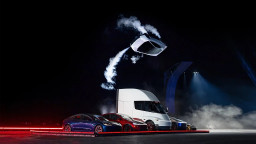
Tesla Roadster: revealed at SpaceX’s McGregor test site in three trims: Performance, Thrust and Rocket. Tesla quotes 300+ miles of range and 230+ mph, with production in 2028 and no price yet. Sources...Key news for October 15More
Tesla Roadster: revealed at SpaceX’s McGregor test site in three trims: Performance, Thrust and Rocket. Tesla quotes 300+ miles of range and 230+ mph, with production in 2028 and no price yet. Sources disagree on the quickest 0–60 time. Your draft uses Tesla’s “under 0.59 s” for the Rocket, while Electric Cars Report’s headline says 0.81 s, so check before publishing.
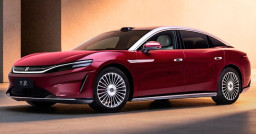
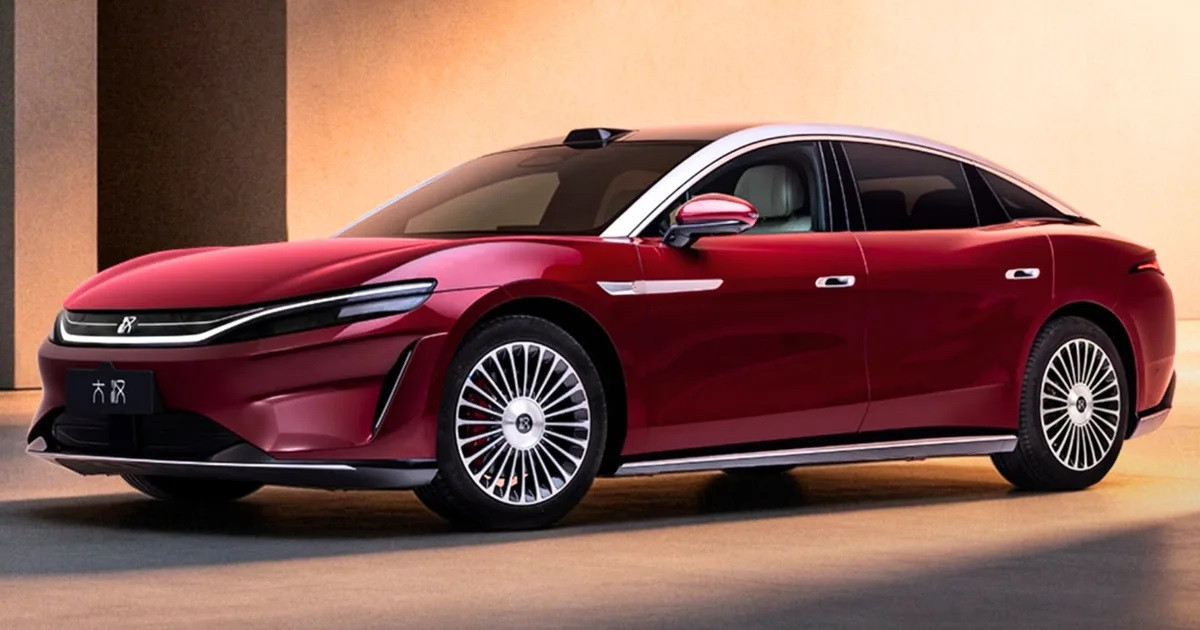
BYD Great Han EV: launched in China from about $35,200. It offers up to 1,008 km (626 mi) CLTC range and 764 hp, and charges from 10% to 97% in nine minutes. This needs a new database entry.
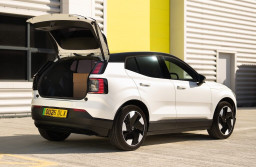
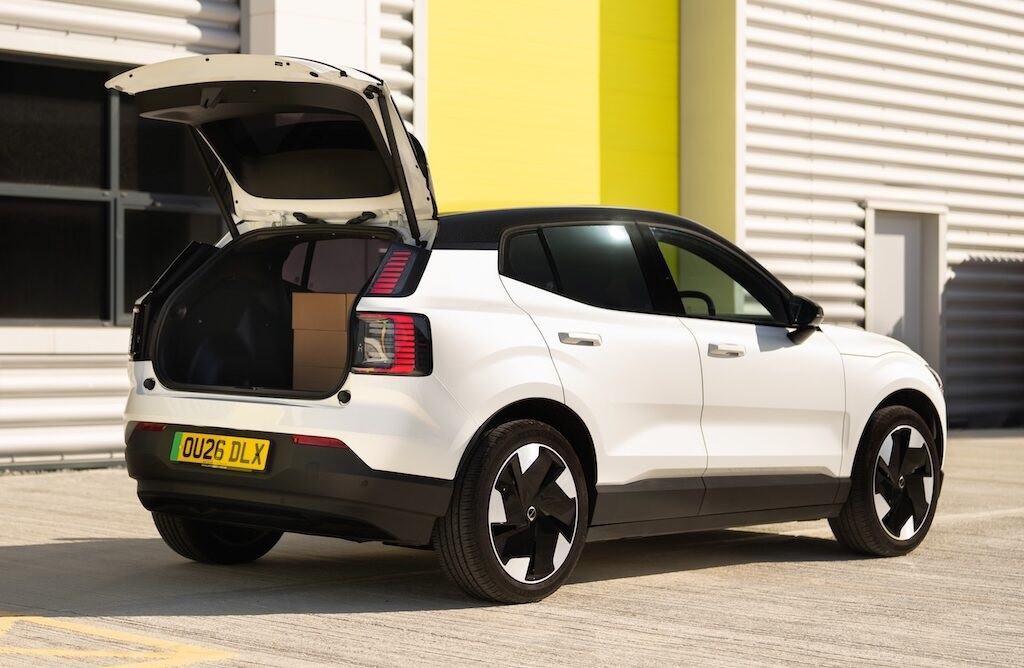
Volvo EX30 Cargo: qualifies for the UK’s £2,500 electric van grant, bringing it to £33,529, with up to 1,000 litres of cargo space.
BYD Shark: the plug-in hybrid pickup earned five stars from Euro NCAP, with 82% for adult occupants and 87% for Safety Assist. It’s BYD’s ninth five-star model in Europe.
iCAUR V27: this SUV is confirmed for the UK in 2027.
Market data
China: new energy vehicles reached a record 67% of retail sales in September, while combustion-car sales collapsed.
US: battery-electric sales fell 39.5% in Q3, against a year-ago quarter boosted by the tax credit. Tesla’s share rose to 54.9%.
Japan: the ¥110 billion EV subsidy budget is almost used up.
Europe jobs: Chinese carmakers such as BYD plan to employ more than 40,000 people in Europe by 2030. The European Commission’s coming local-content rules will decide whether those jobs build cells and components or just assemble kits from China.
Batteries and charging
BMW: Gen6 battery production has started in Shenyang for China-built Neue Klasse models. This is the follow-on to the Irlbach-Straßkirchen plant opening.
Rivian and Redwood Materials: the two companies are expanding their partnership to battery recycling and mineral recovery, plus second-life battery storage at Rivian’s Illinois factory.
Renault and EDF: they’ll launch smart and bidirectional home charging in France, aiming to cut drivers’ electricity bills by summer 2027.
Battery startups and awards: Holyvolt raised $45M for AI-driven battery materials discovery, and Honda’s swappable battery won a Battery Show award.
Robotaxis and autonomy
Tesla: NHTSA has opened a file on claims that Tesla robotaxis speed through school zones.
Uber: it’s reorganising its robotaxi unit around operations after losing its key dealmakers.
Waymo: it’s moving towards competing with Uber through its own app.
XPeng: public sign-ups are open for its Yoyo robotaxi, with partners running the fleets.
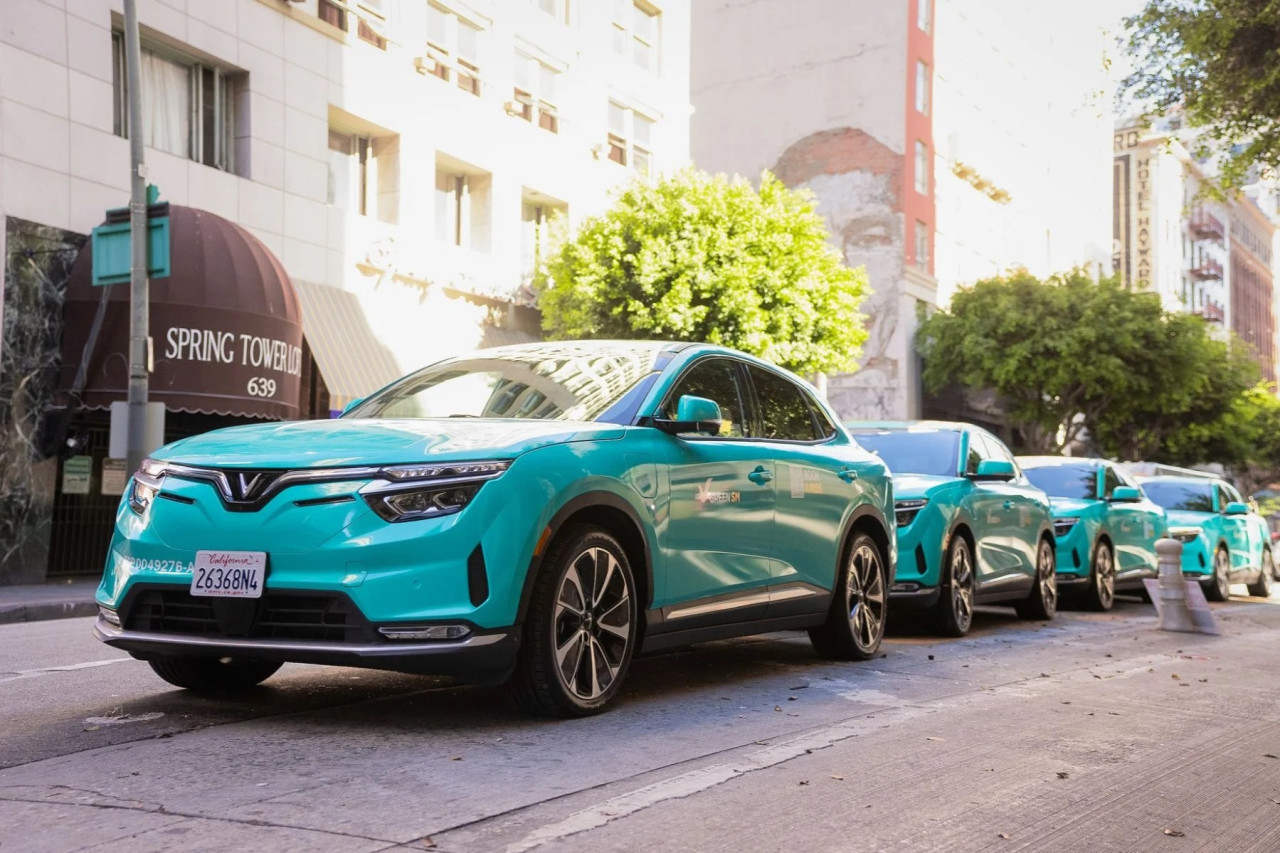
Green SM: it has launched an electric taxi service in Los Angeles.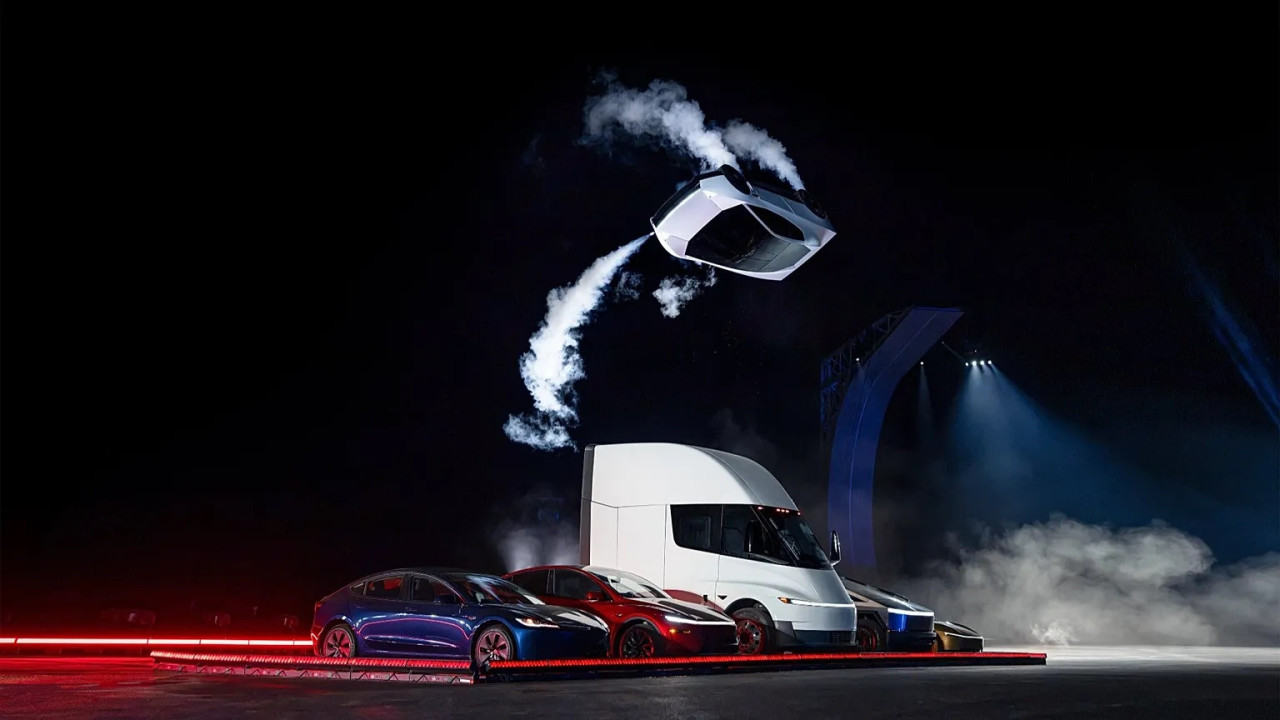
 Post is under moderationStream item published successfully. Item will now be visible on your stream.
 -
Stream item published successfully. Item will now be visible on your stream.
-
Stream item published successfully. Item will now be visible on your stream.
-
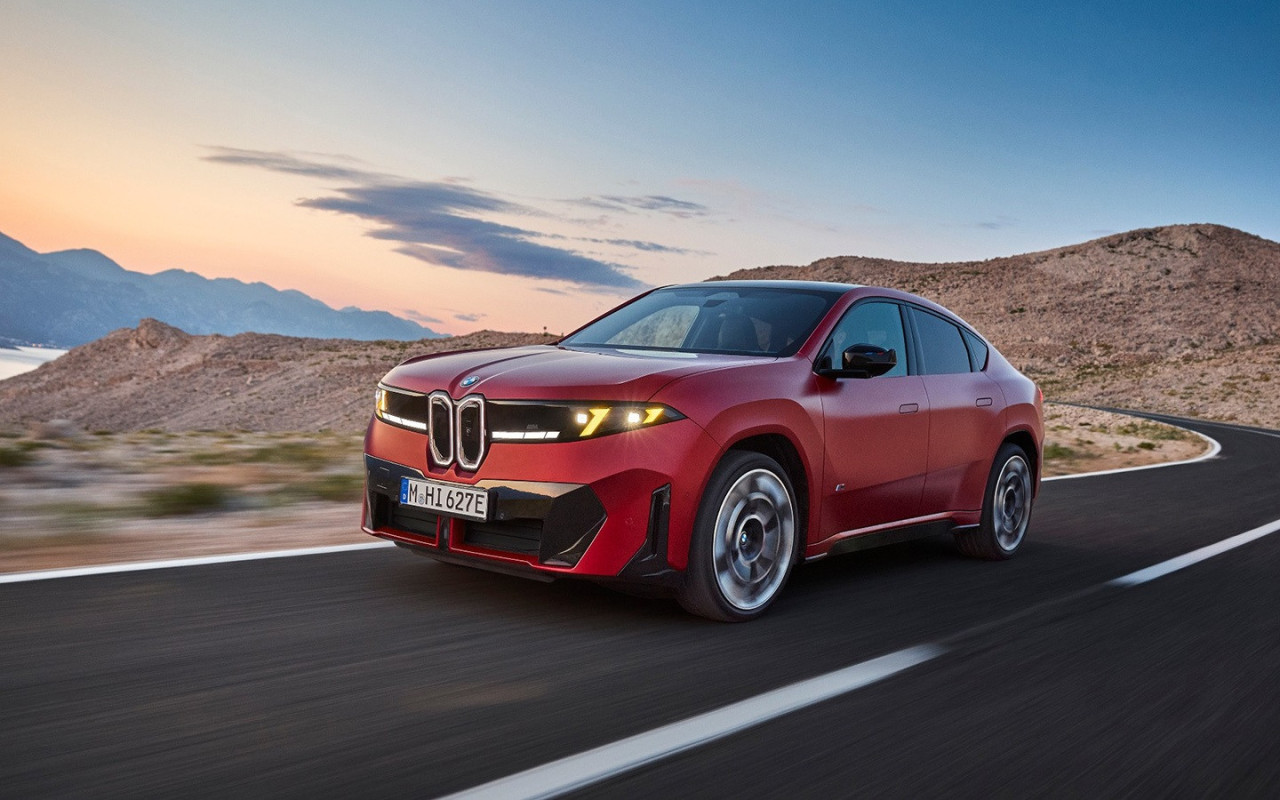
BMW iX4 revealed (Oct 8). It goes on sale in the US in March 2027 as the iX4 50 xDrive at $66,200 before the $1,495 destination fee, with a range-topping M60 xDrive following shortly after. The range figures differ by test cycle. BMW quotes an...BMW iX4 revealed (Oct 8). It goes on sale in the US in March 2027 as the iX4 50 xDrive at $66,200 before the $1,495 destination fee, with a range-topping M60 xDrive following shortly after. The range figures differ by test cycle. BMW quotes an estimated US range of up to 428 miles from a 112.2 kWh battery, while the UK-spec 50 has a 108.7 kWh battery rated at 514 miles WLTP.More
BMW iX3 M60 launched alongside it. It should still return up to 468 miles, and its 400 kW maximum charge speed adds up to 211 miles in ten minutes.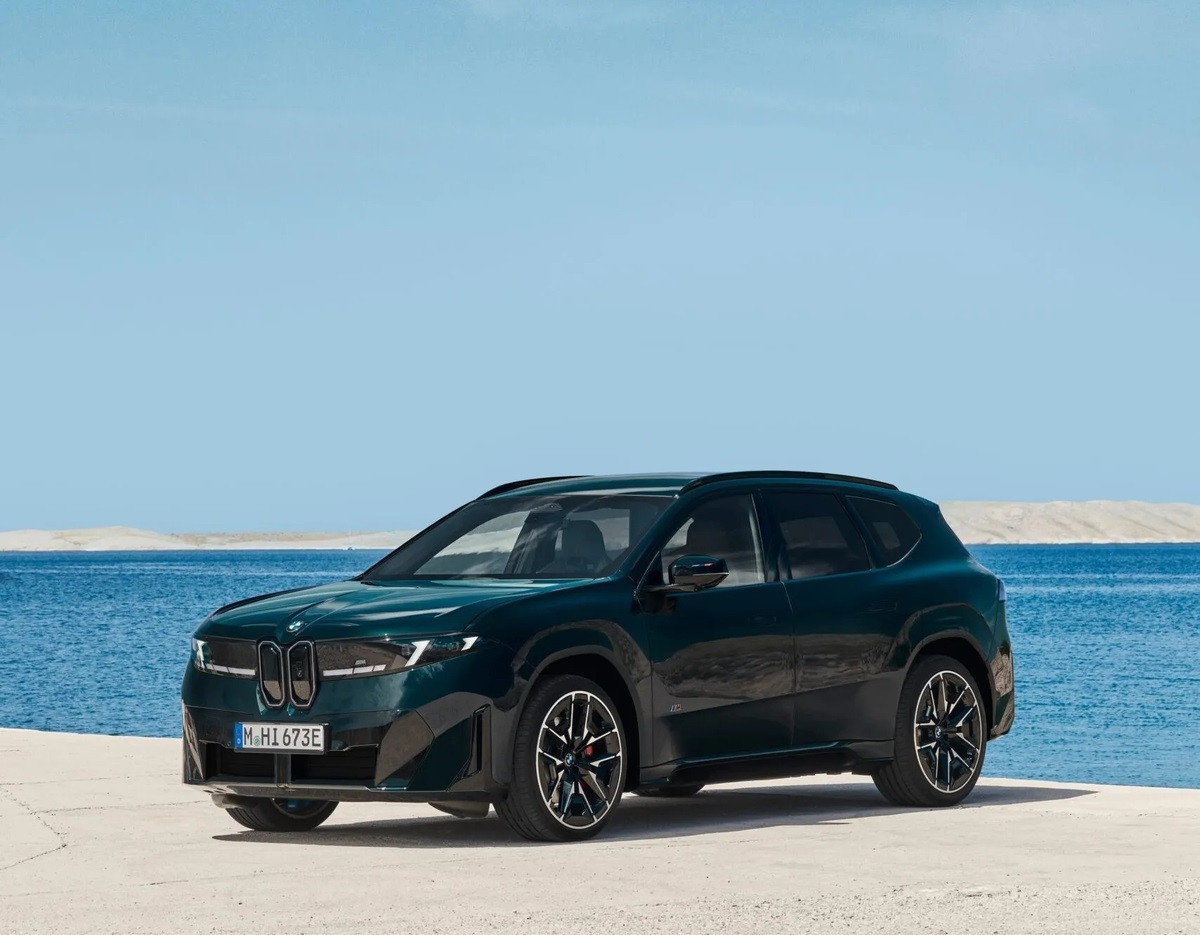
 Post is under moderationStream item published successfully. Item will now be visible on your stream.
 -
One day after opening its first East Coast Megacharger in Conley, Georgia, Tesla opened another in the state at a Pilot travel center in Ellabell, near Savannah. It is the first site under the Tesla–Pilot partnership and has six stalls.
Pilot...One day after opening its first East Coast Megacharger in Conley, Georgia, Tesla opened another in the state at a Pilot travel center in Ellabell, near Savannah. It is the first site under the Tesla–Pilot partnership and has six stalls.More
Pilot says 12 more heavy-duty sites are under construction. The next was scheduled to open October 9 at a Flying J in Tulare, California. Each stall delivers up to 1.2 MW, which lets a Semi recover about 60% of its charge in 30 minutes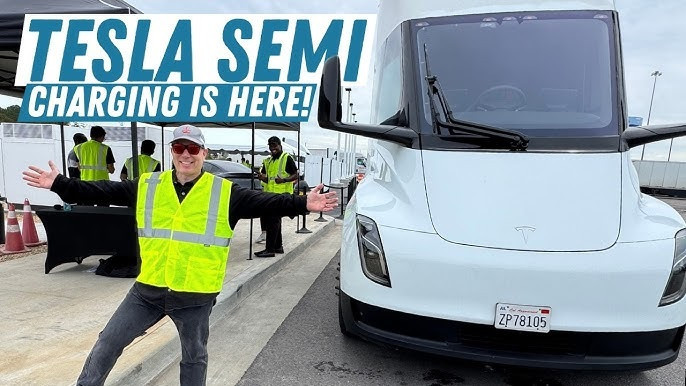 Post is under moderationStream item published successfully. Item will now be visible on your stream.
 -
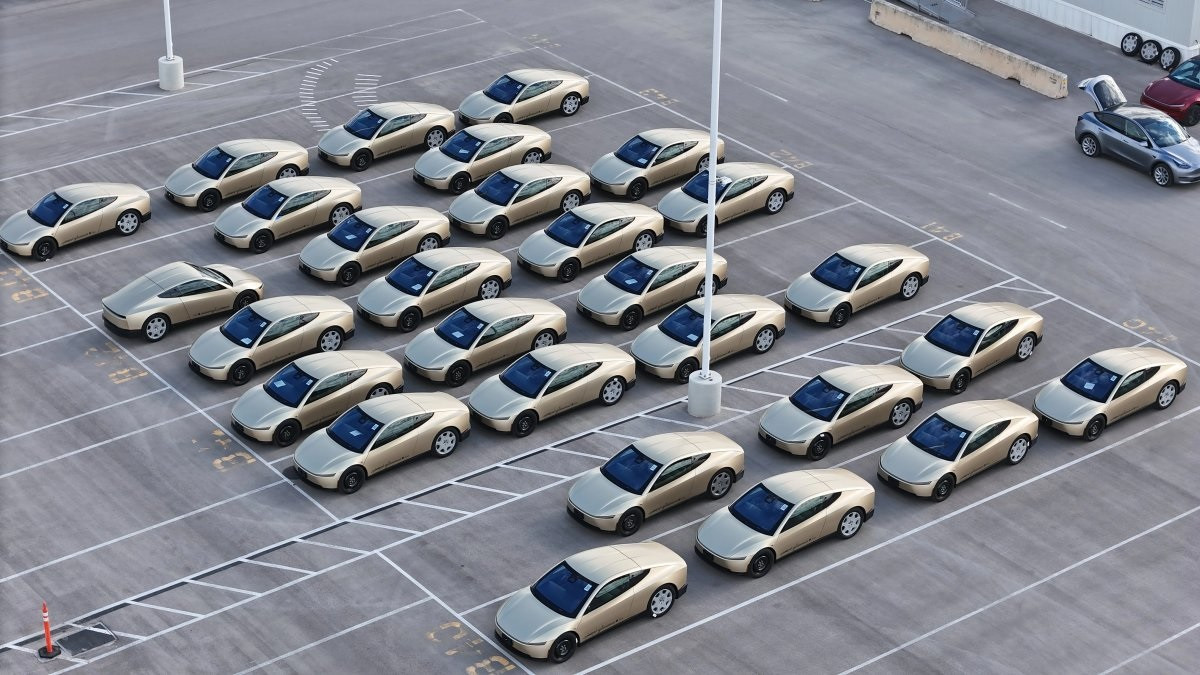
Cybercab fleet keeps growing. On Oct 9, EVwire reported that Tesla registered a record 150 Cybercabs in Texas, and Cybercabs now make up 43% of its Texas Robotaxi fleet. Regulators are also involved: NHTSA has given Tesla until October 30 to...Cybercab fleet keeps growing. On Oct 9, EVwire reported that Tesla registered a record 150 Cybercabs in Texas, and Cybercabs now make up 43% of its Texas Robotaxi fleet. Regulators are also involved: NHTSA has given Tesla until October 30 to answer its Cybercab FMVSS special order.More
 Post is under moderationStream item published successfully. Item will now be visible on your stream.
 -
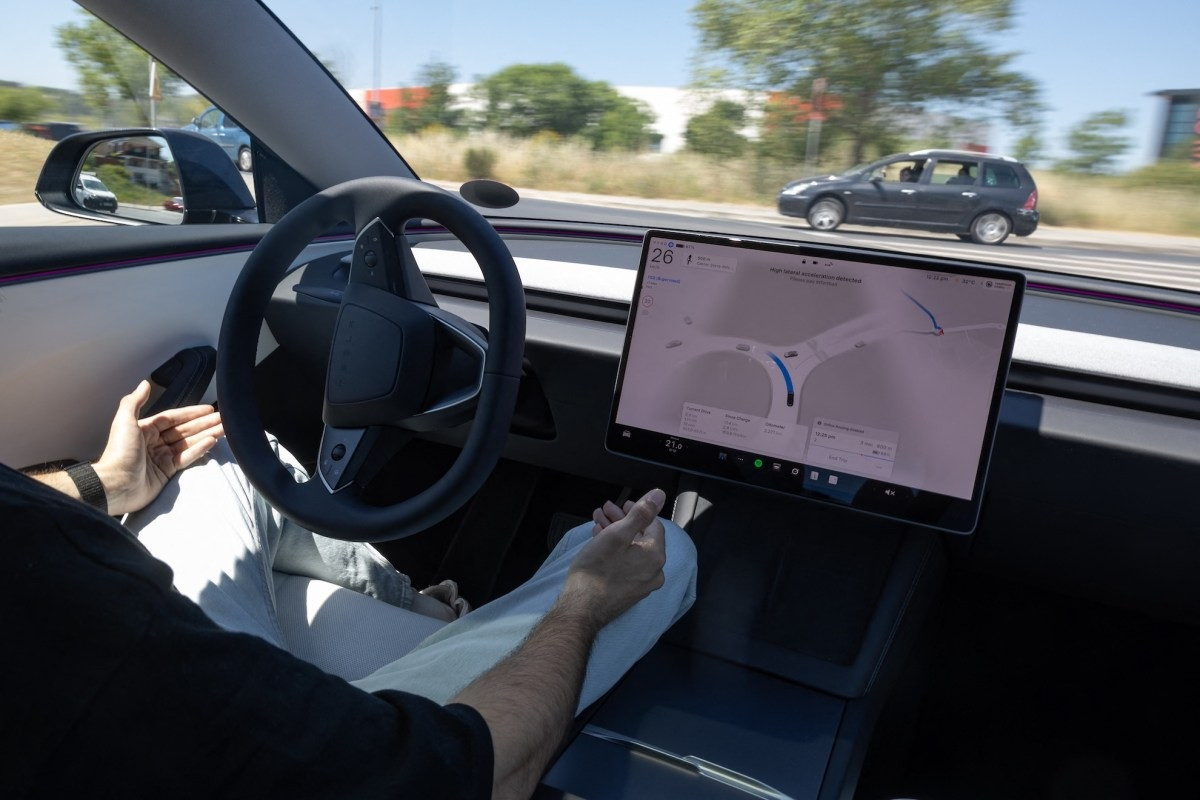
FSD is now “Tesla Assisted Driving” in Europe (Oct 9). Tesla has officially renamed it across the continent, and its European websites now show the new name. The trigger was Germany. Germany’s Transport Ministry revealed Tesla offered the new...FSD is now “Tesla Assisted Driving” in Europe (Oct 9). Tesla has officially renamed it across the continent, and its European websites now show the new name. The trigger was Germany. Germany’s Transport Ministry revealed Tesla offered the new name in talks where both sides agreed the system may drive up to 10 percent over the speed limit. Sweden and France have raised concerns about FSD exceeding speed limits, and an EU vote expected for October has been pushed back to at least December.More
 Post is under moderationStream item published successfully. Item will now be visible on your stream.
 -
Stream item published successfully. Item will now be visible on your stream.
-
Stream item published successfully. Item will now be visible on your stream.
-
Alex Garin reacted to this post about 2 weeks ago
CEER EXOBOT - the New Most Controversial EVs in the World
Ceer, Saudi Arabia's first homegrown car brand, has finally shown its hand. On 21 September 2026, Crown Prince Mohammed bin Salman revealed the EXOBOT sedan and EXOBOT SUV — two wedge-shaped, tri-motor electric flagships with up to 1,111 hp, an...
MoreCeer, Saudi Arabia's first homegrown car brand, has finally shown its hand. On 21 September 2026, Crown Prince Mohammed bin Salman revealed the EXOBOT sedan and EXOBOT SUV — two wedge-shaped, tri-motor electric flagships with up to 1,111 hp, an 800V platform and wing doors nearly three metres long. Sales in the Kingdom are due to start in early 2027.
1,111Peak horsepower, top-spec EXOBOT112 kWhNCM battery in both models670 kmSedan NEDC range estimate2.1 sFastest 0–100 km/h (sedan)Four years in the making
Ceer was set up in 2022 as a joint venture between Saudi Arabia's Public Investment Fund (PIF) and Foxconn, the Taiwanese contract manufacturer best known for assembling iPhones. The name means roughly "drive forward" in Arabic, and the brand sits at the centre of Vision 2030's push to build a domestic automotive industry rather than simply import one.
The EXOBOT pair are Ceer's first production vehicles and will be built at the Ceer Manufacturing Complex in King Abdullah Economic City, which the company describes as the Middle East's largest car plant. They are the first two of seven models planned by 2030, with the later cars expected to move down into compact and midsize segments with a wider mix of powertrains.

Design: a wedge with a message
Nobody will mistake the EXOBOT for anything else on the road. Both body styles share a razor-sharp wedge profile, a thin horizontal light signature and a 2.4-metre windscreen raked at just 15 degrees. Ceer says the shapes draw on desert landscapes and the Nabataean rock architecture of Hegra.
The party piece is the Shahin Wing Doors, named after the falcon. Each door is almost three metres long, swings upward through a compact 60 cm arc and opens both rows at once. The lighting uses 32 elements — a nod to 1932, the year the Kingdom was unified.
These are big cars. Both ride on a 3,200 mm wheelbase and are about 2.1 metres wide, with the sedan stretching to 5.26 metres and the SUV to 5.02 metres.
Powertrain, range and charging
Launch versions — badged First Edition and Plus — use a tri-motor all-wheel-drive setup rated at 850 hp and 1,000 Nm, fed by a 112 kWh NCM battery on an 800V electrical architecture. DC fast charging peaks at 250 kW, good for 10–80% in under 30 minutes, while AC charging runs at 11 kW.
Ceer has also announced a higher-output configuration with 1,111 hp and 1,500 Nm, though it has not yet said which trim will carry it.
EXOBOT sedan vs SUV: key figures
SpecEXOBOT SedanEXOBOT SUVPower / torque (launch)0–100 km/h (850 hp)0–100 km/h (1,111 hp)Top speedRange (NEDC, est.)Length / heightGround clearanceSpecial drive modesBuilt for Gulf roads — and Gulf summers
Both models get dual-chamber air suspension, rear-wheel steering and steer-by-wire operated through a yoke. Ceer says the system cuts lock-to-lock steering input from around 400 degrees to 160.
Heat management gets unusual attention. A Halo Cooling system is claimed to bring a 65 °C cabin down to 32 °C in ten minutes, helped by triple silver-coated glass and cooled storage in the console and boot. The lower door glass can switch between clear and opaque at the press of a button.
Cabin tech highlights
- Main display: 48-inch 8K pillar-to-pillar "Digital Horizon" screen
- Controls: 10.4-inch central touchscreen, 8-inch rear display, physical keys for gear, climate and volume
- Assistant: Arabic and English voice control, 3D navigation with EV route planning
- Comfort: four-zone climate, ventilated front and rear seats, fragrance system
- Safety: seven airbags, AEB, adaptive cruise with lane centring, surround-view cameras, remote parking
- Coming via OTA by 2028: automatic lane changes, Highway and Traffic Jam Pilot, Navigate on Pilot
First Edition, warranty and timing
The range opens with the EXOBOT First Edition, finished in Harrat Grey or White Musk with black detailing, red calipers and a black-and-red Nappa cabin. Each car carries a numbered plaque tied to its VIN. The more configurable EXOBOT Plus follows.
Ownership terms are generous: a six-year/200,000 km vehicle warranty, eight-year/200,000 km battery cover, six years of servicing and roadside assistance, plus up to SAR 2,000 towards a home charger. Pricing has not been announced. Saudi deliveries are expected from early 2027, with neighbouring markets following from 2028. There is no word on Europe or the US.
Why it matters
For the Gulf, the EXOBOT is as much an industrial statement as a car. Ceer is targeting 45% locally sourced materials by 2034, and its success will be a test of whether sovereign money and Foxconn's manufacturing know-how can create a credible new automaker from scratch — something Western startups have found brutally hard.
Ceer has opened with a halo car rather than a volume seller. The EXOBOT proves Saudi Arabia can design something bold; the harder test comes when the compact models arrive and have to compete on price with BYD, Geely and the rest of a crowded Gulf EV market.
Frequently asked questions
- What is the Ceer EXOBOT?
The EXOBOT is Ceer's first production model line, offered as a fully electric sedan and SUV. They are the first cars from Saudi Arabia's national automotive brand, a PIF–Foxconn joint venture founded in 2022.
- How much range does the Ceer EXOBOT have?
Ceer estimates up to 670 km for the sedan and 560 km for the SUV on the NEDC cycle, both from a 112 kWh battery. Expect noticeably less in real-world driving, especially at high speed and in extreme heat.
- How powerful is the EXOBOT?
Launch versions produce 850 hp and 1,000 Nm from three motors. A higher-output version delivers 1,111 hp and 1,500 Nm, enabling 0–100 km/h in 2.1 seconds for the sedan.
- When can you buy a Ceer EXOBOT?
Sales in Saudi Arabia are planned for early 2027, with expansion to other regional markets from 2028. Prices have not yet been published.
- Where is the EXOBOT built?
At the Ceer Manufacturing Complex in King Abdullah Economic City, Saudi Arabia.
SourcesDubiCars — Full launch specifications, trims, warranty and market timing, 23 September 2026. dubicars.com ↗Post is under moderationStream item published successfully. Item will now be visible on your stream. -
Alex Garin reacted to this post about 2 weeks agoNews digest for the past week.
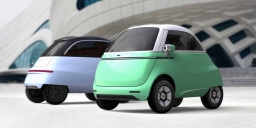
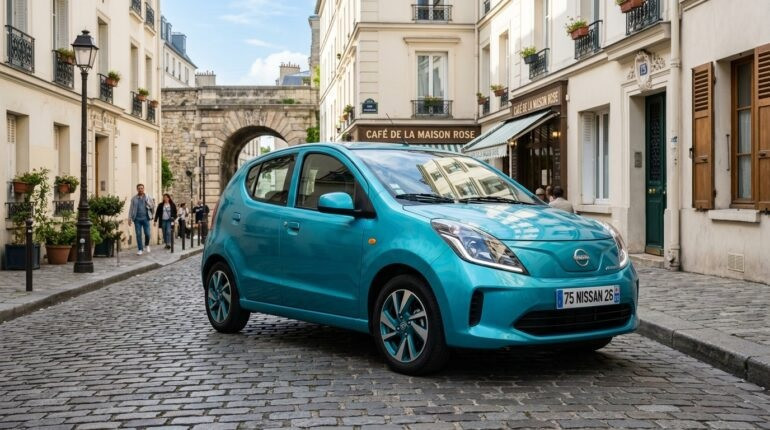
1. Nissan revealed the Pixo, a sub-£20k Twingo-based city EV with about 161 miles of range.
2. Renault kept 2027 5 E-Tech pricing unchanged while adding range (up to 259 miles WLTP) and software.
3. Rivian said the...News digest for the past week.More
1. Nissan revealed the Pixo, a sub-£20k Twingo-based city EV with about 161 miles of range.
2. Renault kept 2027 5 E-Tech pricing unchanged while adding range (up to 259 miles WLTP) and software.
3. Rivian said the R3 will be “materially” cheaper than the R2, with an even lower-priced R4 later.
4.Tesla reopened $50,000 refundable Roadster reservations ahead of the October 1 unveil.
5.XPeng showed the G9L flagship SUV; Saudi Arabia’s Ceer launched the Exobot sedan and SUV.
6.VW’s ID. Polo won the German Car of the Year budget category.
7.California signed six bills to speed charging and EV uptake.
8.Lucid agreed to supply Bolt with 25,000 Cosmos-based Level 4 robotaxis for Europe.
9. Royal Enfield’s Flying Flea C6 went on sale in Europe and the UK with Western pricing.
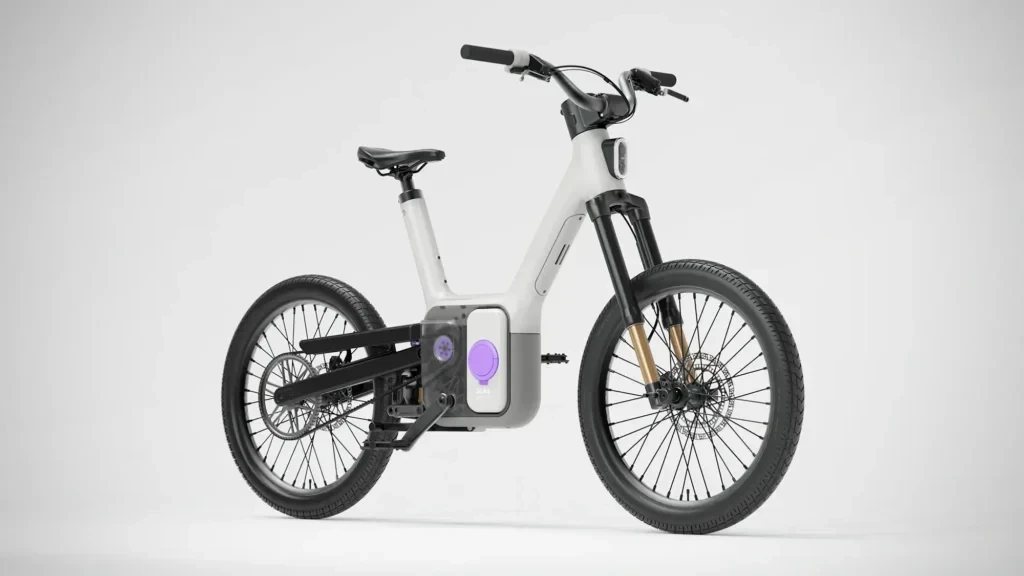
10. Honda unveiled an electric mountain bike.
11. Stark released the limited blacked-out VARG SM Sköll supermoto.
12. Rivian spin-off ALSO put TM-B e-bikes on a U.S. tour rather than fulfilling early customer orders.
13. Tesla added an in-car Grok Bot assistant.
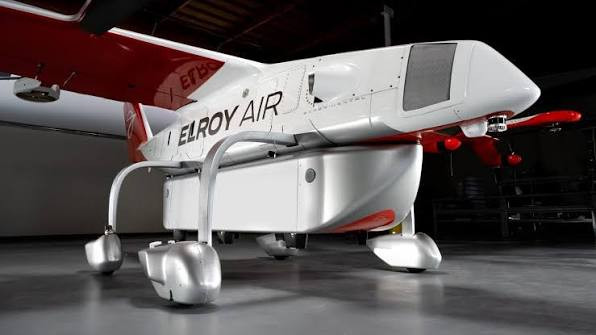
14. Joby’s converted J208 Cessna Caravan finished a 3,199-mile U.S. transcontinental flight with no onboard pilot inputs.
15, China’s VOLANT and Indonesia’s WhiteSky agreed a VE25-100 market-entry plan.
16. Waymo named Singapore as its next international market, added teen accounts in Nashville, and restated a 2027 Japan launch.
17. Tesla started a Cybercab showcase tour in Australia (Sydney from September 21), separate from a local robotaxi launch.
18. Lucid’s Bolt deal became the week’s largest European robotaxi hardware commitment.
19. CATL unveiled Tectrans II for trucks and buses: up to 1,000 km range, 80% charge in about 25 minutes on megawatt charging, ~170 Wh/kg, and a claimed 12-year / 1.5 million km life with swap-or-charge flexibility.
20. MAN and Scania both claimed up to about 720 km on new long-haul battery configurations, Renault cited 660 km;
21. Volvo showed an FH Electric for combinations up to 80 tonnes.
22. Tesla detailed a European Semi and won a 2,500-truck U.S. order through the ZET SCALE shipper alliance—enough to nearly double the U.S. Class 8 battery-electric fleet.
23. BYD brought the ETT 44 tractor to Europe.
24. India’s JSW launched the Ampstar electric bus and truck brand.
25. Iveco showed the eFLEXY electric minibus at FIAA in Madrid.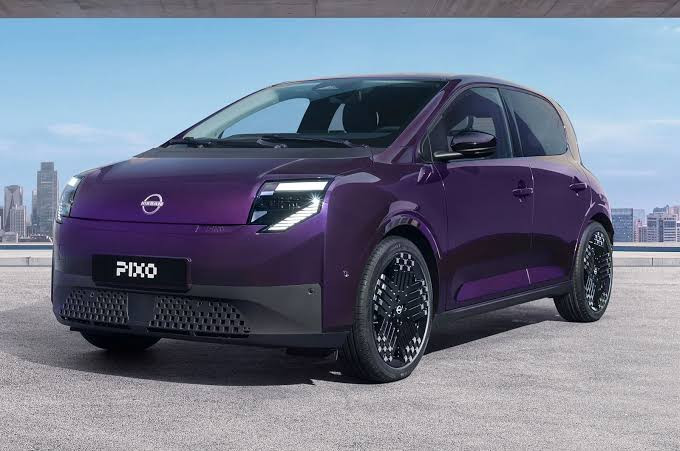
 Post is under moderationStream item published successfully. Item will now be visible on your stream.
 -
Alex Garin reacted to this post about 3 weeks agoChina’s humanoid robot landscape is getting crowded fast.
This September 2026 map from KeyResearch lists
• 100 humanoid robot models and platforms
• 44 manufacturers
• AGIBOT alone appears with A2 Lite, A2 Ultra, A2-W, A3, G1, G2, X1 and X2
•...China’s humanoid robot landscape is getting crowded fast.More
This September 2026 map from KeyResearch lists
• 100 humanoid robot models and platforms
• 44 manufacturers
• AGIBOT alone appears with A2 Lite, A2 Ultra, A2-W, A3, G1, G2, X1 and X2
• Unitree is represented by G1, G1-D, H1, H1-2, H2, H2-D and R1
• UBTECH has multiple Walker variants plus Cruzr models
• LimX Dynamics, Fourier, EngineAI, Leju Robotics, Booster Robotics, Galbot, Pudu Robotics and XPENG are also in the lineup
• Designs range from full biped humanoids to wheeled humanoid platforms
The number of companies already building several robot models instead of betting on one machine.
China now has a very dense humanoid robotics ecosystem to follow.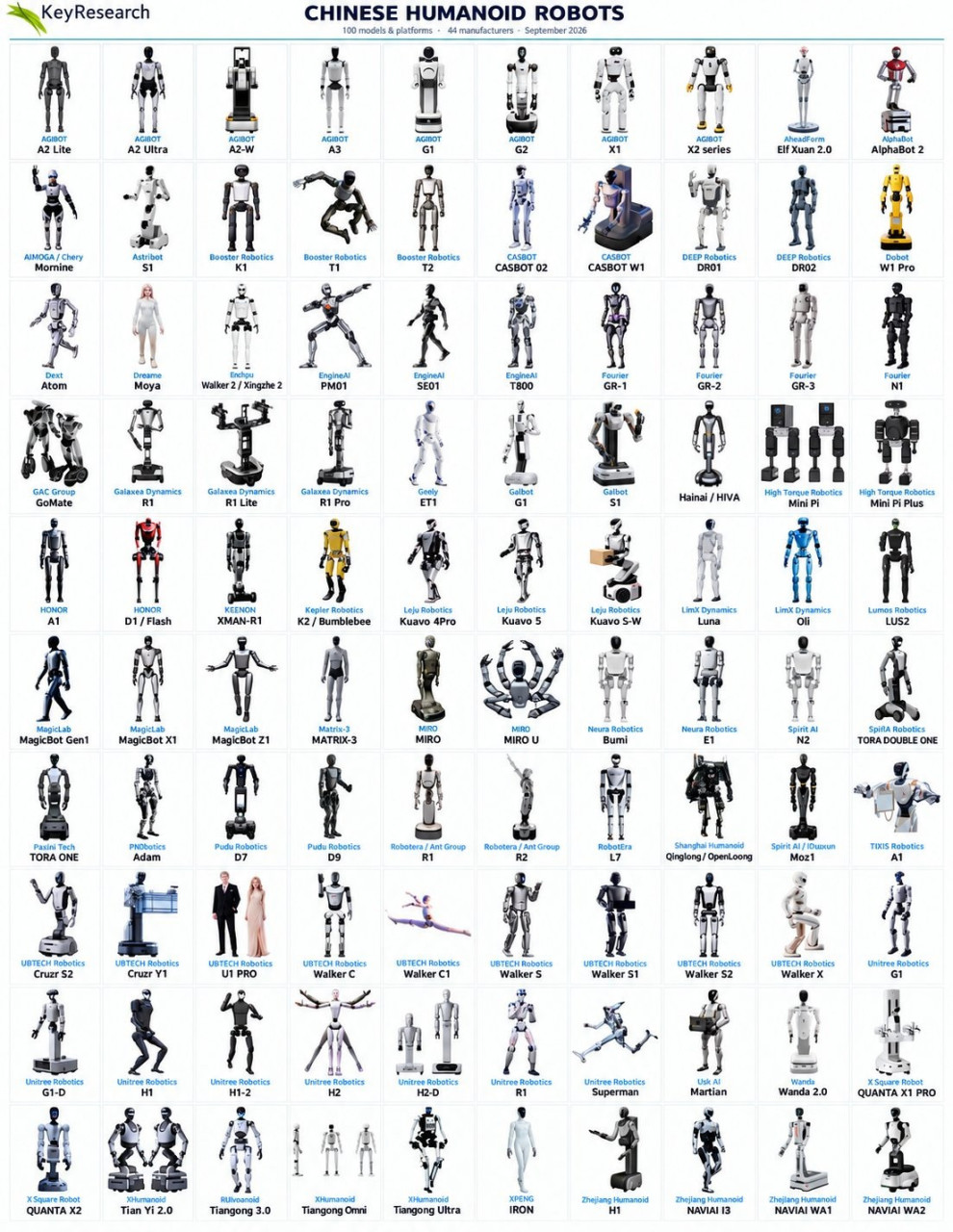 Post is under moderationStream item published successfully. Item will now be visible on your stream.
 -
Alex Garin reacted to this post about 3 weeks agoThe @Tesla_Semi
can hit 60 mph fully loaded in about the same time as a diesel Semi with no trailer.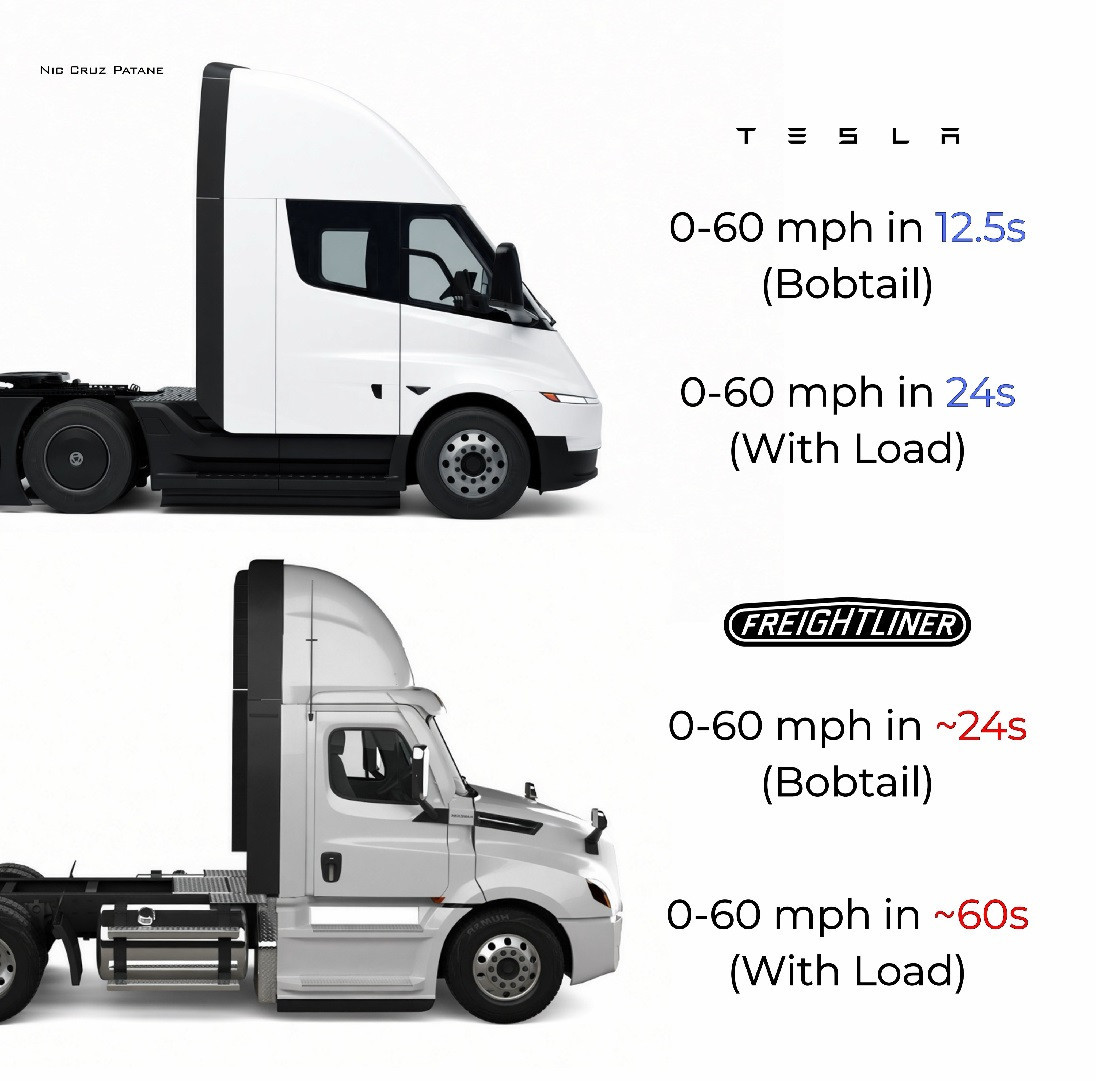 Post is under moderationStream item published successfully. Item will now be visible on your stream.
 -
Alex Garin reacted to this post about 3 weeks agoThe Robotics family keeps growing bigger
who will be the first to achieve full human replacement? time will tell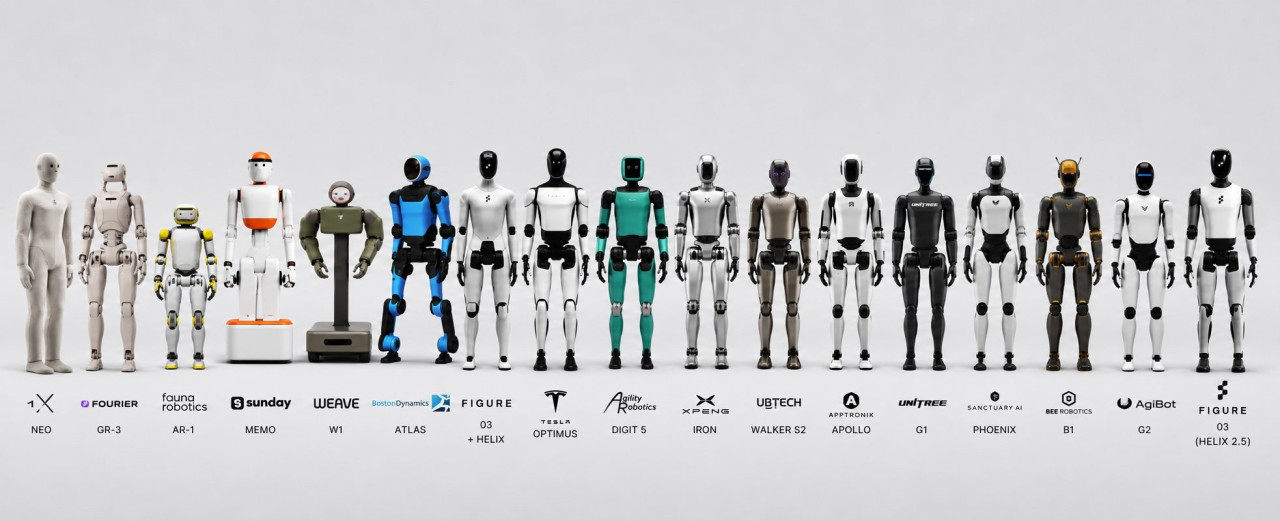 Post is under moderationStream item published successfully. Item will now be visible on your stream.
 -
Stream item published successfully. Item will now be visible on your stream.
-
Stream item published successfully. Item will now be visible on your stream.
-
Stream item published successfully. Item will now be visible on your stream.
-
Electric trucks last news.
Electric trucks and buses pointed toward IAA Transportation (September 15–20) and early fleet moves.
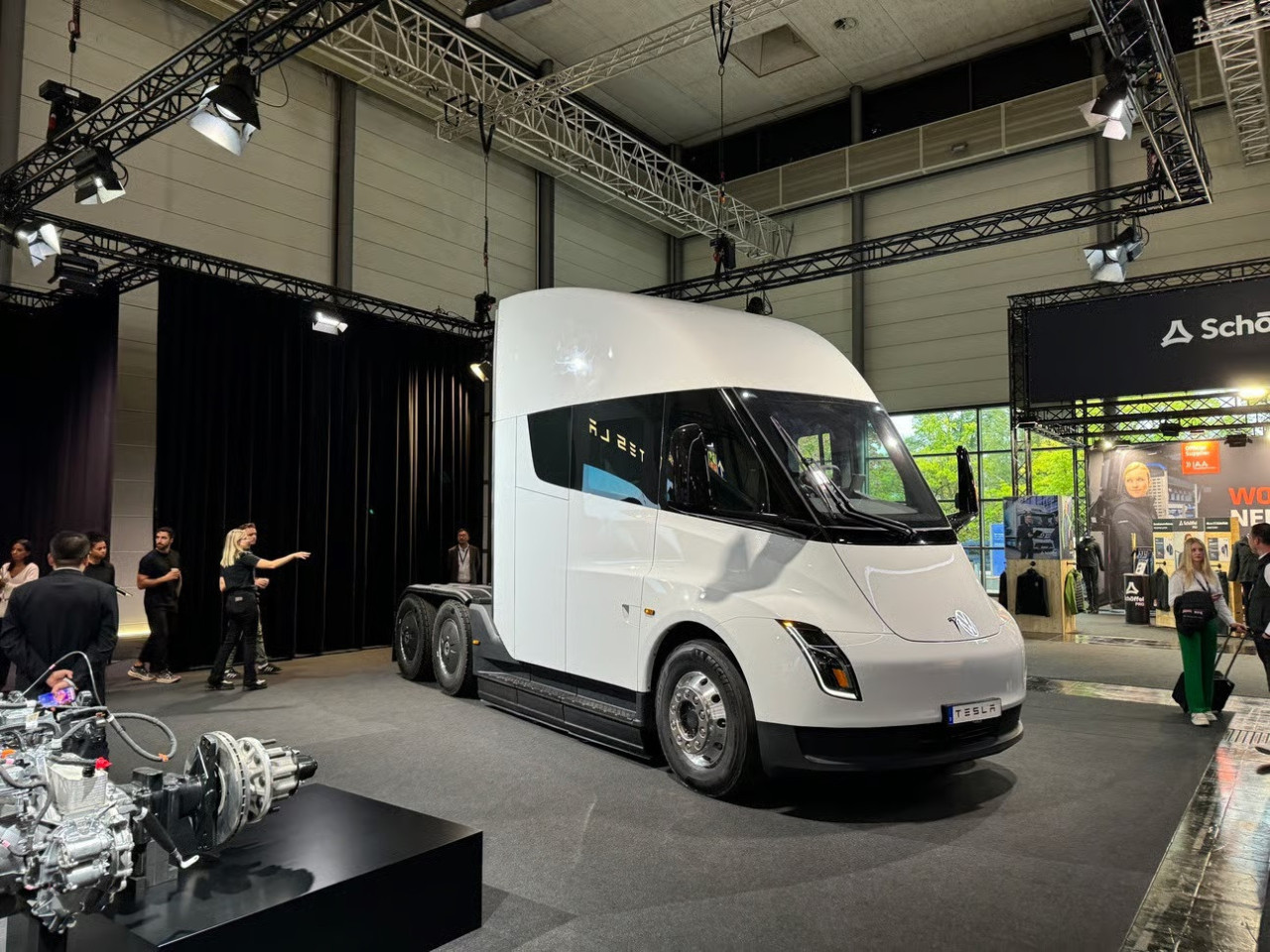
Tesla confirmed the Semi is coming to Europe, revealing specs September 11 ahead...Electric trucks last news.More
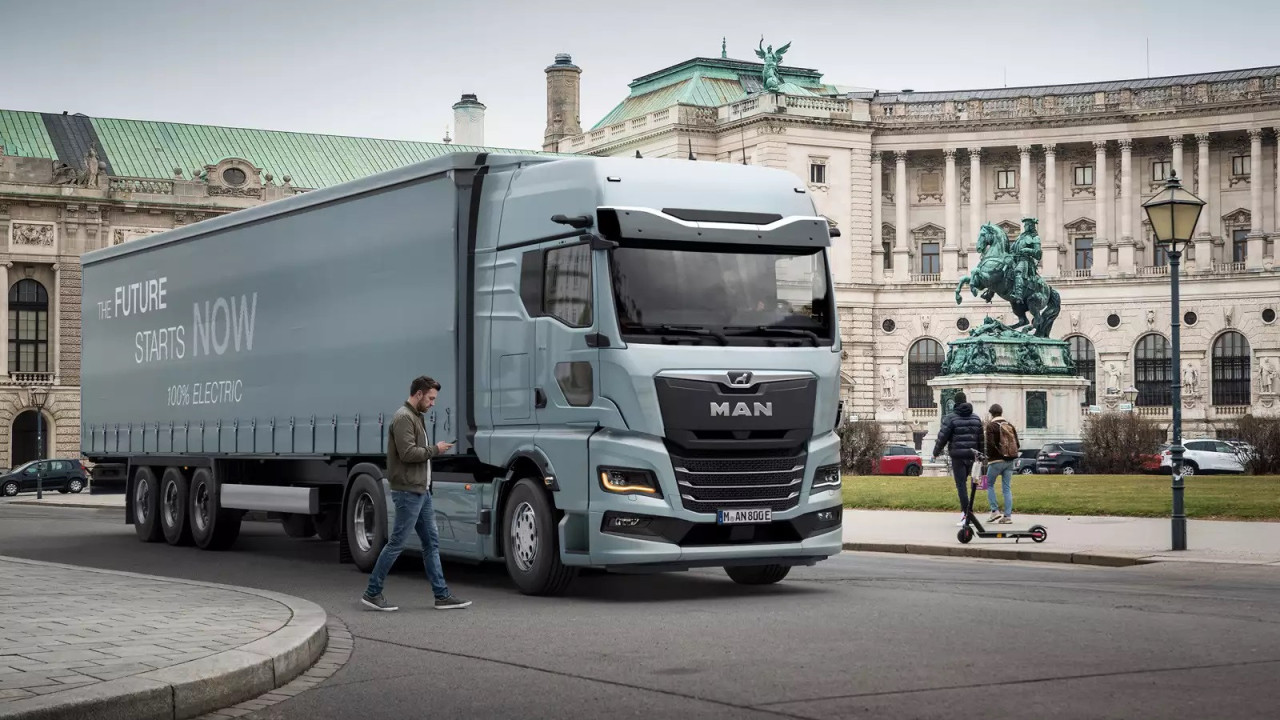
Electric trucks and buses pointed toward IAA Transportation (September 15–20) and early fleet moves.
Tesla confirmed the Semi is coming to Europe, revealing specs September 11 ahead of a full IAA Transportation reveal in Hannover (Sept 15-20): up to 550 km range at 40 tonnes, 800 kW Megacharger peak power, European deliveries starting 2027.
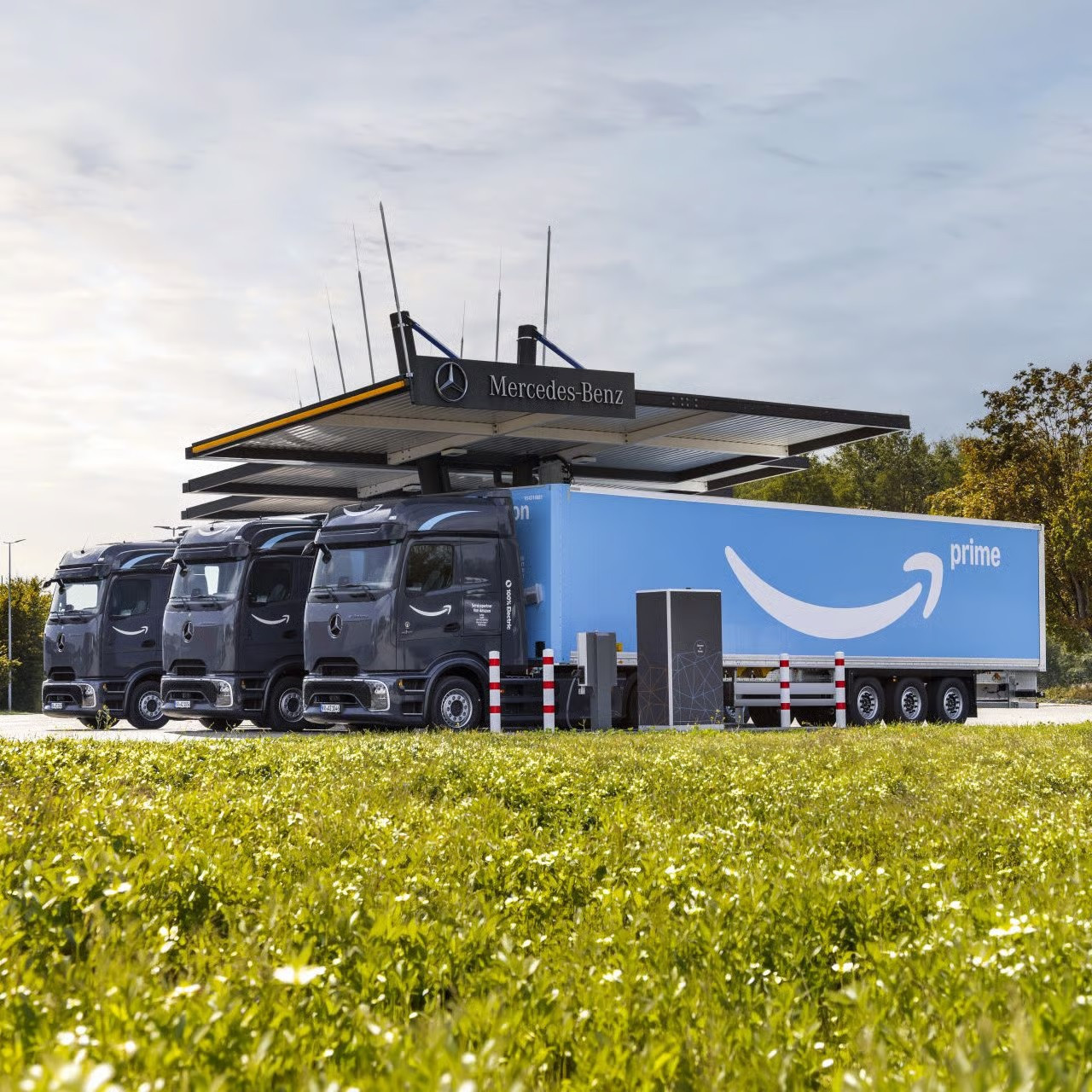
Amazon began receiving Mercedes-Benz eActros 600 trucks in Germany and planned 50 units before year-end; Einride ordered 500 Tesla Semis for North American operations.
MAN published a report arguing early depot-charged electric trucks can deliver up to a 13% TCO advantage.
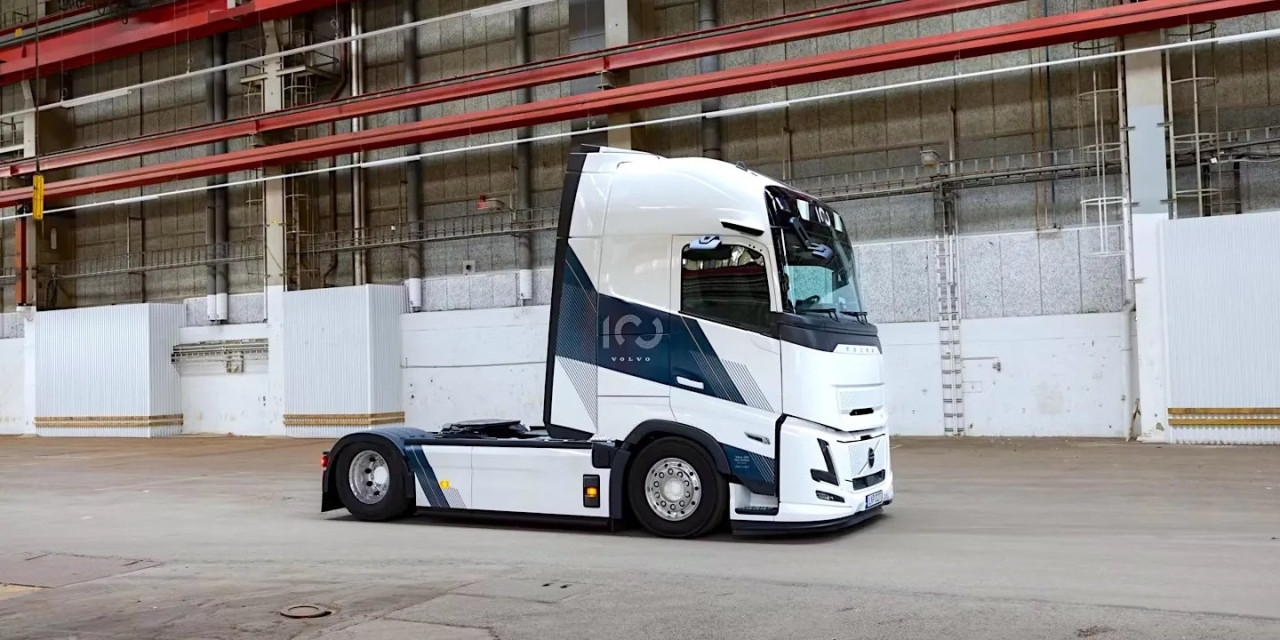
Volvo marked its centenary with a special-edition FH16 Electric.
CATL and Octopus Energy are forming a 50-50 joint venture to build a heavy-truck battery swap network in Europe, targeting UK pilot stations by 2027 and 30+ sites by 2035.
JAC Motors showed a four-model electric commercial lineup at IAA Transportation, including the N90 EV and N42 EV light trucks and a Sunray Pro electric van.
 Post is under moderationStream item published successfully. Item will now be visible on your stream.
 -
Electric cars saw product and regulatory headlines.
Tesla set an October 1 reveal for its long-delayed next-generation Roadster and put Cybercabs on the road in Austin, prompting an NHTSA audit over the lack of steering wheel and...Electric cars saw product and regulatory headlines.More
Tesla set an October 1 reveal for its long-delayed next-generation Roadster and put Cybercabs on the road in Austin, prompting an NHTSA audit over the lack of steering wheel and conventional controls.
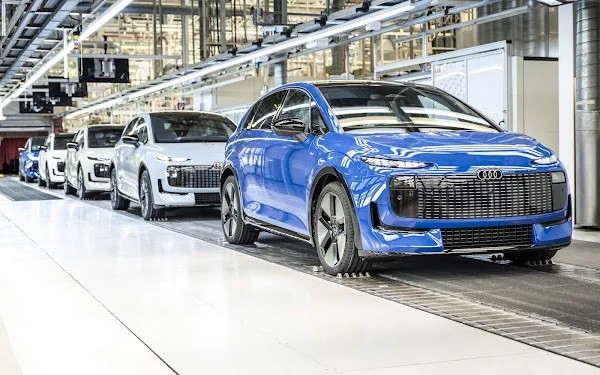
Audi began A2 e-tron production in Ingolstadt after slashing development time by 21 months.
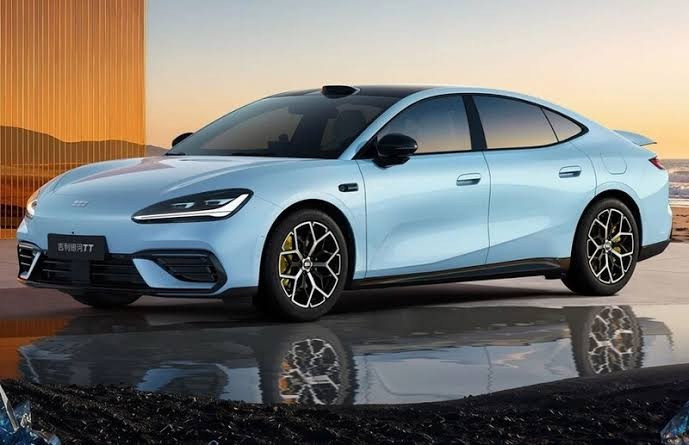
Geely launched the TT sports sedan in China with 800V charging and LiDAR.
Nissan named its upcoming European city EV the PIXO, with a reveal slated for September 23.
Affordable models such as GAC’s AION UT arrived in the UK with promotional financing.
Nio's Firefly brand passed 80,000 deliveries in under 500 days.
BYD prepares a Malaysia production plan.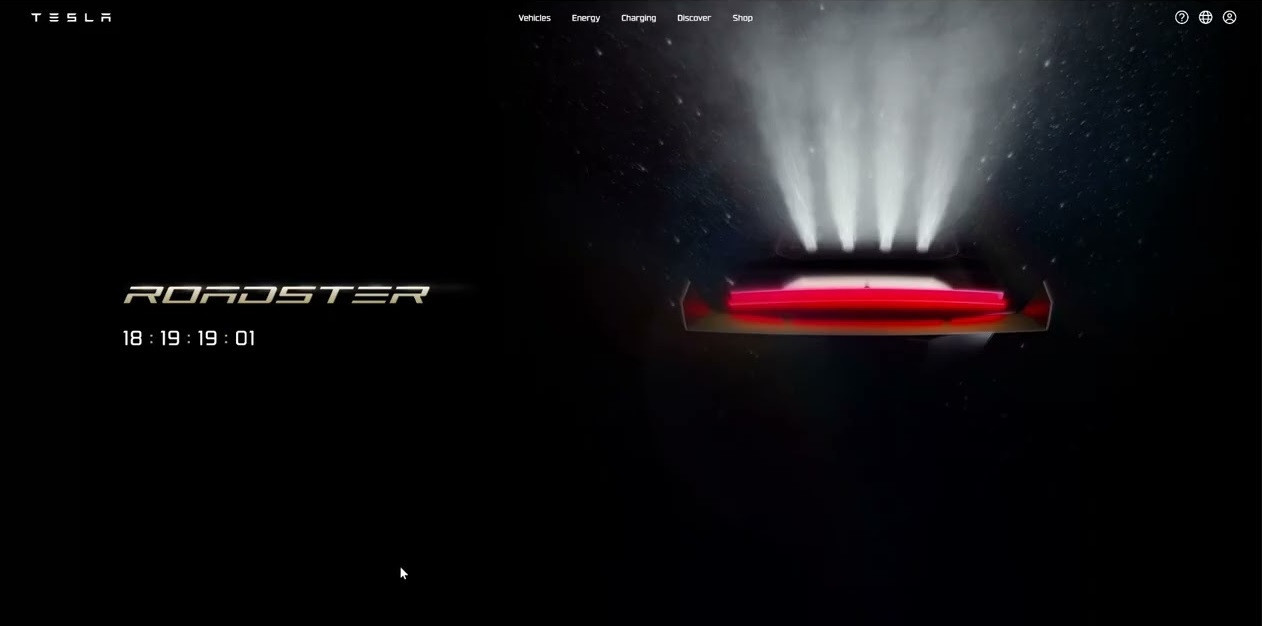
 Post is under moderationStream item published successfully. Item will now be visible on your stream.