
Your no-nonsense guide to the standouts
Executive Summary - Key Findings
- 30+ new or updated EV models are expected in the U.S. in 2026, spanning luxury SUVs to budget pickups, with prices starting as low as the mid-$20,000s.
- Range anxiety is shrinking fast: The BMW iX3 targets up to 400 miles (644 km), while the Rivian R2 promises 300+ miles (483+ km), both with NACS fast-charging support.
- Federal incentives have shifted, pushing automakers to compete on real-world value rather than subsidy-padded sticker prices.
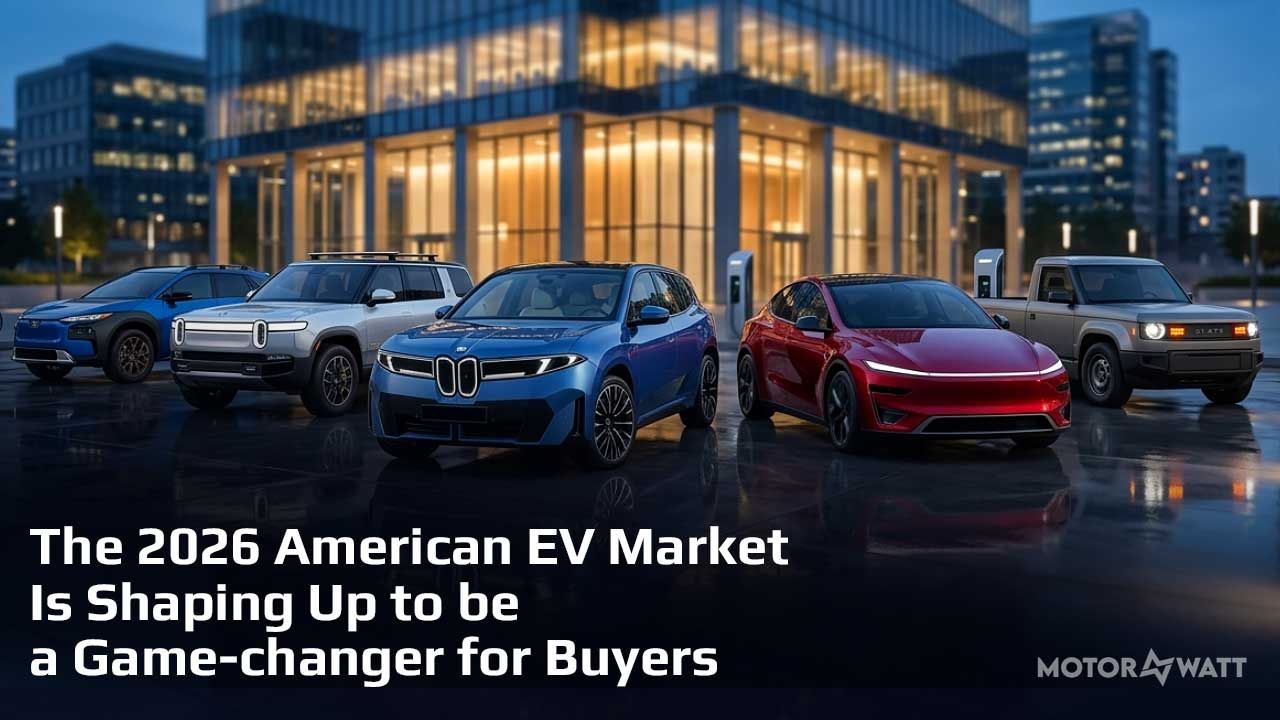
- Four models stand out right now: BMW iX3, Rivian R2, Slate Truck, and Subaru Trailseeker.
Table of Contents
- Why 2026 Is Different for American EV Buyers
- BMW iX3 (2026): Luxury Meets Real-World Range
- Rivian R2: The Mainstream Adventure Crossover
- Slate Truck: Can an EV Pickup Cost Under $30K?
- Subaru Trailseeker: The AWD Family EV for All Weather
- Side-by-Side Comparison: All 4 Models
- What About Charging in 2026?
- 7 Smart Tips Before You Buy a 2026 EV
- 2026-2027 EV Market Outlook
- FAQ: Your Top Questions Answered
Why Is 2026 Different for American EV Buyers?
Let's be real - the EV market has had a rocky few years in the U.S. High sticker prices, uneven charging infrastructure, and iffy real-world range left a lot of buyers firmly on the sidelines. But 2026 is shaping up to be genuinely different, and here's why that matters.
According to industry analyst forecasts, more than 30 new or significantly updated electric models are expected to reach American showrooms in 2026 alone. That kind of volume creates real competition, and competition means better pricing, better tech, and better deals for shoppers.
The shift in federal incentives has forced automakers to price cars on their own merits rather than leaning on subsidy math. Rivian, BMW, Subaru, and new players like Slate Auto are responding with vehicles engineered around what American families and commuters actually need.
Context check: With federal EV tax credits phased out or restructured under current policy, automakers must compete on price alone. Battery pack costs have fallen to approximately $110 per kWh, enabling mass-market EVs that were impossible just a few years ago.
Lower is better. Slate Truck is the budget benchmark; BMW iX3 is the premium outlier.
BMW iX3 (2026): Does Luxury Still Make Sense in an EV?
BMW iX3 (2026) - xDrive
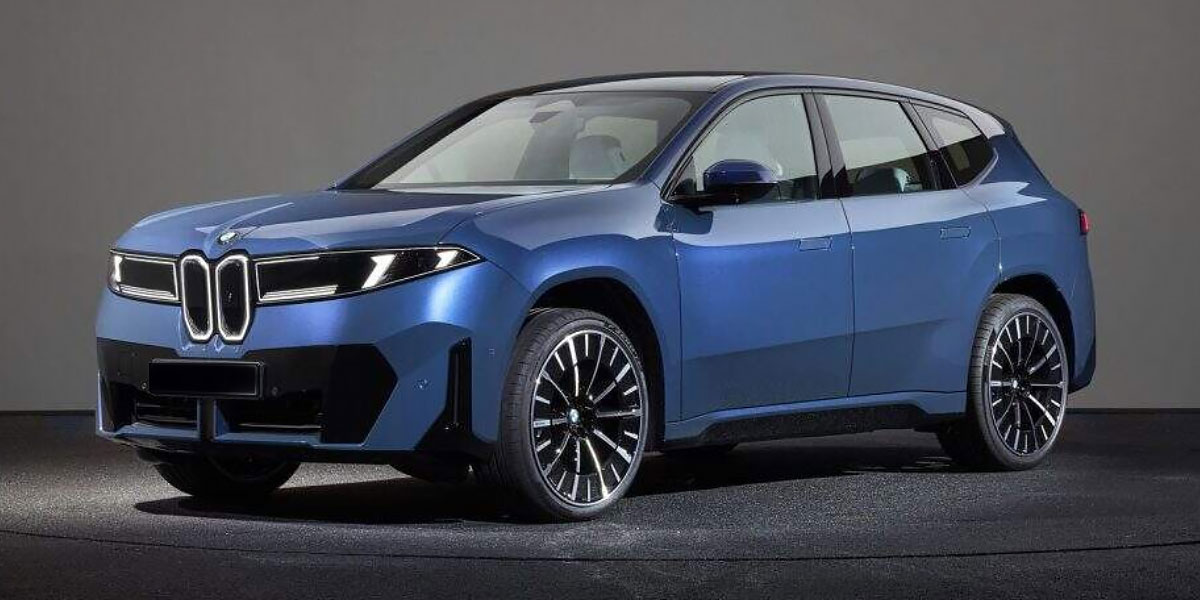
The BMW iX3 represents one of the most significant leaps in the luxury EV space for 2026. Built on BMW's all-new Neue Klasse platform, it targets up to 400 miles (644 km) of EPA range.
At approximately $60,000 for the xDrive variant, the iX3 delivers the driving dynamics BMW fans expect. It also supports Tesla's Supercharger network via NACS, which removes a major road-trip headache.
BMW's Neue Klasse isn't just a new car - it's a fundamental rethink of how an EV should be engineered.
Pros
- Industry-leading ~400 mi range
- NACS / Supercharger access
- Purpose-built Neue Klasse platform
- Premium BMW interior and tech
Cons
- $60K+ price excludes many buyers
- No federal tax credit relief
- Range is estimated, not EPA-certified yet
Rivian R2: Is This the Tesla Model Y Killer?
Rivian R2
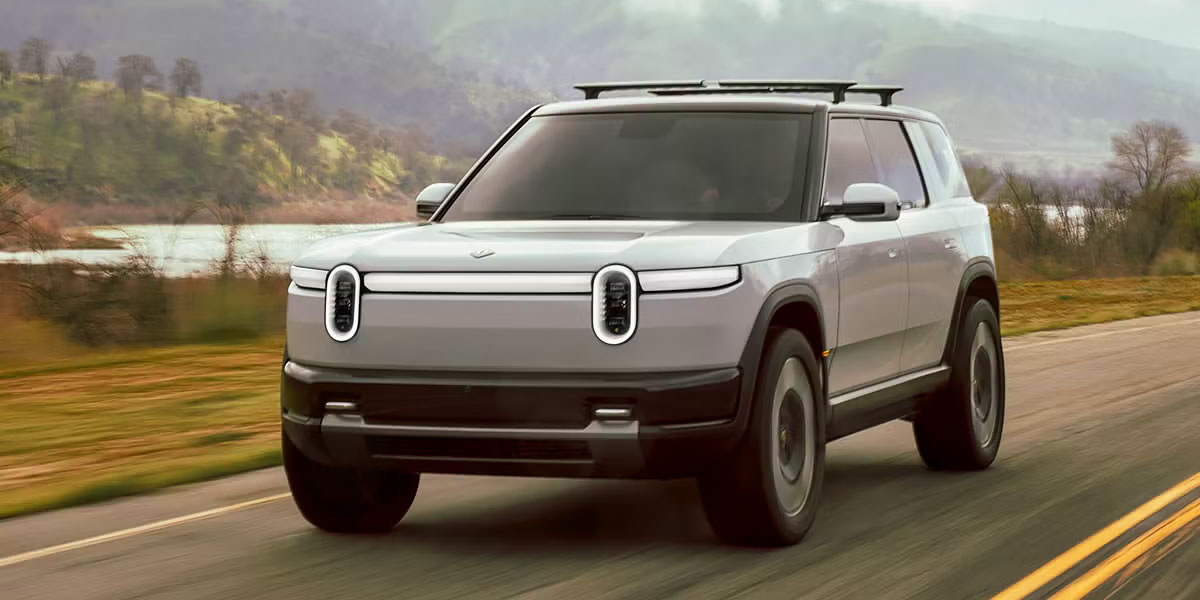
Rivian's R2 brings adventure-ready engineering to buyers who couldn't justify the $70,000+ R1T or R1S. The R2 promises more than 300 miles (483+ km) of range and performance variants up to 656 horsepower.
Compared to the Tesla Model Y, the R2 offers stronger off-road credentials and arguably better build quality.
Pros
- Real off-road capability
- Up to 656 hp performance trim
- American-made (Illinois)
- Strong brand reputation for quality
Cons
- Options can push price well past $47K
- Charging network smaller than Tesla's
- Production timeline TBD
Slate Truck: Can an Electric Pickup Really Cost Under $30,000?
Slate Truck ("Blank Slate")
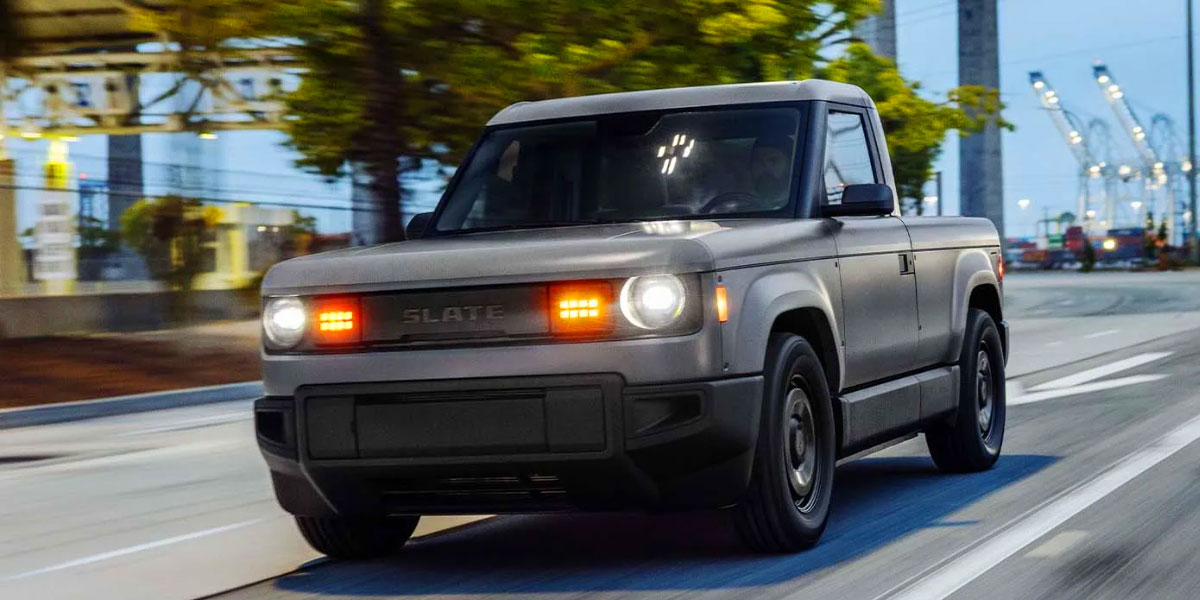
The Slate Truck targets the mid-$20,000s, making it potentially one of the cheapest new EVs on American roads when deliveries begin in late 2026.
The philosophy is deliberate minimalism: strip away the extras and deliver a capable, modular pickup at a price that works for contractors, small businesses, and budget-minded families.
Heads up: Range, payload, and towing specs for the Slate Truck haven't been fully confirmed. Watch for official EPA and SAE ratings closer to launch.
Pros
- Potentially cheapest new EV in the USA
- Modular, upgradeable design
- American assembly
- Ideal for work, errands, light hauling
Cons
- Range and tow specs not yet confirmed
- New brand, unknown reliability track record
- Minimal features at base price
Subaru Trailseeker: The Family EV That Actually Goes Off-Road
Subaru Trailseeker (2026)
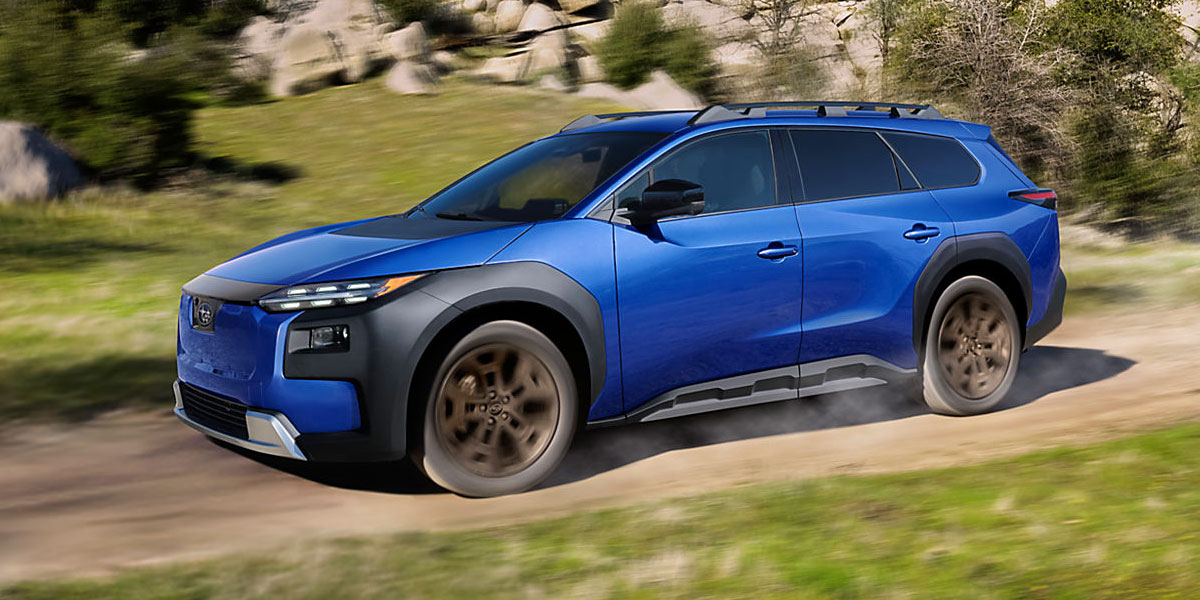
Subaru's Trailseeker launches in spring 2026 with a starting price of approximately $39,995-$41,000. Standard Symmetrical All-Wheel Drive, 8.5 inches of ground clearance, and X-Mode traction control make it genuinely capable.
Subaru estimates over 260 miles (418 km) of range, and with EyeSight safety tech standard, there's a compelling safety story too.
Subaru's entry into full battery-electric with proper AWD and off-road geometry could convert a lot of Outback and Forester loyalists.
Pros
- Genuine AWD + off-road capability
- EyeSight safety tech standard
- Strong Subaru reliability reputation
- Under $41K starting price
Cons
- 260 mi range trails BMW and Rivian
- Less performance-focused than competitors
- First Subaru BEV - some unknowns remain
Side-by-Side: All Four 2026 EVs Compared
| Model | Starting Price (USD) | GBP / EUR | Est. Range | Range (km) | Top Power | AWD | NACS | Launch |
|---|---|---|---|---|---|---|---|---|
| BMW iX3 | ||||||||
| Rivian R2 | ||||||||
| Subaru Trailseeker | ||||||||
| Slate Truck |
Range values shown in miles, with km equivalents in the labels.
What About Charging in 2026?
Charging infrastructure was the Achilles heel of early EV adoption, but 2026 is a fundamentally different landscape. The industry has largely converged on the North American Charging Standard (NACS).
BMW confirms NACS compatibility for the iX3, granting access to Tesla's Supercharger network at over 20,000 U.S. locations. Rivian similarly supports NACS in the R2, complementing its own Adventure Network.
Estimated network size from 2022 to 2026.
Fast charging in plain English: DC fast chargers can add 100-200 miles in 20-30 minutes depending on vehicle and charger power. Home Level 2 charging adds roughly 25-30 miles per hour overnight.
7 Smart Tips Before You Buy a 2026 EV
- Know your actual daily mileage. Average American commute is 41 miles round-trip.
- Budget for home charging. A Level 2 home charger costs roughly $400-$800 installed.
- Check state incentives. Many states still offer credits of $2,000-$7,500.
- Compare real-world range, not EPA sticker. Cold weather can cut range by 10-20%.
- Test the infotainment before you buy. You'll use it every day.
- Verify NACS compatibility. Supercharger access can make or break road trips.
- Wait for Slate's full spec sheet. A few months of patience could save thousands.
2026-2027 EV Market Outlook: What Comes Next?
If 2026 represents the tipping point, 2027 looks like the acceleration. Battery costs are projected to continue falling, which would enable another generation of sub-$30,000 EVs with genuinely useful range.
Solid-state battery technology remains on the horizon, with Toyota, BMW, and Samsung SDI targeting commercial rollouts around 2027-2028.
On the charging front, NACS standardization means that by 2027 virtually every new EV sold in America will plug into the same nationwide network. That removes the last major friction point for mainstream adoption.
The bottom line? The 2026 American EV market isn't a niche experiment anymore. It's a genuine mainstream choice.
Frequently Asked Questions
- What are the best new electric cars coming to the U.S. in 2026?
The standout 2026 EVs are the BMW iX3 for luxury range, the Rivian R2 for adventure capability, the Slate Truck for budget buyers, and the Subaru Trailseeker for AWD family use.
- How much range do 2026 electric cars offer?
The BMW iX3 targets up to 400 miles, Rivian R2 promises 300+ miles, Subaru Trailseeker offers 260+ miles, and Slate Truck has not yet confirmed range figures.
- Are there affordable electric cars under $30,000 in 2026?
Yes - the Slate Truck is targeting the mid-$20,000s, making it one of the most affordable new EVs ever offered in America.
- Do 2026 EVs support Tesla Superchargers?
Several 2026 models, including the BMW iX3 and Rivian R2, are confirmed to support NACS and therefore access Tesla's Supercharger network.
- Is the 2026 Rivian R2 better than a Tesla Model Y?
It depends on your priorities. The R2 brings stronger off-road capability and up to 656 hp, while Tesla still has the larger service network and mature software.
- What is the Subaru Trailseeker's starting price?
The Subaru Trailseeker starts at approximately $39,995-$41,000 and launches in spring 2026.
- Will federal EV tax credits be available in 2026?
Federal incentives have been phased out or restructured, but many U.S. states still offer EV incentives.
Sources & References
- BloombergNEF Electric Vehicle Outlook 2025
- U.S. Department of Energy EV ownership and charging data
- BMW Group Press Release, Neue Klasse platform and iX3 specifications
- Rivian Investor Day 2024
- Slate Auto official product announcement
- Subaru of America Trailseeker debut and spec confirmation
- U.S. EPA range testing methodology
- Currency exchange rates sourced from mid-2025 market data
Ready to Go Electric in 2026?
Stay up to date with the latest EV launches, charging guides, and buying tips at MotorWatt.
Related Video