
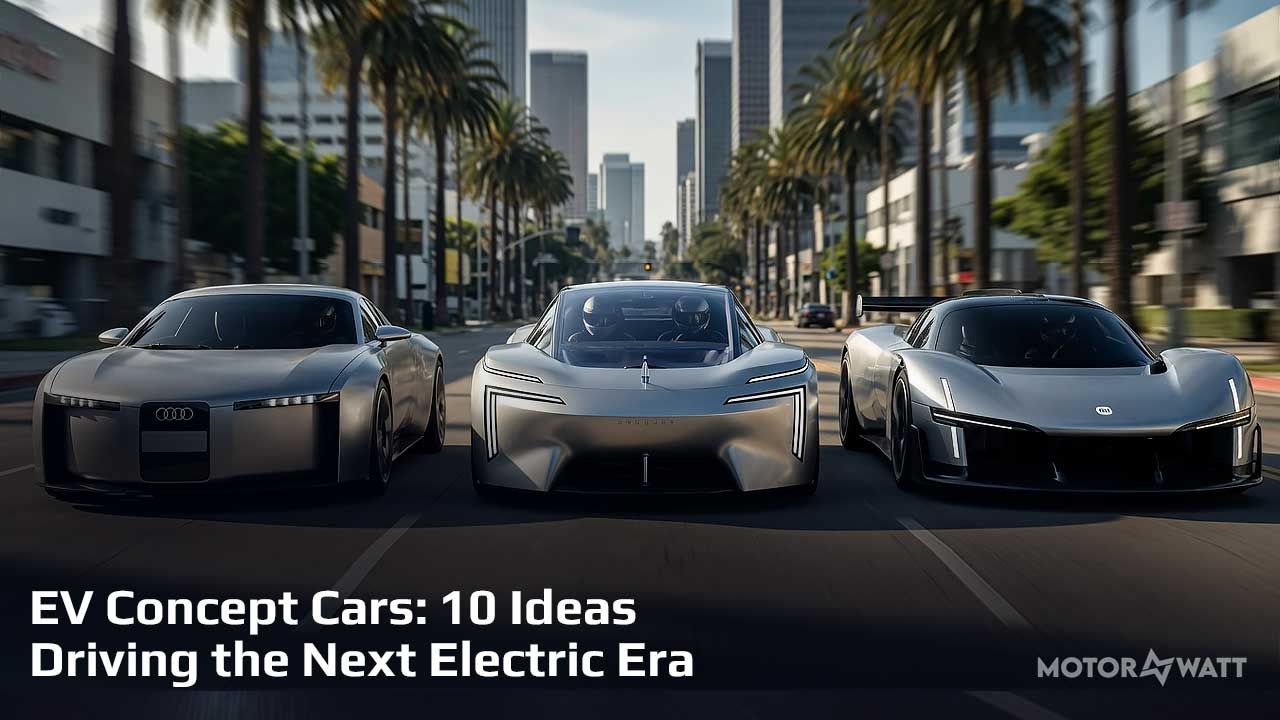
EV concept cars in 2026 are becoming product roadmaps. The strongest examples connect dramatic design to a named platform, production window, fleet service or engineering program. The weakest still sell a fantasy with no industrial path behind it.
The 2026 concept-car reset
Concept cars used to arrive with four impossible doors, a steering yoke nobody requested and a press release full of vapor. The better 2026 EV concept cars are doing more useful work. They preview body styles people might buy, electrical systems that can plausibly reach production and cabin ideas designed around the time passengers gain when the car handles more of the driving.
The market is large enough to justify the experimentation. The International Energy Agency reports that electric-car sales exceeded 20 million in 2025, up 20 percent year over year. Its 2026 outlook projects 23 million sales, or 28 percent of the global new-car market. That scale changes the assignment: an EV no longer wins merely because it is electric.
At CES, the story moved from horsepower to compute. Qualcomm described agentic AI and consolidated vehicle computing as core pieces of the software-defined car, while show-floor reporting found cabins becoming personalized “companions” packed with microphones, cameras and biometric sensing—along with the privacy questions those features invite. Qualcomm’s CES announcement and the Associated Press report make the shift plain.
Beijing pushed harder. Auto China 2026 filled 17 halls with more than 1,500 vehicles and made ultra-fast charging, AI agents and purpose-built autonomy feel less like side projects than an industrial strategy. That is why this ranking values production relevance, technical influence and genuine user benefit—not merely how loudly a car photographed under show lights.
Reality check: AFEELA is not coming. Sony Honda Mobility presented an SUV-shaped AFEELA Prototype 2026 at CES and had planned California deliveries of the AFEELA 1 sedan. On March 25, the company officially discontinued development and launch of both vehicles after Honda reassessed its electrification strategy. That reversal is the year’s clearest reminder that a sensor count, a deposit program and even a delivery window do not equal a durable production case.
Shopping now rather than sketching the future? Start with our guide to the best luxury electric SUVs, then compare the demand, pricing and policy pressures covered in the 2026 American EV market report.
What is an EV concept car—and why does it matter?
An EV concept car is a non-series vehicle built to test design, technology, packaging or public reaction. The important question is not “Will this exact car go on sale?” It is “Which parts have a funded path into a road car?”
| Decision | Old concept-car approach | New 2026 approach | Why it matters |
|---|---|---|---|
| Powertrain | Electric motor as novelty | Integrated battery, inverter and thermal system | Charging consistency and repeatable performance matter more than a peak number. |
| Electrical architecture | Conventional 400V-class hardware | 800V-class and kilovolt research platforms | Higher voltage can reduce current for a given power level and support faster charging with compatible hardware. |
| Cabin | Dashboard with a larger screen | Adaptable lounge, gaming room or face-to-face pod | More automated driving changes how occupants use travel time. |
| Software | Features fixed at launch | Central compute and over-the-air evolution | The car can gain functions, but cybersecurity and long-term support become purchase issues. |
| Autonomy | Vague “self-driving” promise | Defined operating domain and SAE level | NHTSA distinguishes driver-support systems from conditional and high automation. |
| Design | Drama detached from packaging | Aero, visibility and battery packaging shape the form | Efficiency can add useful range without adding battery mass. |
| Production signal | One-off fantasy | Platform, factory or launch window disclosed | Named industrial commitments improve the odds that an idea survives. |
The voltage number is not the charging speed. An 800V-class architecture can help a car accept high power efficiently, but the charger, battery temperature, state of charge and charging curve still decide the stop. CharIN notes that 800V vehicles can charge at high rates; it also emphasizes communication and interoperability between car and charger. Read our EV explainers before treating any peak-kilowatt headline like a guaranteed road-trip result. Source: CharIN charging technology overview.
MOTORWATT editorial coding of publicly disclosed attributes; counts are directional, not manufacturer performance claims.
Definitions follow the SAE automation summary.
The 10 EV concept cars that matter most
Rank is based on production relevance, technical influence, user benefit and design coherence. “Ease” in the comparison means how easily the concept’s ideas could translate into ordinary ownership—not whether anyone can order the show car.
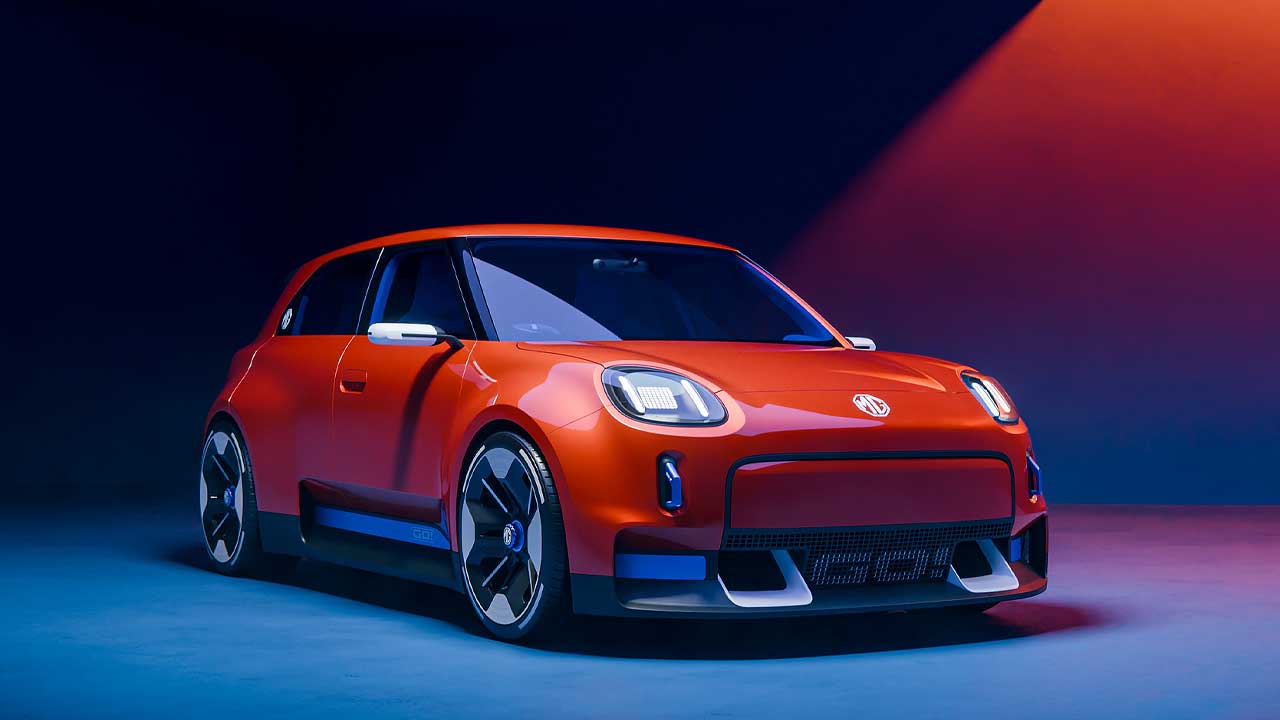
MG GO!
The cleverest concept of 2026 is not the longest, fastest or most computationally gifted. It is a compact B-segment electric hatch with a stated 2027 production path. MG says the Goodwood show car explores retro-futurism inspired by the brand’s expressive mid-century work; contemporary reporting puts it at roughly four meters long, squarely in Renault 5 territory.
Key features
| Pros | Cons |
|---|---|
|
|
Why it matters: MG GO! makes the strongest case that the next useful EV breakthrough is a car people can want and afford, not another rolling electronics demo.
Small, cheeky and pointed at production: this is the concept most likely to improve an ordinary commute.
Audi Concept C
Audi’s road-legal two-seater is both a hardtop roadster and a reset button. The company calls it the first expression of a new design philosophy and confirms that it previews an all-electric production sports car. Better still, the cabin hides its 10.4-inch display until needed and gives physical controls a deliberately mechanical click.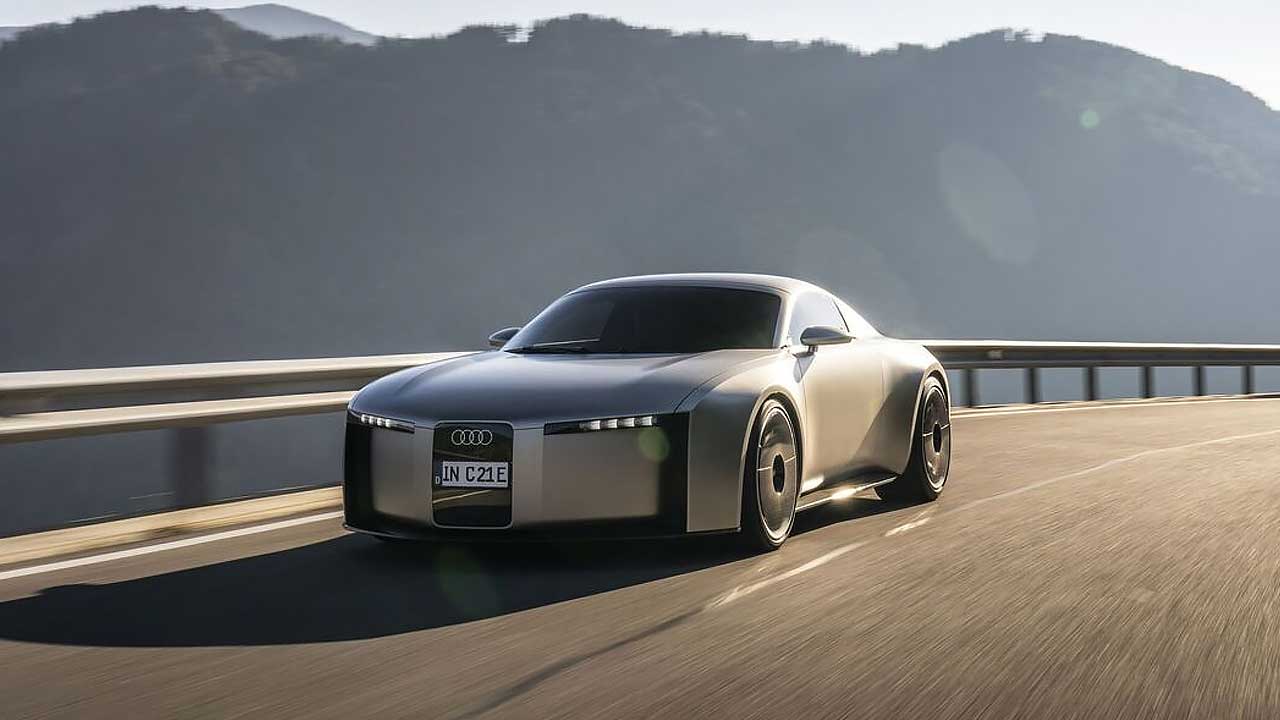
Key features
| Pros | Cons |
|---|---|
|
|
Why it matters: Concept C turns restraint into technology: the screen disappears, the roof does the trick and the driver remains the point.
The radical move in 2026 is not adding another display. It is knowing when to make one vanish.
Lexus LFA Concept
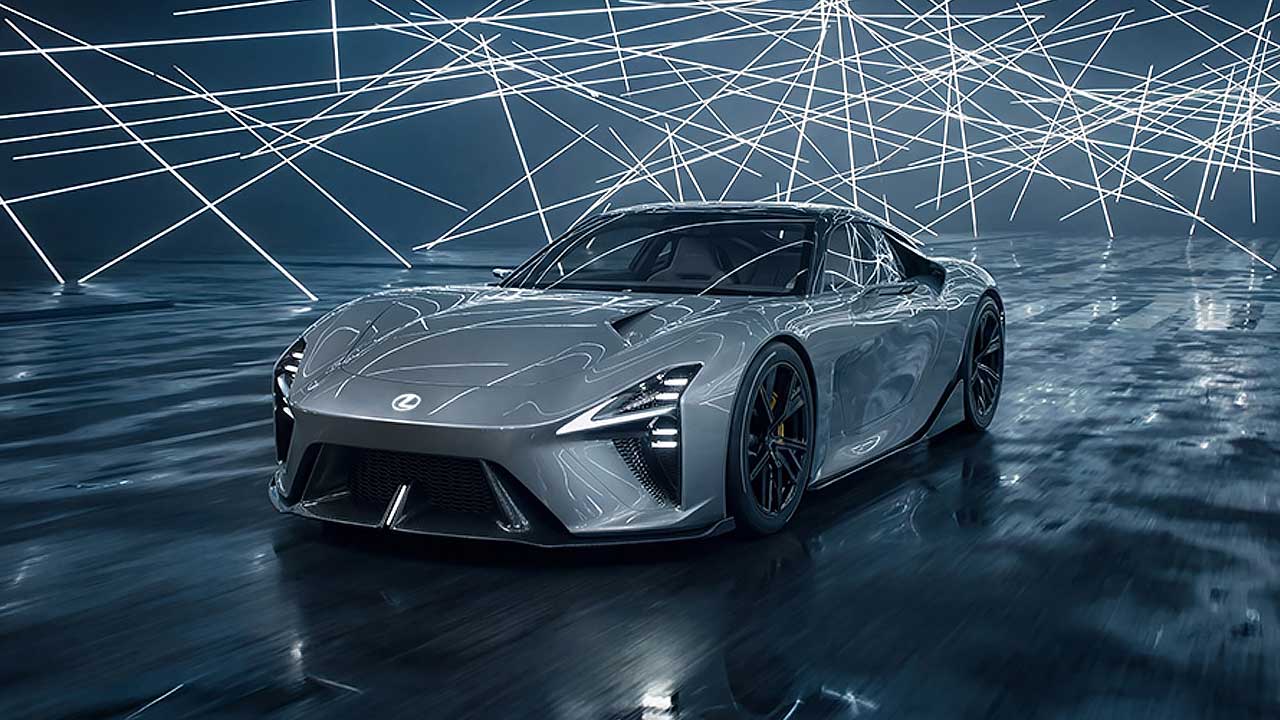
Lexus is not pretending a battery alone earns the LFA name. Its two-seat BEV sports-car study shares development thinking with the Toyota GR GT and GR GT3, centering on low mass, high rigidity, aerodynamics and a low center of gravity. The official specifications give it a 4,690-mm length, broad 2,040-mm stance and striking 1,195-mm height.
Key features
| Pros | Cons |
|---|---|
|
|
Why it matters: Lexus ranks because it treats weight, stiffness, posture and controls as the ingredients of an electric sports car—not optional garnish.
An electric LFA must do more than beat a stopwatch. It has to make the driver take the long way home.
Geely EVA Cab
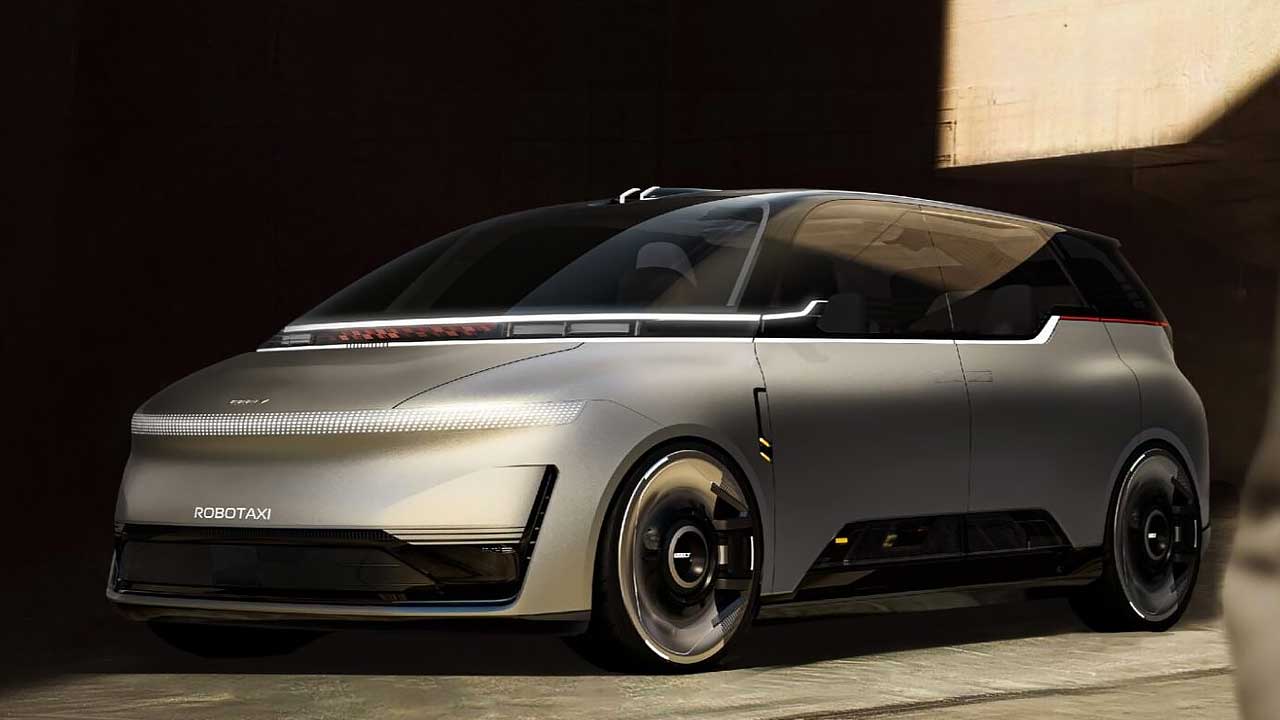
Most robotaxis begin as cars with an expensive hat of sensors. Geely, AFARI Technology and CaoCao Mobility started with the service. The EVA Cab is a purpose-built Level 4 prototype without conventional driving controls, shaped around passenger access, face-to-face travel and the economics of fleet operation.
Key features
| Pros | Cons |
|---|---|
|
|
Why it matters: EVA Cab stops treating autonomy as a trim package and redesigns the vehicle around the absence of a human driver.
If nobody needs to drive, a steering wheel is not heritage. It is furniture in the wrong room.
Avatr Vision Xpectra
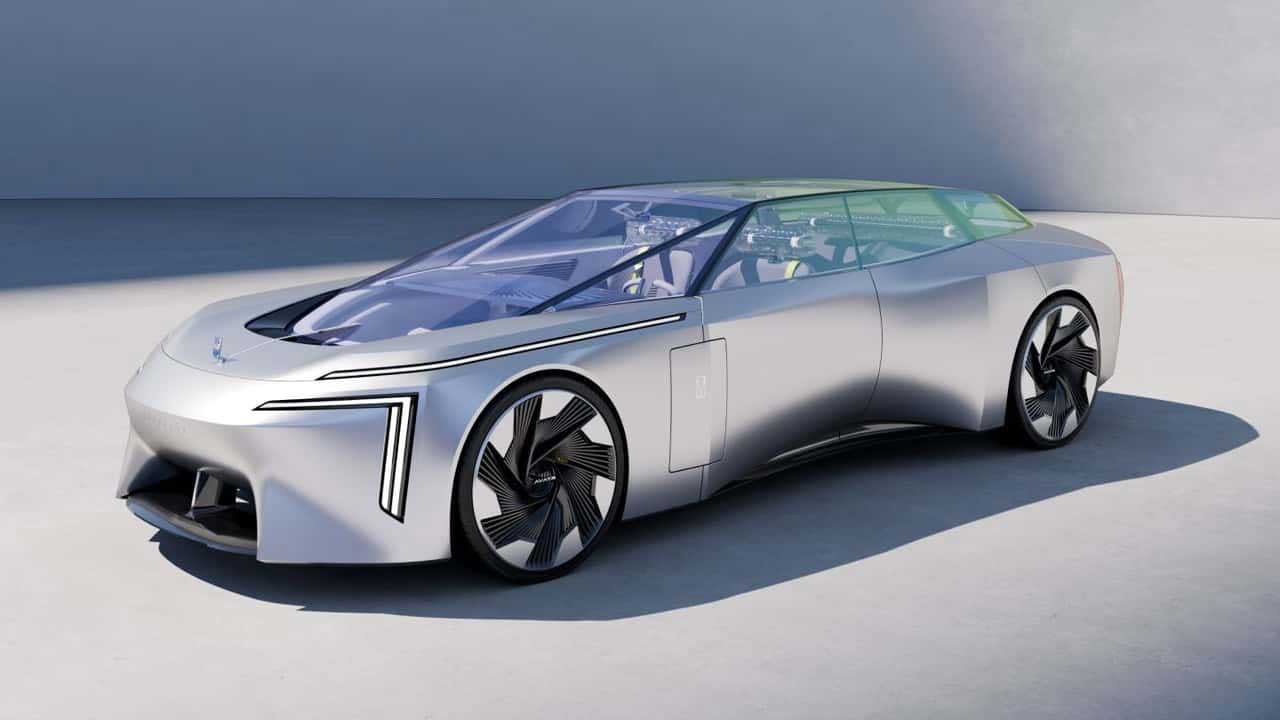
Vision Xpectra is the big sedan as rolling architecture: extremely long, low and deliberately formal. Avatr frames it as an “emotional intelligence” concept; its pillarless openings, broad glass canopy and cabin-like volume make the familiar luxury-car question—how much chrome is enough?—feel charmingly old.
Key features
| Pros | Cons |
|---|---|
|
|
Why it matters: Xpectra earns its place by making electric luxury spatial and architectural rather than merely faster and more digital.
It is less a sedan than a private lounge that happens to have axles.
Chery iCAR ROBOX
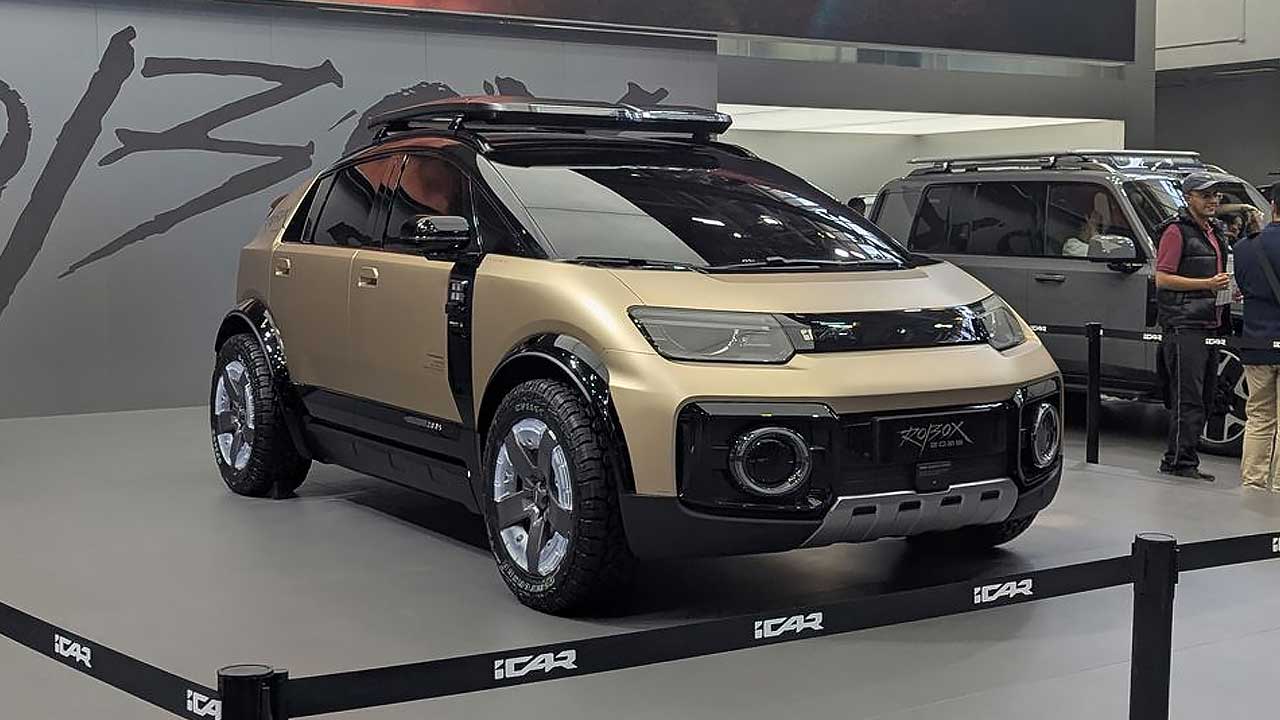
ROBOX looks like a toy box that found a robotics lab, which is more compliment than crack. The “robot plus box” concept uses iCAR’s research platform to combine urban packaging and off-road posture while exploring solid-state compatibility, high-voltage charging, axial-flux motors and higher automated-driving levels. Those are research directions, not showroom promises.
Key features
| Pros | Cons |
|---|---|
|
|
Why it matters: ROBOX is valuable because it is a platform laboratory; even if the shape changes, its battery, motor and compute work can migrate.
Watch the hardware underneath the cartoon body. That is where the serious engineering is hiding.
Xiaomi Vision Gran Turismo
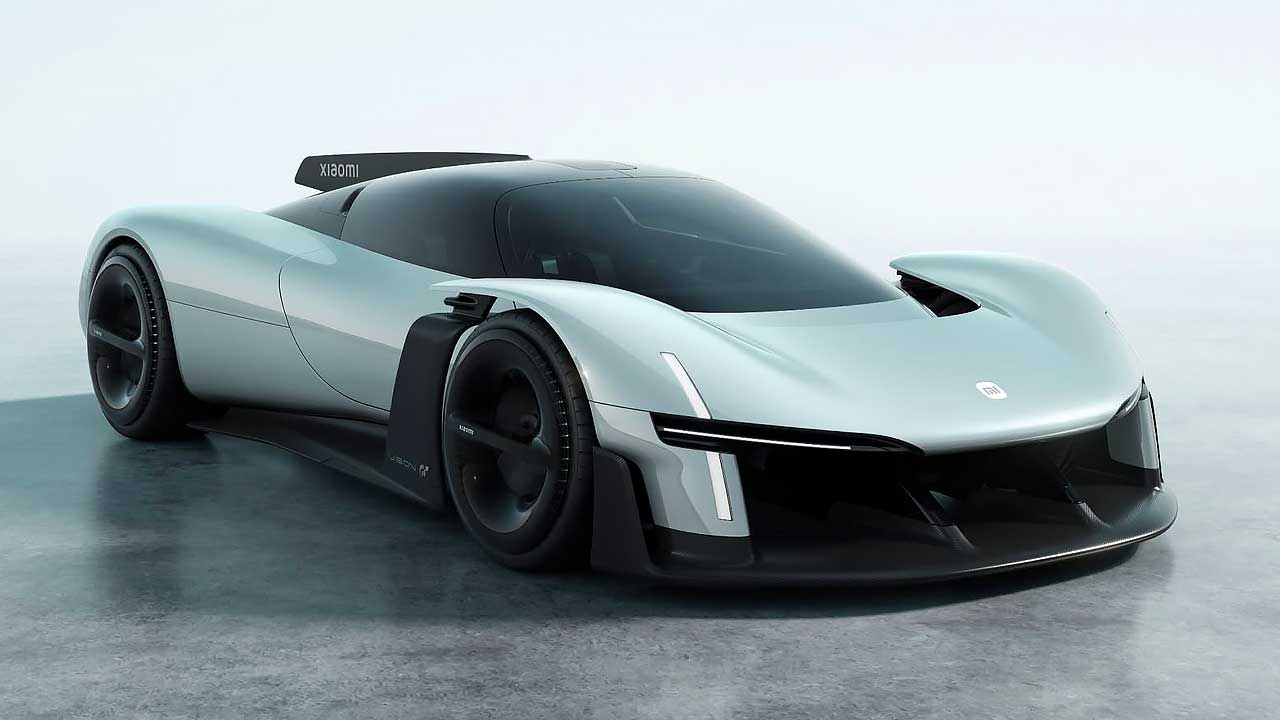
Xiaomi’s Vision GT is a virtual race car rendered at full scale, not a hidden production supercar. It was created for Gran Turismo 7, shown at Mobile World Congress and displayed at Beijing with its interior. That distinction matters: the car’s job is to stretch brand design and aerodynamics in public, not pass a dealer’s finance desk.
Key features
| Pros | Cons |
|---|---|
|
|
Why it matters: Vision GT shows how an automaker can use a digital concept as a global design clinic before spending billions on tooling.
You may never park it, but millions can drive it—and that makes it a remarkably efficient concept car.
BYD Ocean-V
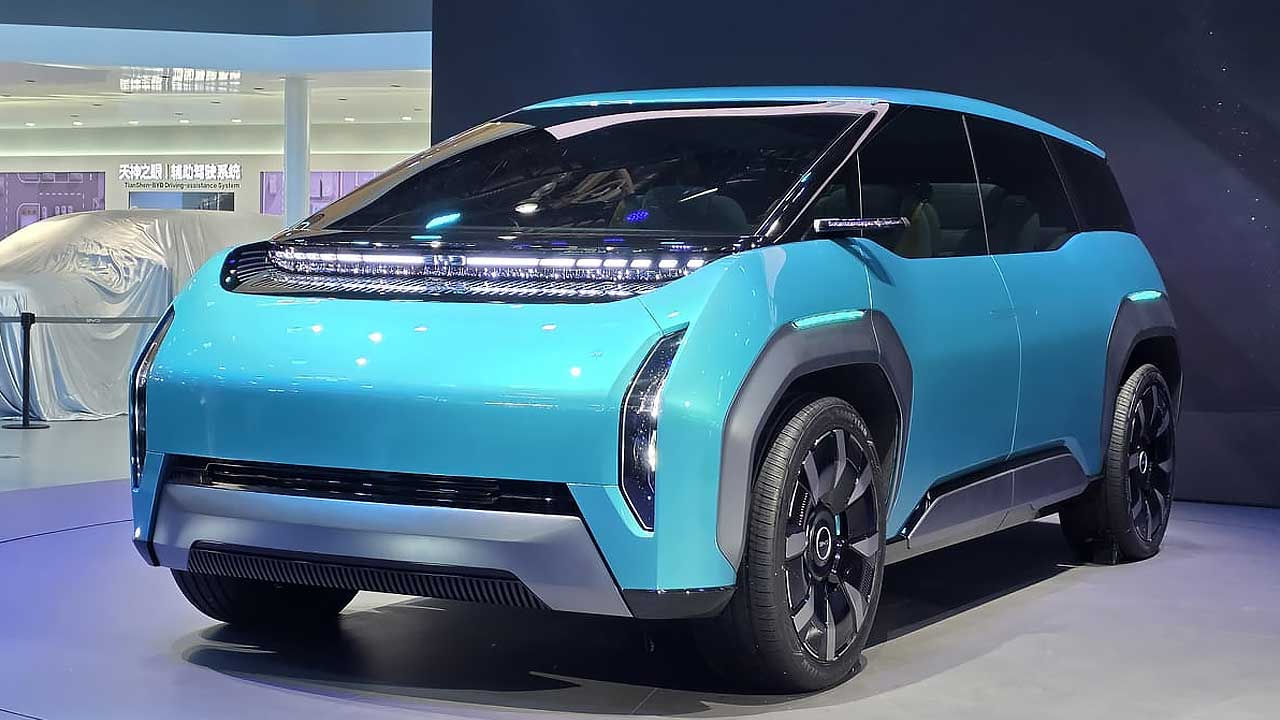
BYD calls Ocean-V a radical exploration of future mobility, but its most interesting rebellion is domestic. Rather than force every family brief into sedan, SUV or MPV taxonomy, it treats the cabin as a multi-purpose “mobile life” volume. Official material confirms the concept role and family-mobility emphasis; no production specifications were released.
Key features
| Pros | Cons |
|---|---|
|
|
Why it matters: Ocean-V ranks because it asks a better product question: what should a family do inside the car, not what silhouette should neighbors recognize?
The next minivan may succeed by refusing to call itself a minivan.
Peugeot Concept 6 & Concept 8
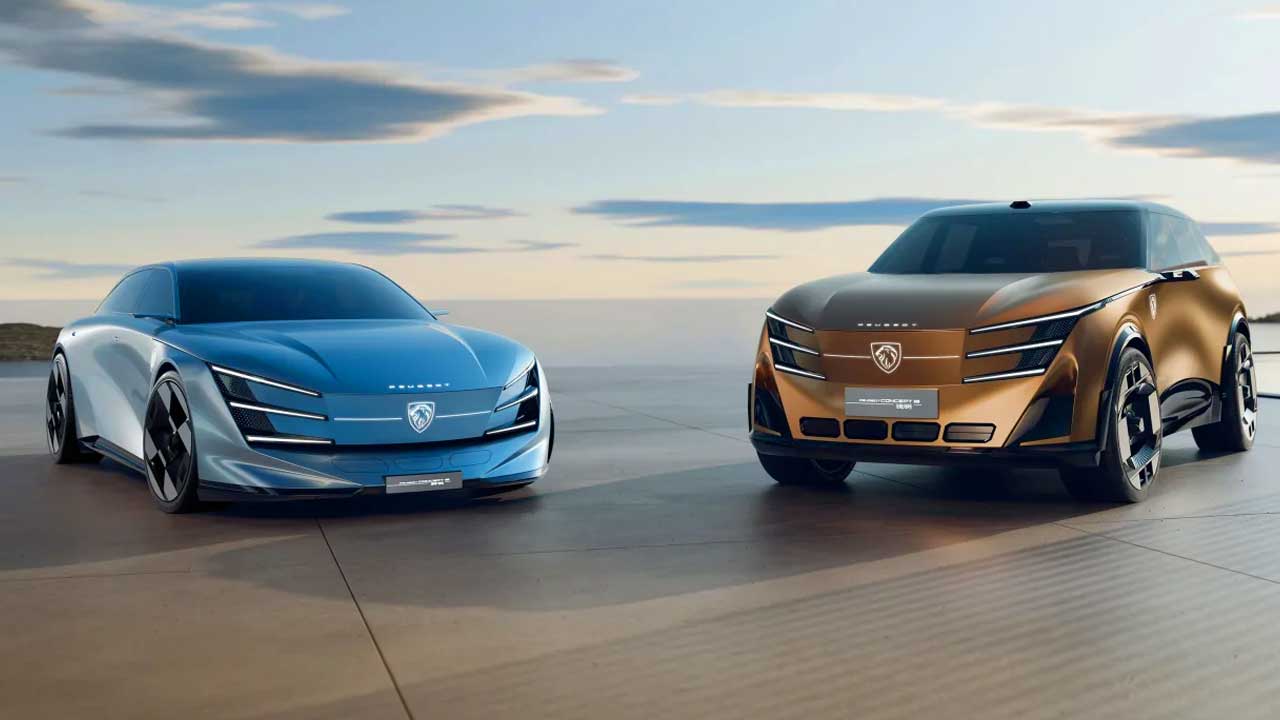
Count these as one design program with two answers. Concept 6 combines a large sedan with shooting-brake posture, while Concept 8 previews a large, aerodynamically minded SUV. Peugeot says both prefigure vehicles to be produced with Dongfeng in Wuhan for China and export markets—a far stronger industrial breadcrumb than the usual “inspired by” language.
Key features
| Pros | Cons |
|---|---|
|
|
Why it matters: Peugeot’s pair matters because it connects design ambition to a partner, a plant and a future lineup rather than a single show-floor sculpture.
A concept becomes more credible the moment a factory appears in the sentence.
Freelander Concept 97
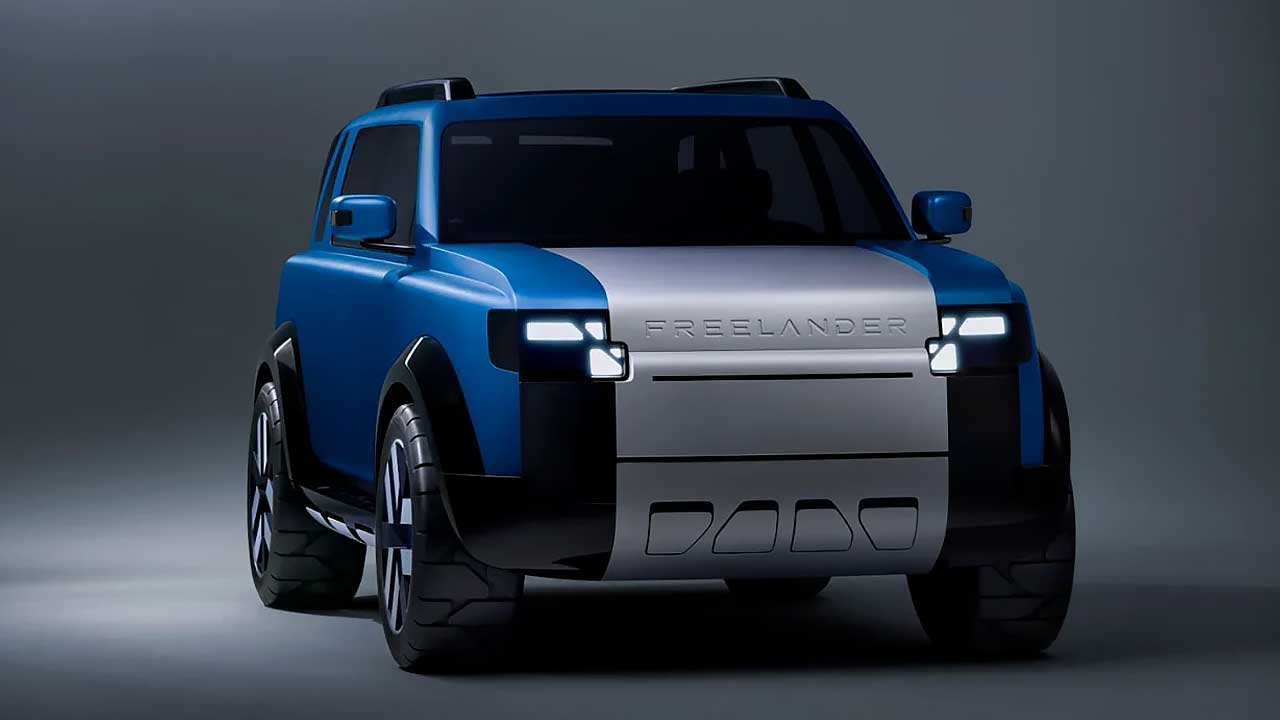
Freelander returns not as one Land Rover model but as a premium electrified brand jointly developed by Chery and JLR. Concept 97 references the original nameplate’s 1997 debut and previewed the first product; the production Freelander 8 has since shown how quickly the idea moved from illuminated sculpture to showroom intent.
Key features
| Pros | Cons |
|---|---|
|
|
Why it matters: Concept 97 earns the last slot because it did the rarest concept-car trick: it introduced a business case, a brand and a production direction at once.
The badge looks backward; the joint venture, electric platform and production speed look firmly ahead.
How to read these cars without swallowing the hype
Use this five-phase filter whenever a manufacturer unveils the next miracle EV. It separates industrial signals from decorative smoke in about five minutes.
1. Define the job
Is the car a design study, technology demonstrator, robotaxi, virtual racer or production preview? A concept cannot fail a mission it never accepted.
2. Find the hard link
Look for a platform, factory, supplier, homologated prototype or dated production program. Audi, MG and Peugeot disclose stronger links than most.
3. Separate system from peak
A charging peak, sensor count or power figure means little without duration, conditions, thermal control and software support.
4. Audit responsibility
For automation, ask who watches the road and where the system works. Level 2 assistance is not a driverless car; Level 4 is domain-limited.
5. Wait for ownership facts
Price, warranty, repairability, insurance, battery coverage and software-support length matter more than a concept’s launch-night applause.
A practical watch list, not a manufacturer launch promise.
Do not shop a render. If you need a vehicle soon, compare rated range, charging curve, warranty and local service on models already for sale. The MOTORWATT luxury EV SUV guide is built for that decision; this concept ranking is built to show what may shape the next one.
Full EV concept car comparison
The price tags are deliberately honest: none of these show cars has a public retail starting price. Production confidence is MOTORWATT’s editorial assessment based on the disclosed factory, platform or launch connection.
| Rank & name | Best for | Key feature | Ease / ownership transfer | Production confidence | Agency / fleet friendly | Price |
|---|---|---|---|---|---|---|
| 1. MG GO! | Affordable fun | B-segment EV hatch | ★★★★★ | High | Consumer-first | Not announced |
| 2. Audi Concept C | Minimalist performance | Hardtop EV roadster | ★★★★☆ | High | Niche halo | Not announced |
| 3. Lexus LFA Concept | Driver engagement | Low, rigid BEV chassis | ★★★☆☆ | Medium | Niche halo | Not announced |
| 4. Geely EVA Cab | Robotaxi service | Purpose-built L4 pod | ★★☆☆☆ | Medium-high | Fleet-native | Fleet quote |
| 5. Avatr Xpectra | Flagship space | Pillarless lounge | ★★☆☆☆ | Low | Executive use | Not announced |
| 6. iCAR ROBOX | Platform research | Battery and motor flexibility | ★★☆☆☆ | Low-medium | Multi-use idea | Not announced |
| 7. Xiaomi Vision GT | Digital design | Gran Turismo integration | ★☆☆☆☆ | Not planned | Brand activation | Game-dependent |
| 8. BYD Ocean-V | Family flexibility | Mobile-life cabin | ★★★☆☆ | Low-medium | Shuttle potential | Not announced |
| 9. Peugeot 6 & 8 | Model-family design | Named factory link | ★★★★☆ | High | Fleet potential | Not announced |
| 10. Freelander 97 | Brand revival | Chery–JLR program | ★★★★☆ | High | SUV utility | Not announced |
EV concept car FAQ
Look for expensive commitments, not adjectives. A named factory, production partner, street-legal prototype, launch year or shared production platform is more meaningful than “production-inspired.” MG says its GO! concept previews a 2027 hatch; Audi says Concept C previews a production sports car; Peugeot names Dongfeng and its Wuhan plant. Those are useful signals, though none is a guarantee. Then wait for homologation data, supplier contracts, dealer information and official ordering. AFEELA reached deposits and a delivery plan before Sony Honda Mobility canceled the program, which proves even late-stage programs can fail. Track confirmed launches through the MOTORWATT EV blog, not social-media render accounts.
A concept communicates an idea; a prototype tests a solution. One vehicle can be both, but the labels describe different jobs. A styling buck may have no functional powertrain, while an engineering prototype may wear an ugly temporary body and quietly accumulate test miles. Audi calls Concept C street-legal, giving its design claims more physical credibility. Xiaomi Vision GT is primarily a virtual design exercise represented by a physical show car. Ask whether the vehicle runs, whether its systems are representative and whether it was built for validation or display. That simple distinction prevents dramatic bodywork from borrowing credibility from technology that is not actually installed.
No. Higher system voltage can deliver a given power level at lower current, helping reduce resistive losses and easing some cable and thermal demands. It does not guarantee a short stop. The battery must accept the power, the pack must be at the right temperature, the charger must supply compatible voltage and current, and the charging curve must hold useful power beyond a brief peak. A 400V car with excellent thermal management can beat a poorly optimized 800V car over a real 10–80 percent session. CharIN’s work on charging communication underscores that the car and charger operate as a system. Use measured charge curves when shopping, then place the architecture in context with our 2026 U.S. market analysis.
At Level 2, the human driver continuously supervises even when steering and speed control operate together. At Level 3, the automated system performs the driving task under limited conditions, but a fallback-ready human must respond when requested. At Level 4, the system can complete the driving task without a human fallback inside its defined operational domain; outside that domain it may not operate at all. That is why Geely can design EVA Cab without normal controls for a bounded robotaxi service while consumer vehicles still retain a driver. Never infer an SAE level from a sensor count or the words “AI driving.” Read the operating conditions and driver-responsibility statement.
Not merely because a concept platform says it supports them. Solid-state compatibility shows engineers are considering packaging, voltage and thermal requirements, but chemistry, yields, durability, cost and manufacturing scale decide when customers receive packs. iCAR’s ROBOX is best read as a research platform that can host lithium-ion and future solid-state systems, not a promise that its first showroom descendant will have one. The right questions are whether pilot cells have reached automotive format, how many cycles they retain, what temperature range they tolerate and which factory will make them. Until those answers exist, treat spectacular range or charge claims as development targets rather than shopping specifications.
Usually not unless a manufacturer has confirmed a near production model that matches your timing. Cars improve continuously; waiting for every new battery or charging claim becomes a permanent hobby. If your current vehicle is reliable and the MG compact hatch or Audi sports car precisely fits your needs, a 2027 watch list is reasonable. If you need transportation now, buy against today’s charging network, incentives, service coverage and total cost. Our luxury electric SUV comparison focuses on vehicles you can evaluate rather than concepts you can admire. The concept list is most useful for deciding which features deserve a place on your next test-drive checklist.
None of the ten show cars has a published retail starting price, and several will never be sold in their displayed form. Any precise dollar figure would be invention. Segment gives a rough clue: MG GO! is aimed at a mainstream compact class, Audi Concept C at a premium two-seat niche, Lexus LFA Concept at an exotic performance tier and EVA Cab at commercial fleets. Production vehicles may also use different batteries, motors and materials, changing the economics substantially. Wait for official regional pricing and compare destination charges, options, insurance and charging equipment. Market context matters too; incentives and tariffs covered in the MOTORWATT American EV market guide can change the final check dramatically.
Look beyond screen size. Ask how long the manufacturer promises security updates, which functions work without a subscription, whether core climate and safety controls remain accessible during a software failure, and what data leaves the vehicle. Centralized computing can reduce duplicated hardware and enable over-the-air improvements, but it also concentrates risk. CES 2026 showed increasingly personalized cabins using cameras, microphones and biometric signals, so privacy controls deserve equal billing with convenience. Favor clear permission settings, local processing where possible, a published support horizon and physical controls for frequent tasks. Audi’s hidden screen and tactile controls are encouraging because good software-defined design includes knowing which jobs should remain immediate and mechanical.
Separate the showroom-ready EVs from the show-floor theater.
MOTORWATT tracks the cars, charging technology and market shifts that matter after the lights come down. Use our buyer-focused guides to build a shortlist around evidence, not launch-night promises.
Explore MOTORWATT EV guides