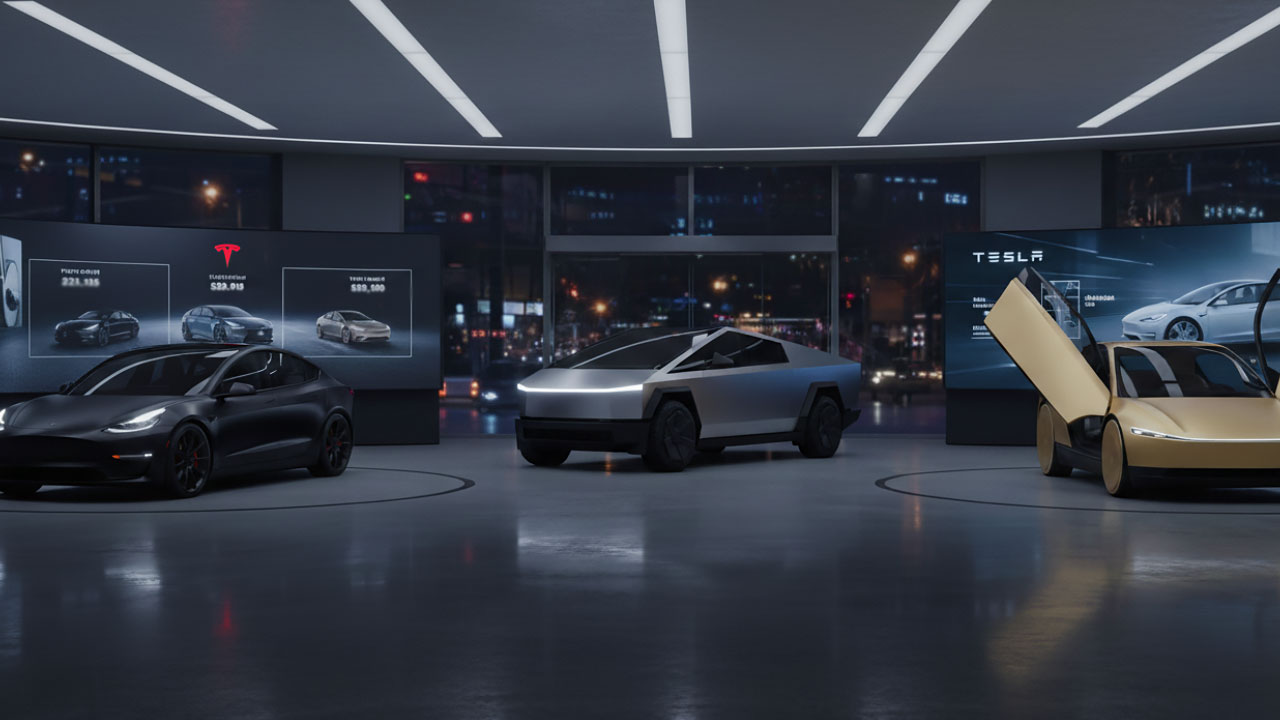

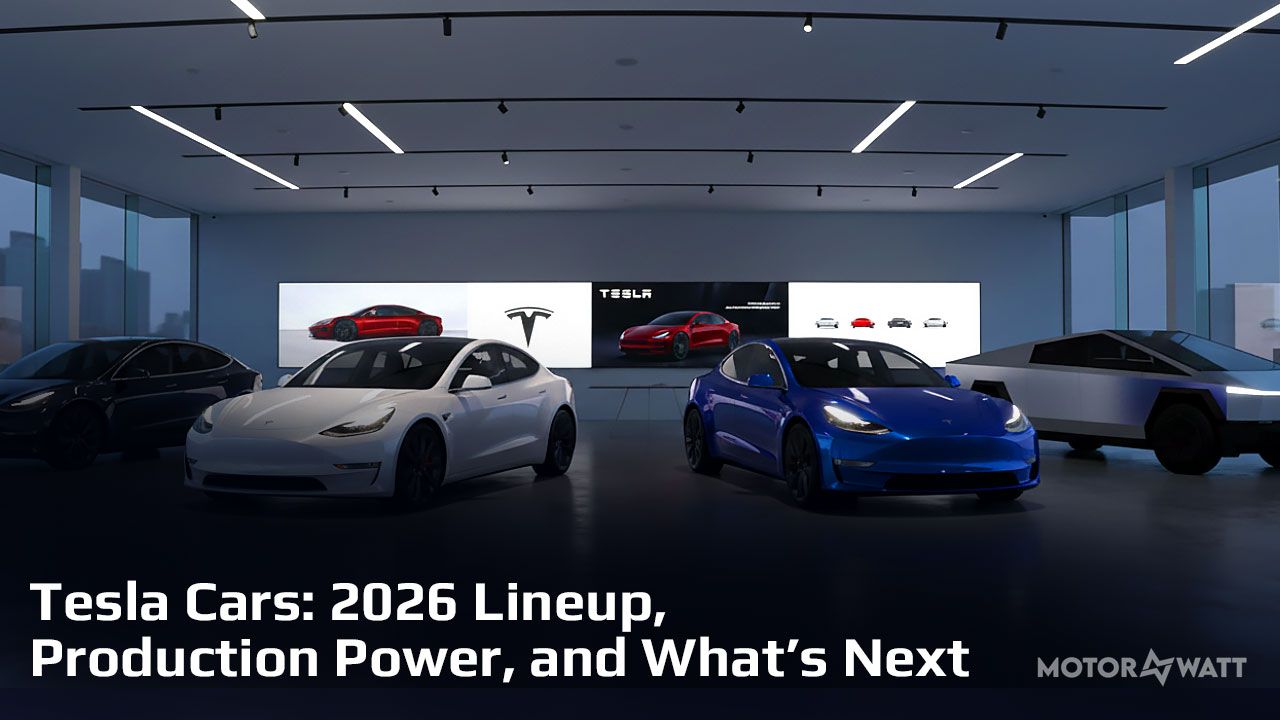
Tesla cars anchor the company’s dominance in electric mobility, blending efficiency, high performance, and renewable integration. As of late 2025, Tesla’s global network delivers over 2 million vehicles yearly, and the 2026 roadmap pushes the envelope with Robotaxi, Semi, and new affordable models.
Tesla cars lineup and 2025 production overview
Record-breaking production and deliveries
Tesla cars hit a major milestone in Q3 2025 with 447,450 vehicles produced and nearly 497,099 delivered-a record fueled by strong demand for the updated Model 3 and Model Y. These two models alone accounted for more than 97% of total production, showing Tesla’s continued grip on the global EV market.
- Q3 2025 Production: 447,450 units
- Deliveries: 497,099 units
- Model 3/Y share: 97% of total
The updated Model 3 and Model Y
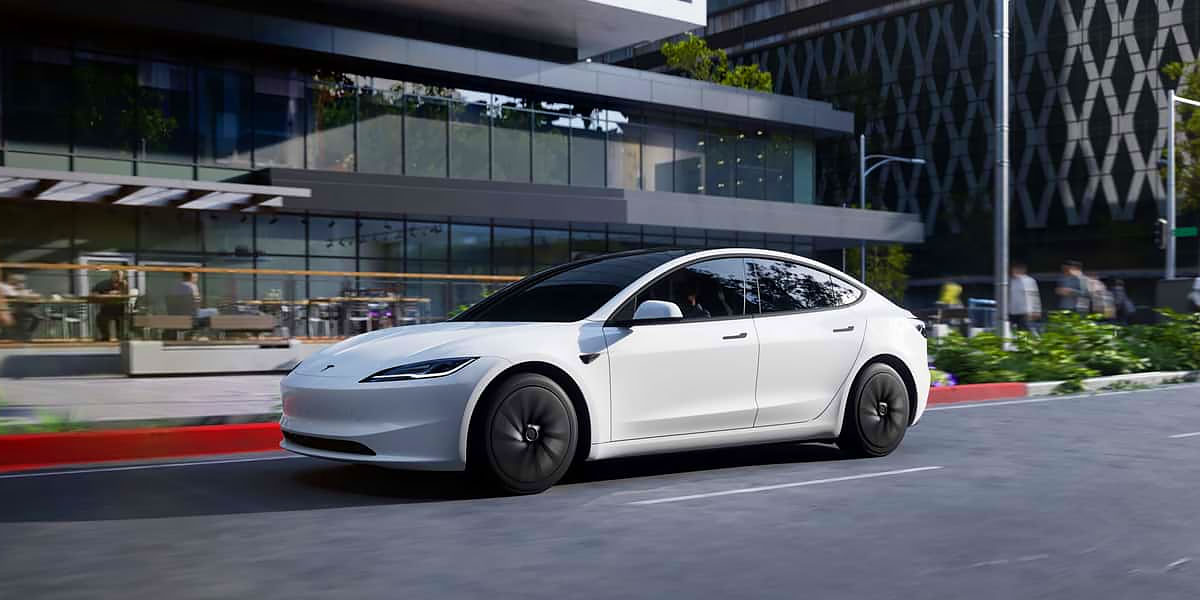
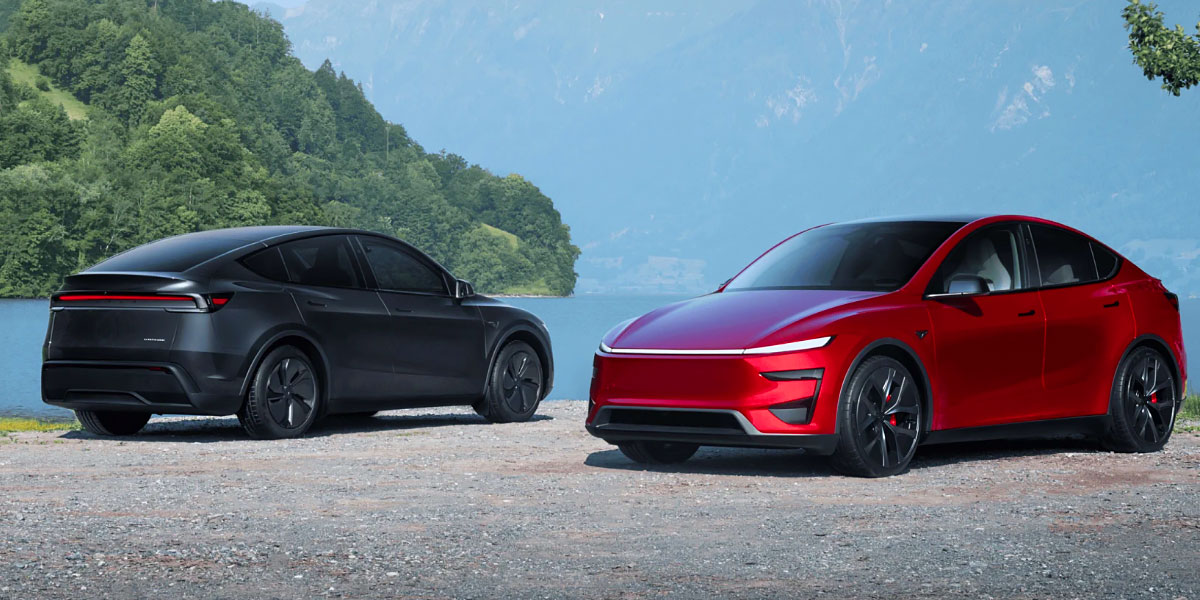
The refreshed Model 3 Highland and Model Y Juniper arrived with better aerodynamics, new interiors, and competitive pricing-starting at $36,990 and $39,990 respectively. They’re produced across Fremont, Texas, Shanghai, and Berlin, underscoring Tesla’s manufacturing flexibility and speed-to-market advantage.
Factory network powering Tesla’s global reach
Four main Gigafactories shaping production
Every Tesla car starts in one of four major Gigafactories. The Fremont plant in California remains the company’s cornerstone, handling Model S, Model X, and most U.S. Model 3 and Y builds. In China, Giga Shanghai runs near capacity, pushing out nearly a million cars a year and serving as Tesla’s export hub for Asia and Europe.
- Fremont Factory: 550,000 units/year
- Giga Shanghai: 950,000 units/year
- Giga Berlin: 375,000 units/year
- Giga Texas: 250,000+ units/year
Expanding the footprint with new projects
Tesla’s factory map is still growing. Giga Mexico, delayed until late 2026, is expected to add 1 million vehicles annually. Meanwhile, Giga Nevada ramps up battery output for the Semi and energy storage products, while lithium refining in Texas ensures material independence for future Tesla cars.
Energy storage and integration with Tesla cars
Powerwall and Megapack growth
Energy storage complements Tesla’s vehicle ecosystem. Powerwall home systems and utility-scale Megapacks collectively reached 12.5 GWh in Q3 2025-an 81% year-over-year increase. These units stabilize power grids and enable households to store renewable energy, further linking Tesla cars to sustainable living.
- Powerwall capacity: 13.5 kWh
- Megapack capacity: up to 3.9 MWh
Synergy between energy and vehicles
Integrating solar, battery storage, and electric mobility lets Tesla deliver a seamless ecosystem. For many owners, charging their Tesla cars from home solar arrays isn’t just eco-friendly-it’s cost-efficient and future-proof.
2026 roadmap: new Tesla cars and technology
Robotaxi and autonomous ambitions
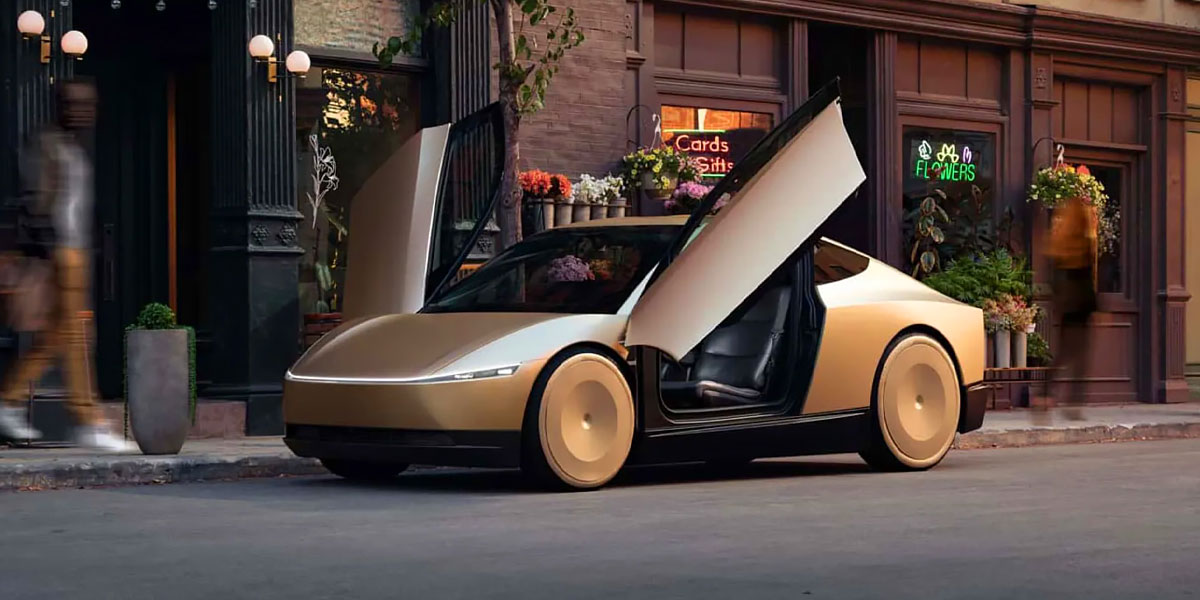
Starting 2026, Tesla introduces the long-awaited Robotaxi-an affordable, steering-wheel-free two-seater projected at around $30,000. Built at Giga Texas using the new “unboxed” process, it promises major cost reductions and mass accessibility. Tesla’s Full Self-Driving (FSD) will finally see large-scale rollout, with testing already underway in Austin.
- Price: ~$30,000
- Factory: Giga Texas
- Autonomy level: Unsupervised FSD (test phase mid-2025)
Tesla Semi and heavy-duty electrification
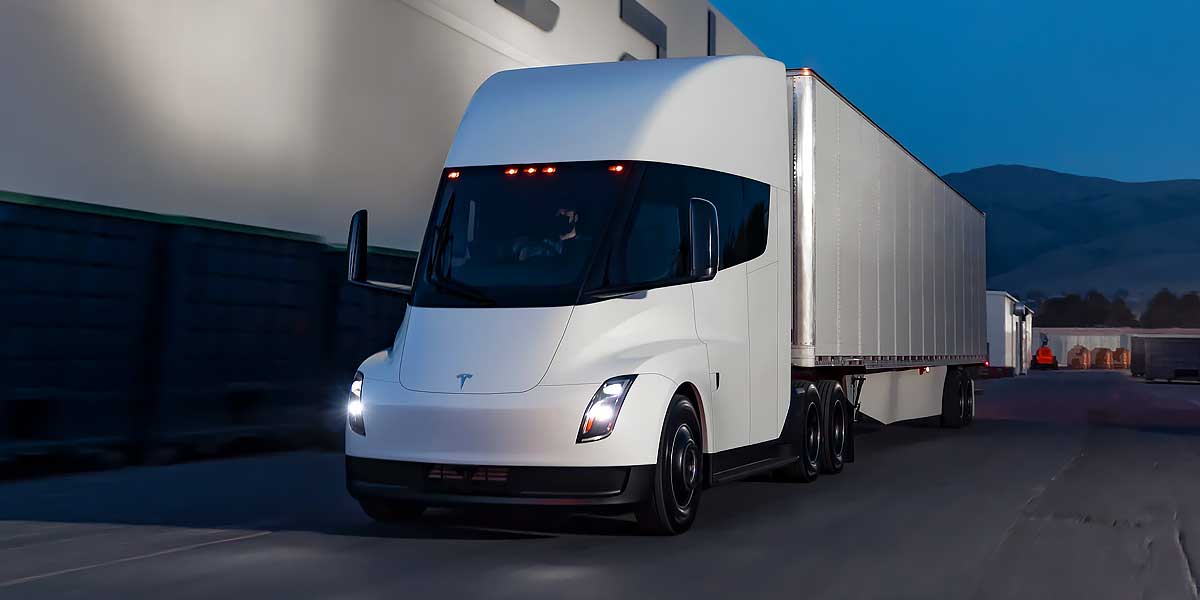
The Tesla Semi, entering full-scale production in 2026, represents the company’s push into commercial logistics. Built in Giga Nevada, the Semi leverages 4680 cells and aims for an annual capacity of 50,000 units. Expect massive torque, near-zero emissions, and long-haul efficiency unmatched by diesel competitors.
Performance icons: Tesla Roadster and Cybertruck
The next-gen Tesla Roadster
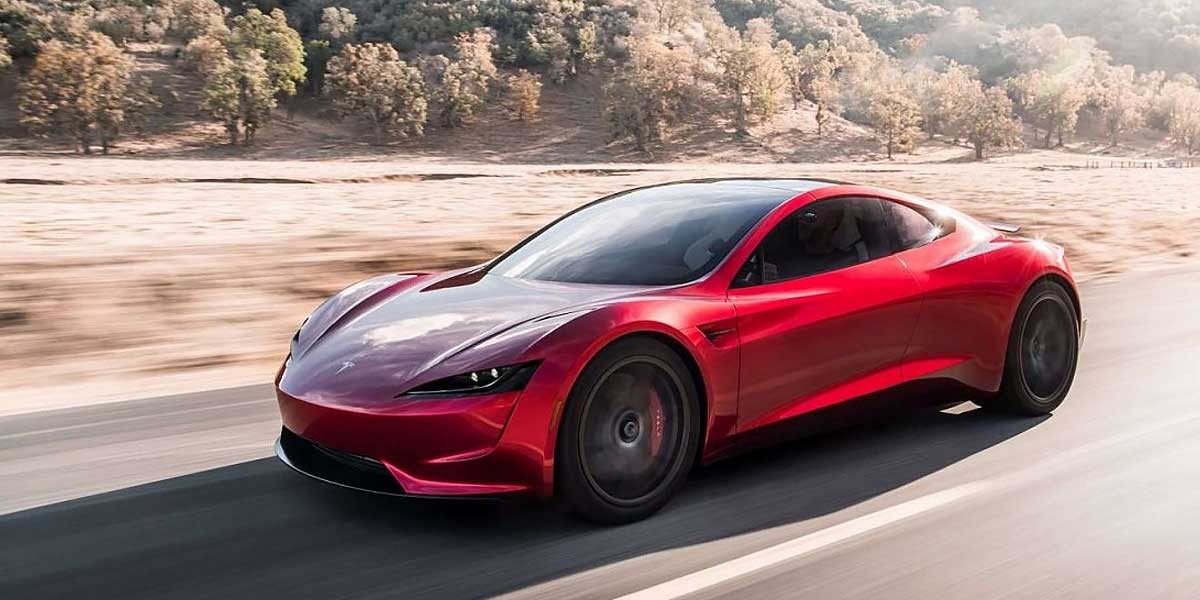
The revived Roadster, slated for late 2026, merges hypercar performance with sci-fi flair-reportedly capable of “hovering” for brief moments, courtesy of SpaceX-inspired tech. With an estimated price tag north of $200,000, it’s not for everyone, but it underscores Tesla’s engineering audacity.
- Range: 620 miles (projected)
- 0-60 mph: under 2 seconds
- Price: ~$200,000+
Cybertruck ongoing evolution
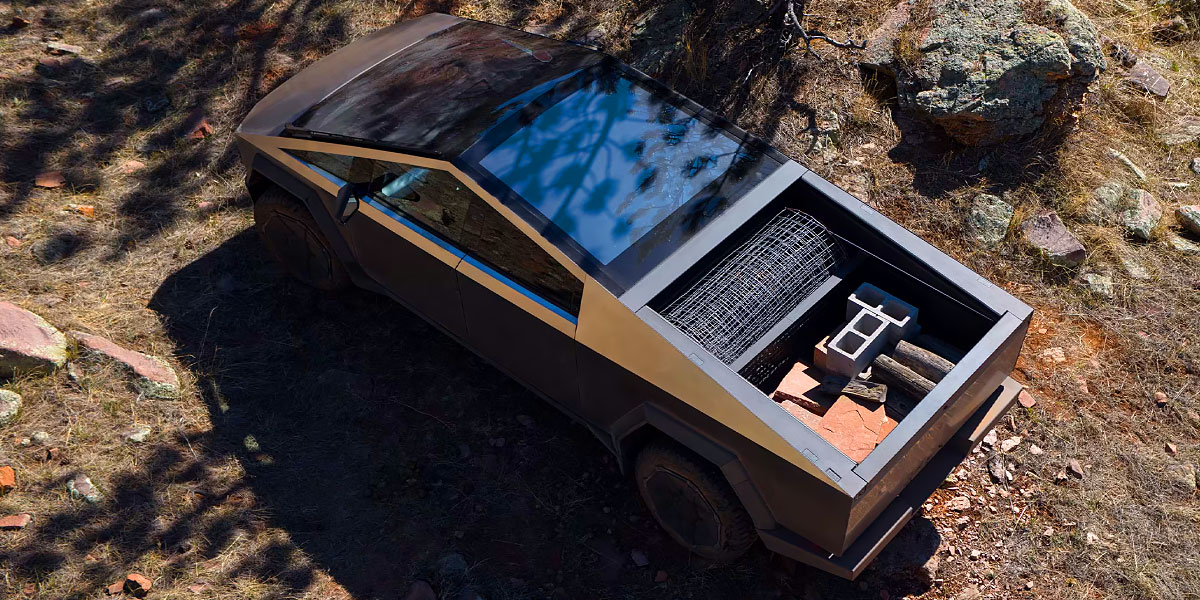
The Cybertruck, after a turbulent launch in 2023, continues its production ramp-up at Giga Texas. Its stainless-steel exoskeleton, 11,000-lb towing capacity, and 340-mile range make it as much a conversation piece as a workhorse.
- Range: up to 340 miles
- Towing: 11,000 lbs
- Drive: AWD
Battery innovations shaping future Tesla cars
4680 cells and dry cathode breakthroughs
Tesla’s upcoming NC05 variant of its 4680 cell aims to cut manufacturing costs and improve durability. Dry cathode tech and expanded 100 GWh capacity at Giga Nevada will power 1.5 million EVs annually, reducing reliance on external suppliers.
LFP lines and new chemistry for 2026
By Q1 2026, Tesla’s LFP (lithium iron phosphate) lines in Nevada will support next-gen battery packs for affordable models and the Megapack 3. It’s a cost-effective and thermally stable chemistry that fits perfectly with Tesla’s mass-market goals.
Price outlook for Tesla cars and future releases
Estimated prices for 2025-2026 Tesla lineup
Here’s a quick look at current and expected prices for key models, based on Tesla’s production data and 2026 projections. (Conversion rate used: $1 = €0.93)
| Model 3 Highland | |
| Model Y Juniper | |
| Model S Plaid | |
| Model X Plaid | |
| Cybertruck AWD | |
| Roadster (2026) | |
| Robotaxi (2026) | |
| Tesla Semi (2026) |
Final thoughts on Tesla cars and what’s next
Pros
- Wide EV lineup covering all segments
- Strong production capacity across global Gigafactories
- Innovative technology and battery advancements
- Growing energy ecosystem complementing vehicle sales
Cons
- FSD adoption still low
- European market competition rising
- Quality control challenges persist with newer models
Why Tesla cars remain the benchmark for electric mobility
Tesla cars continue to push electric mobility forward, from the accessible Model 3 to the futuristic Robotaxi. With expanding factories, evolving batteries, and an ambitious 2026 strategy, Tesla stays ahead by turning innovation into scale-and scale into everyday electrification.
Related Video