

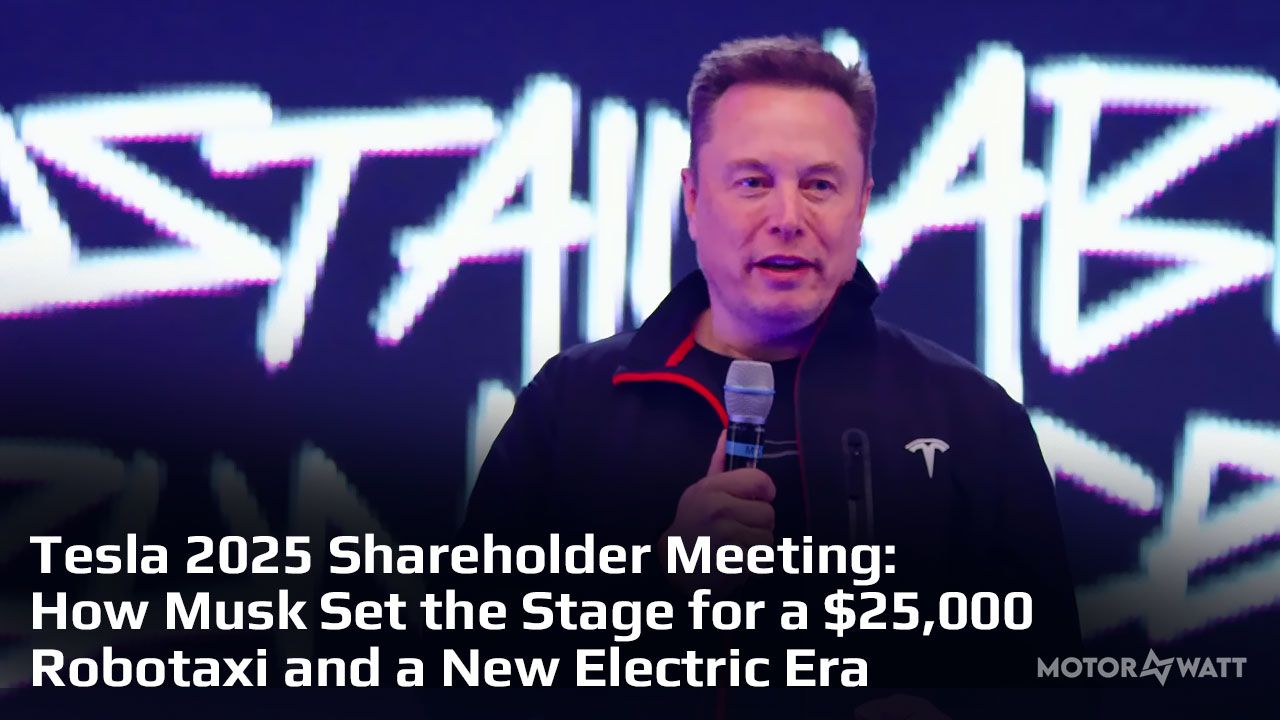
The Tesla 2025 Shareholder Meeting outlines Musk’s roadmap for Cybercab robotaxi production in 2026, Roadster 2.0 with sub-one-second acceleration, Semi 2.0’s 500-mile capability and several sub-$30,000 EVs, reshaping expectations for electric mobility in the United States.
Tesla 2025 Shareholder Meeting and Cybercab Robotaxi Plans
Robotaxi details finally arrive with firm timelines
For years, the idea of a fully autonomous Tesla meant heated debates, meme-worthy delays and plenty of raised eyebrows. During the Tesla 2025 Shareholder Meeting, the Cybercab stepped forward as the centerpiece of short-term ambitions. Production begins in April 2026, and early rides in Austin target June 2026. The Tesla 2025 Shareholder Meeting stayed anchored around autonomy, cost efficiency and the promise of sub-$25,000 robotaxi mobility.
- Target price: Under $25,000
- Autonomy level: Unsupervised FSD pending approval
- Charging: Inductive wireless pad
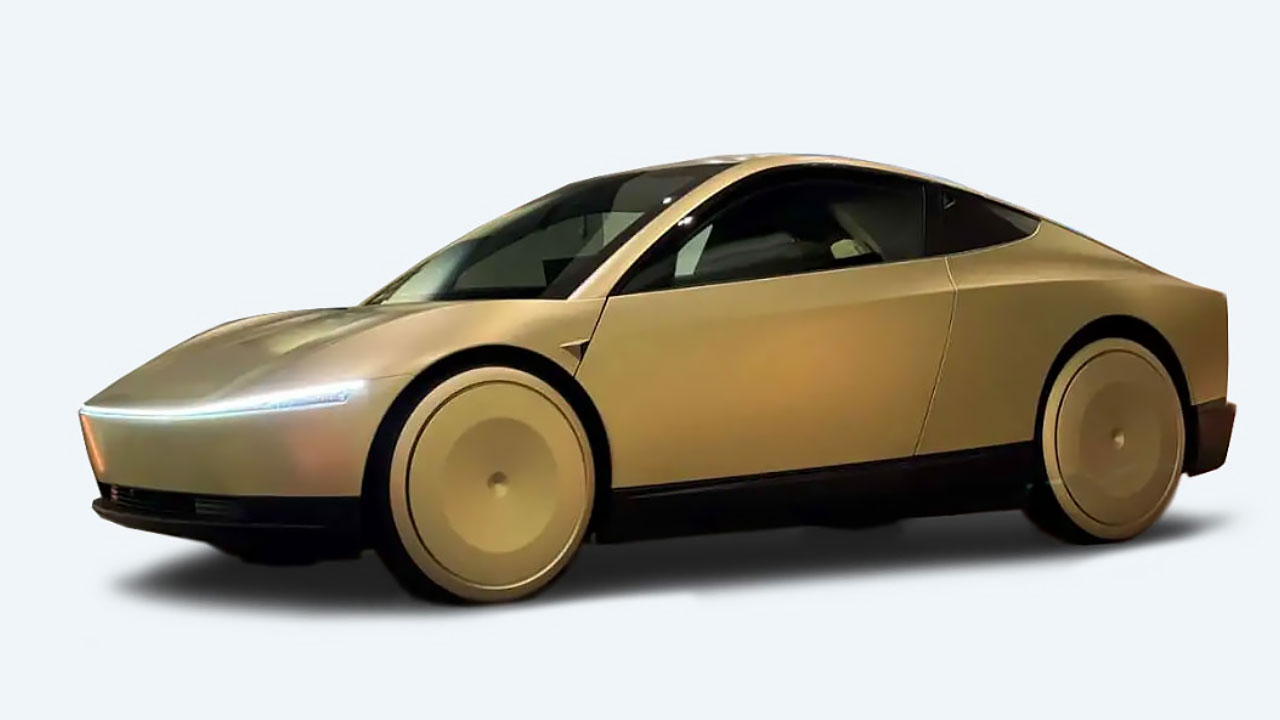
Exterior and interior approach
The Cybercab cuts traditional driving controls entirely — no wheel, no pedals, single panoramic screen. The vehicle is optimized for nonstop duty cycles, making operating cost a selling point. Early cost-per-mile numbers hover near 20 cents, cheaper than owning a standard sedan or hailing a current rideshare. Those economics, if achieved, could shift urban mobility faster than any past EV rollout.
Roadster 2.0 Performance Figures and Musk’s Sub-One-Second Claims
Acceleration unlike anything on public roads
The Roadster 2.0 reappeared with numbers usually found in gaming physics rather than real cars. Musk’s claim of 0–60 mph in under one second with the SpaceX thruster option created a stir. Even the non-thruster version sits near the 1.1-second mark. That’s quicker than the Rimac Nevera’s 1.74-second record. The Tesla 2025 Shareholder Meeting turned what was once an April Fool’s Day gag into a spring 2026 launch window.
- Acceleration: 0.89–1.1 sec (estimated)
- Top speed: Over 250 mph
- Range: Approx. 620 miles
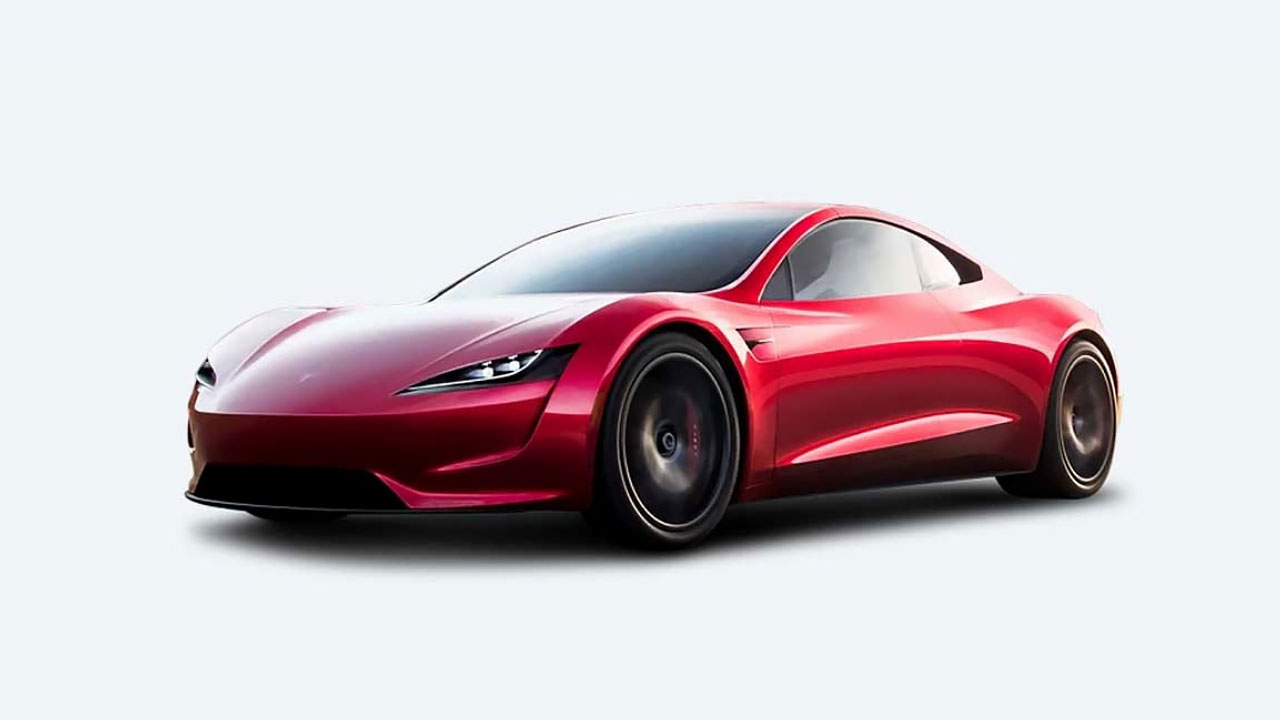
Design built around distance and downforce
Unlike the original two-seater, the new Roadster seats four and still incorporates a low-slung pack using high-density cells. Range at 620 miles converts to nearly 997 kilometers, roughly triple what early mass-market EVs offered just a decade ago. That long distance gives the hyper-EV the legs for cross-state trips without frequent stops.
Tesla Semi 2.0 Range, Charging Speed and Fleet Impact
Trucking enters an electric pivot point
Hidden underneath the splashy Roadster clips was the Semi 2.0 update — perhaps the most financially impactful product from the Tesla 2025 Shareholder Meeting. Designed for freight routes with a 500-mile real-world figure (around 804 kilometers), the truck aligns with daily long-haul averages. PepsiCo and Walmart already booked early builds, signaling strong corporate interest.
- Range: 500 miles
- Charging: Up to 1.2 MW
- Energy added: ~400 miles in 30 minutes
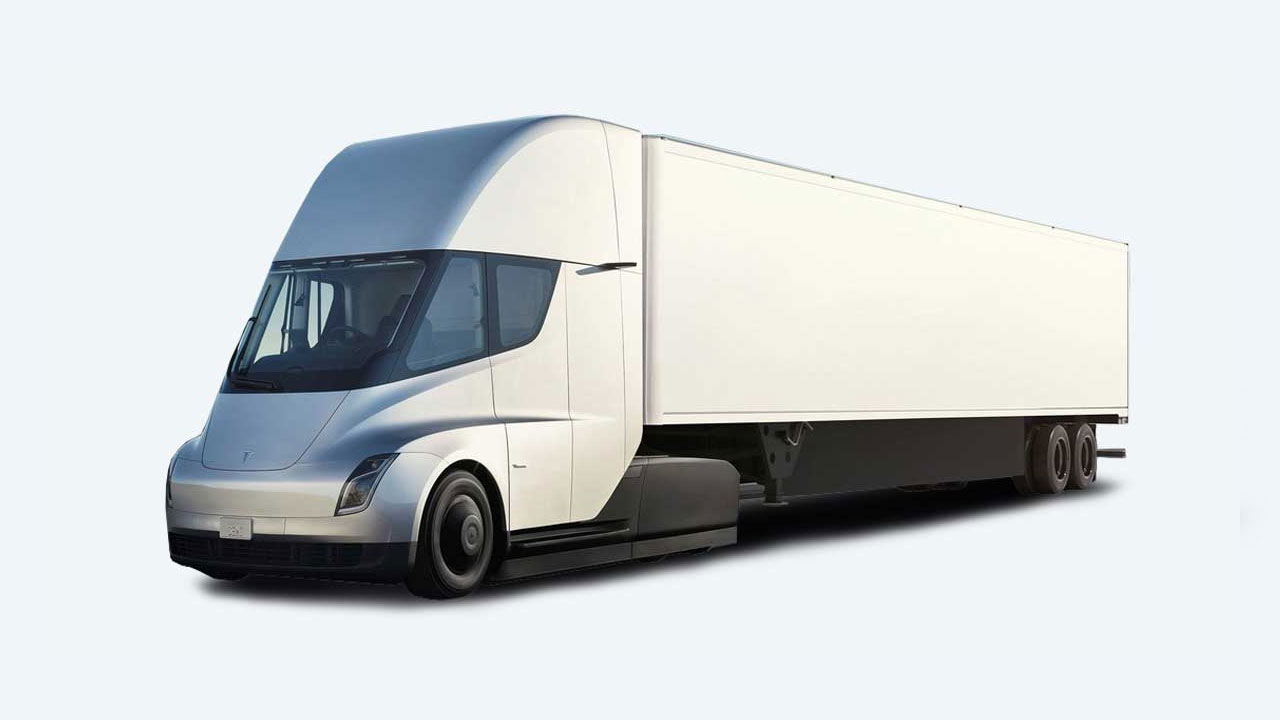
Cab-centered ergonomics and low-cost freight transport
The centered driver seat with twin screens creates an enclosed command hub. Over five years, cost-of-ownership projections aim to cut diesel costs in half. Should those numbers verify across nationwide fleet trials, the trucking sector faces a structural shift similar to what Model S once did to luxury sedans.
Optimus Production Forecast and Tesla AI5 Chip Plans
From concept to factory floor deployment
Optimus moved from proof-of-concept curiosity to factory-ready labor. Limited production begins early 2026 in Fremont, with tasks focused on repetitive line work. The Tesla 2025 Shareholder Meeting reinforced the idea that robots fill labor gaps rather than replace skilled positions immediately. Musk expects several thousand units by year-end.
- Initial role: Repetitive factory tasks
- Production start: Early 2026
- External shipments: Late 2026
AI5 chip fabrication and autonomy targets
Musk also confirmed a partial in-house fab for the AI5 inference processor, the brain behind Cybercab and Optimus. While TSMC remains the primary supplier, internal fabrication strengthens control over timing and cost. Autonomy approval in Europe could arrive in Q1 2026, with China not far behind — greatly expanding robotaxi market access.
Tesla Under $30,000 Models and the Affordable EV Push
Multiple low-cost models arriving by 2026
The Tesla 2025 Shareholder Meeting finally reassured buyers who feared an EV price ceiling. Several sub-$30,000 models arrive in the first half of 2026, all built on a cost-saving unboxed manufacturing format. These aren’t stripped-down Model 3s; they’re clean-sheet designs meant for rapid, modular assembly.
- Price target: Below $30,000
- Production: Texas, Shanghai, Mexico
- Launch window: H1 2026
Current lineup also shifts pricing
The refreshed Model 3 Standard Range entered the U.S. at $38,990, roughly €35,000 when applying a conversion rate near 0.90. With 300+ miles (around 483 km) per charge, it still appeals to buyers unable to wait for the 2026 roster.
| Model | Price (USD) |
|---|---|
| Model 3 Standard Range | $38,990 |
| Next-Gen Sub-$30K EV | ~$29,000 |
| Cybercab Robotaxi | ~$25,000 (at scale) |
| Roadster 2.0 | $200,000+ |
Market Impact and Buyer Expectations from the Tesla 2025 Shareholder Meeting
An EV lineup spanning every buying segment
By late 2026, Tesla aims to cover nearly all price and performance categories. From Cybercab for urban users to Roadster 2.0 for thrill seekers and Semi 2.0 for logistics, the Tesla 2025 Shareholder Meeting showcased a tactical spread rather than a narrow focus. This reshapes how future EV buyers might weigh purchase timing.
- Robotaxi availability: Mid-2026
- Sub-$30K cars: H1 2026
- Roadster deliveries: April 2026
Industry reaction and competitive pressure
Legacy brands now face a wide gap in cost structure and autonomy progress. If Toyota, Ford, Volkswagen or Hyundai fail to match a $25,000 self-driving vehicle on similar timing, Tesla gains years of advantage in volume and software revenue streams.
Final Thoughts and Buyer Guidance
Pros
- Broad EV lineup priced for multiple budgets
- Near-term robotaxi deployment
- Advanced AI5 chip strategy
- Roadster 2.0 performance leadership
- Semi 2.0 freight cost benefits
Cons
- High risk of missed timelines
- Regulatory delays possible
- Unboxed manufacturing complexity
- Autonomy challenges still unresolved
Overall takeaway
The Tesla 2025 Shareholder Meeting signals an aggressive push into affordable autonomy, long-distance performance, low-cost freight transport and factory-level robotics. For buyers deciding whether to purchase now or wait, mid-2026 may open one of the widest EV lineups ever offered in the American market.
Related Video