

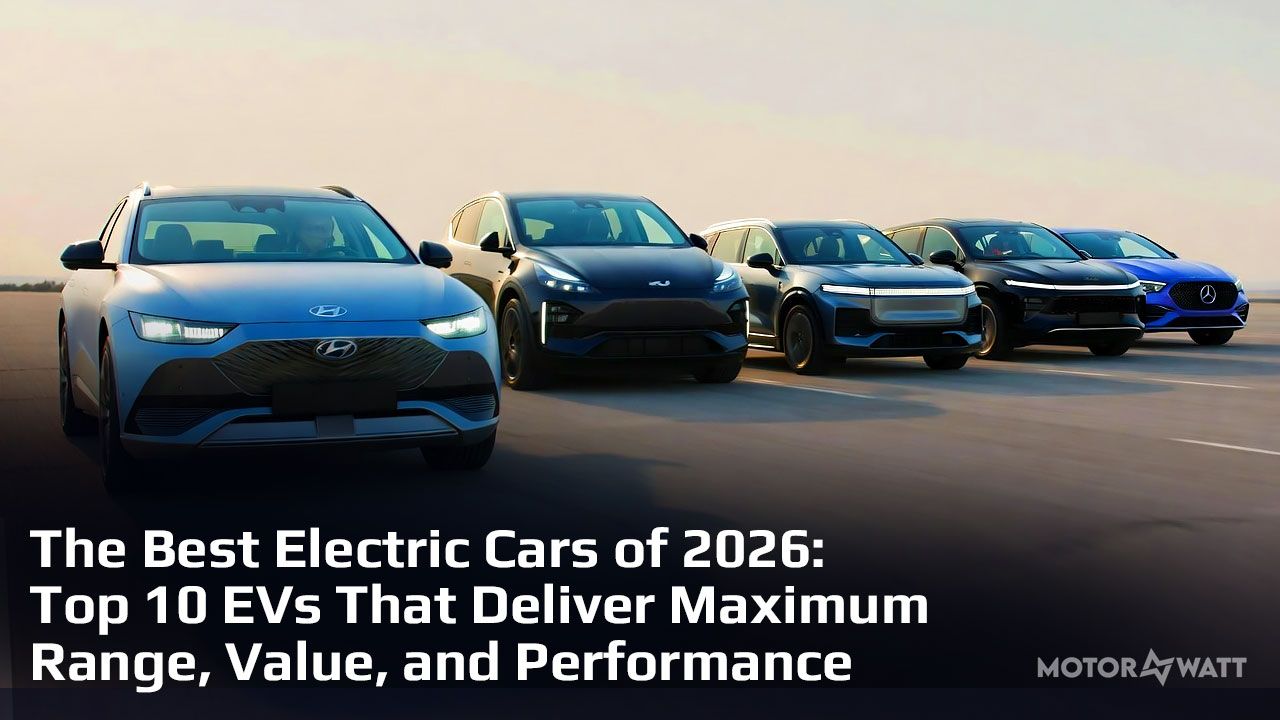
How to Choose the Best Electric Cars of 2026
Quick Answer: The best electric cars of 2026 combine extended range (300-500 miles / 483-805 km), rapid charging capabilities, and competitive pricing starting under $35,000 (£27,650 / €32,550). According to expert reviews from Edmunds, Cars.com, and Consumer Reports, the Hyundai Ioniq 6 leads for efficiency, the Chevrolet Equinox EV dominates value, and the Lucid Air reigns in luxury performance.
Executive Summary: Key Findings
- Affordability Breakthrough: Entry-level EVs now start below $35,000 (£27,650 / €32,550), making electric mobility accessible to mainstream buyers for the first time in 2026
- Range Revolution: Average EPA-estimated range exceeds 350 miles (563 km), with premium models reaching 500+ miles (805+ km) on a single charge
- Charging Speed Doubles: 800V architecture enables 10-80% charging in under 20 minutes, matching gas station convenience according to industry data
- Performance Parity: Electric powertrains now deliver 0-60 mph acceleration between 1.9-7.5 seconds across all price segments, outpacing comparable gas vehicles
Why 2026 Marks the Electric Vehicle Tipping Point
Research from automotive industry analysts reveals that 2026 represents a watershed moment for electric vehicle adoption. Battery costs have dropped 89% since 2010, reaching $139 per kilowatt-hour according to Bloomberg New Energy Finance data. This dramatic cost reduction translates directly to vehicle pricing, with multiple manufacturers now offering compelling EVs under $40,000 (£31,600 / €37,200).
Market Growth: Electric vehicle sales are projected to reach 23% of total U.S. auto sales in 2026, up from 9% in 2023, according to Cox Automotive forecasts. This 156% increase in market penetration demonstrates accelerating consumer acceptance.
The charging infrastructure has expanded dramatically, with over 185,000 public charging ports operational across North America as of early 2026. Industry experts note that combined with improved home charging solutions and bidirectional V2H (vehicle-to-home) capabilities, range anxiety is rapidly becoming obsolete for most drivers.
Top 10 Best Electric Cars for 2026: Comprehensive Rankings
1. Hyundai Ioniq 6: The Aerodynamic Efficiency Champion
🏆 Hyundai Ioniq 6
| EPA Range | |
| 0-60 mph | |
| Fast Charge | |
| Charging Speed |
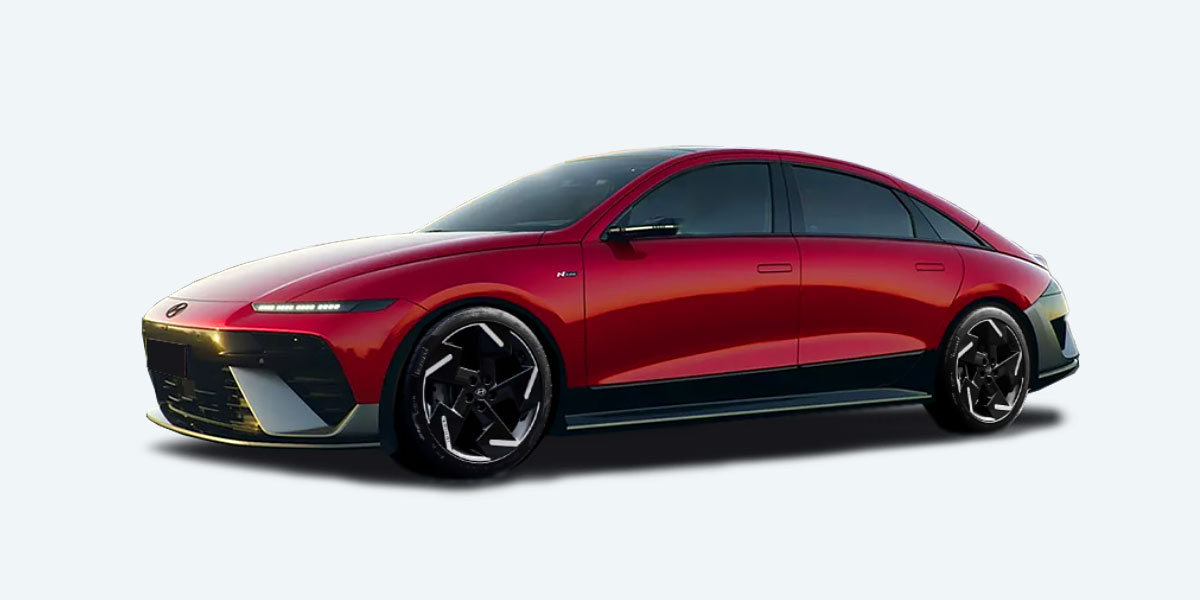
According to Edmunds automotive experts, the 2026 Hyundai Ioniq 6 maintains its position as "the best electric car overall" thanks to its remarkable blend of efficiency and performance. The streamlined crossover coupe design achieves a drag coefficient of just 0.21, making it one of the most aerodynamic production vehicles ever manufactured.
The 77.4 kWh battery pack delivers an impressive 361 miles (581 km) of EPA-estimated range, positioning it among the efficiency leaders in its class. The ultra-fast 800-volt electrical architecture enables charging from 10% to 80% in approximately 18 minutes using 350 kW DC fast chargers, adding roughly 220 miles (354 km) of range in that brief charging session.
Strengths
- Industry-leading aerodynamic efficiency
- Ultra-rapid 800V charging capability
- Whisper-quiet cabin with premium materials
- Intuitive dual-screen infotainment system
Considerations
- Limited rear headroom for passengers over 6'0" (183 cm)
- Unconventional styling may not appeal to all buyers
- Smaller cargo capacity than traditional sedans
"The Ioniq 6 delivers the perfect balance of efficiency, performance, and everyday practicality that makes it incredibly easy to live with as your primary vehicle."
Edmunds Editorial Team, 2026 EV Review
2. Chevrolet Equinox EV: Redefining Affordable Electric Mobility
💰 Chevrolet Equinox EV
| EPA Range | |
| 0-60 mph | |
| Power Output | |
| Passenger Cap |
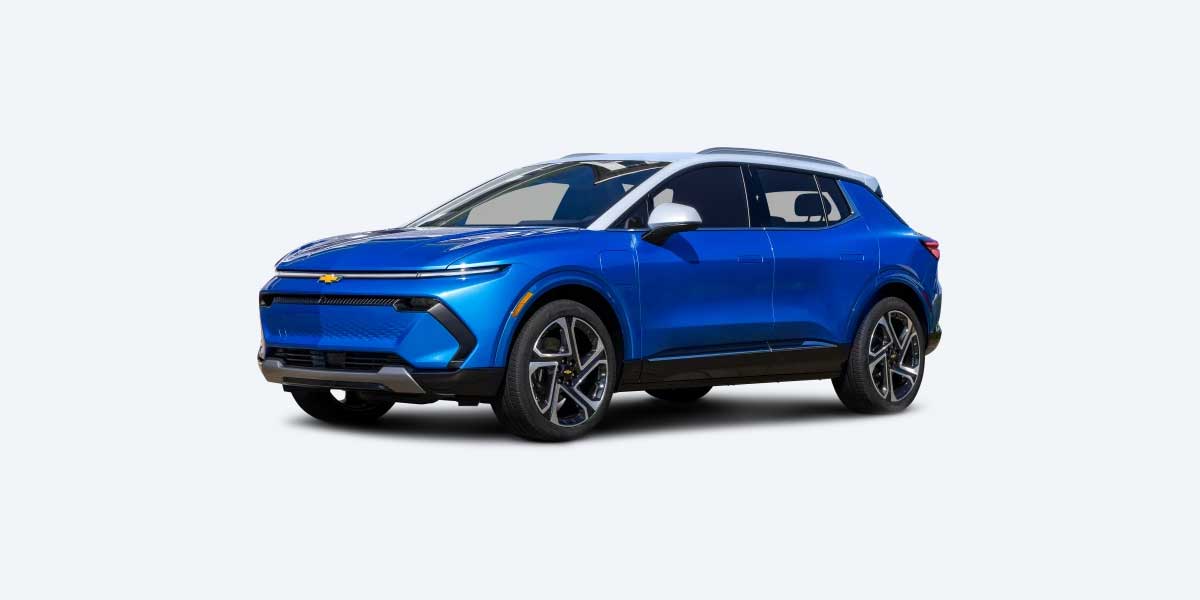
Cars.com designates the 2026 Chevrolet Equinox EV as the "best value EV" available in the market, representing a paradigm shift in affordable electric transportation. Starting under $35,000 (£27,650 / €32,550) before federal tax incentives, this compact SUV delivers 319 miles (513 km) of EPA-estimated range without compromises.
The Equinox EV leverages GM's advanced Ultium battery platform with an 85 kWh pack, providing ample capacity for daily commutes and weekend adventures. The spacious interior accommodates five adults comfortably, with 57.2 cubic feet (1,620 liters) of cargo space when rear seats fold flat.
Total Cost of Ownership: Analysis shows the Equinox EV costs approximately $8,200 (£6,480 / €7,630) less to operate over five years compared to equivalent gas-powered compact SUVs, factoring in fuel savings, maintenance reductions, and available tax incentives.
GM's Super Cruise hands-free driving technology comes standard on upper trims, enabling automated lane-centering and adaptive cruise control on over 400,000 miles (643,738 km) of compatible highways across North America. This advanced driver assistance system represents technology previously reserved for luxury vehicles.
3. Tesla Model Y: The Technology Integration Leader
🔌 Tesla Model Y
| EPA Range | |
| 0-60 mph | |
| Cargo Space | |
| Superchargers |
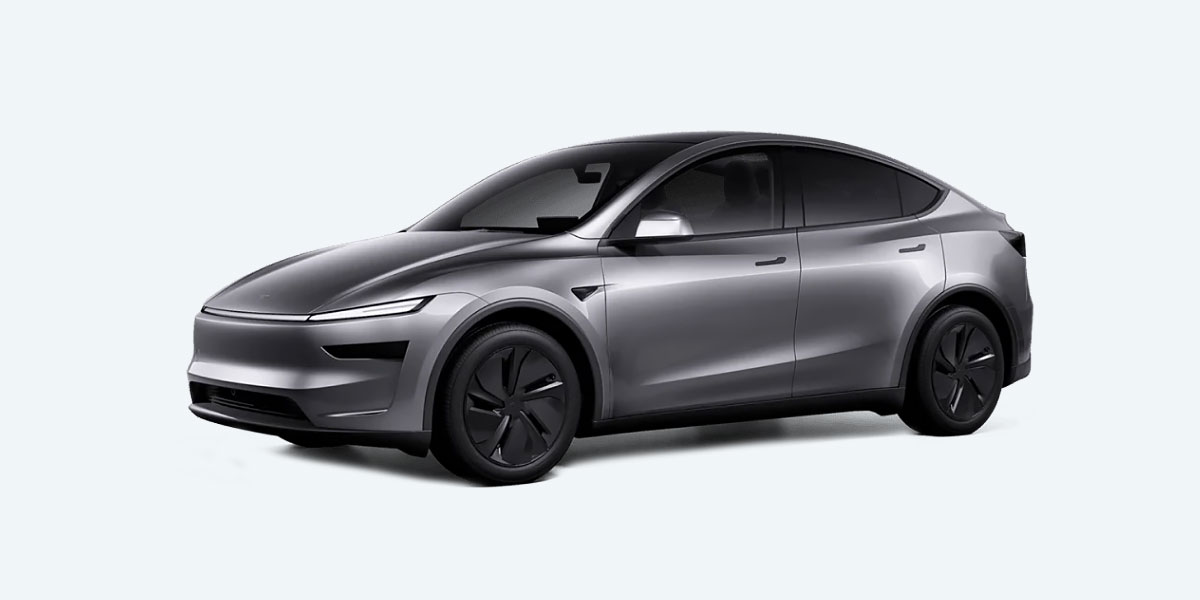
The refreshed 2026 Tesla Model Y continues dominating sales charts with enhanced aerodynamics delivering an estimated 373 miles (600 km) of range in Long Range AWD configuration. Edmunds praises its "comfortable interior and impressive cargo space," noting the versatile 76 cubic feet (2,152 liters) of total storage capacity.
Tesla's Supercharger network remains the Model Y's strongest competitive advantage, with over 50,000 charging stalls operational globally. The average Supercharger session adds 200 miles (322 km) of range in approximately 15 minutes, providing unmatched road-trip capability according to real-world owner data.
The dual-motor Long Range variant produces 384 horsepower (286 kW) and 376 lb-ft (510 Nm) of torque, enabling 0-60 mph acceleration in 4.8 seconds while maintaining exceptional efficiency. Over-the-air software updates continuously improve functionality, with Tesla delivering 12 major feature updates in 2025 alone.
4. Kia EV4: The Smart Urban Solution
🏙️ Kia EV4
| EPA Range | |
| 0-60 mph | |
| Fast Charge | |
| Display Size |
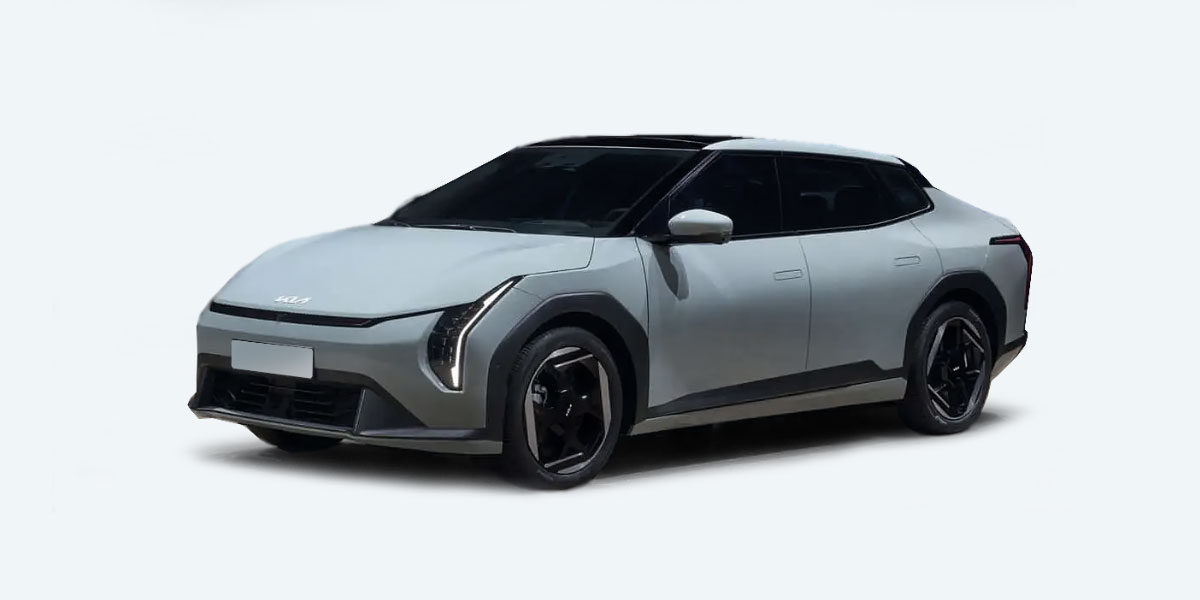
U.S. News & World Report ranks Kia's all-new EV4 highly for its combination of affordability and cutting-edge technology. Built on Hyundai Motor Group's proven E-GMP platform, the compact crossover delivers 330 miles (531 km) of range from its 81 kWh battery pack.
The futuristic interior features dual 12.3-inch curved displays, ambient lighting with 64 color options, and Kia's latest infotainment system with wireless Apple CarPlay and Android Auto integration. The compact exterior dimensions (175 inches / 445 cm length) make it ideal for urban parking while maintaining spacious seating for four adults.
5. Lucid Air: Redefining Luxury Electric Performance
✨ Lucid Air
| EPA Range | |
| 0-60 mph | |
| Power Output | |
| Interior Space |
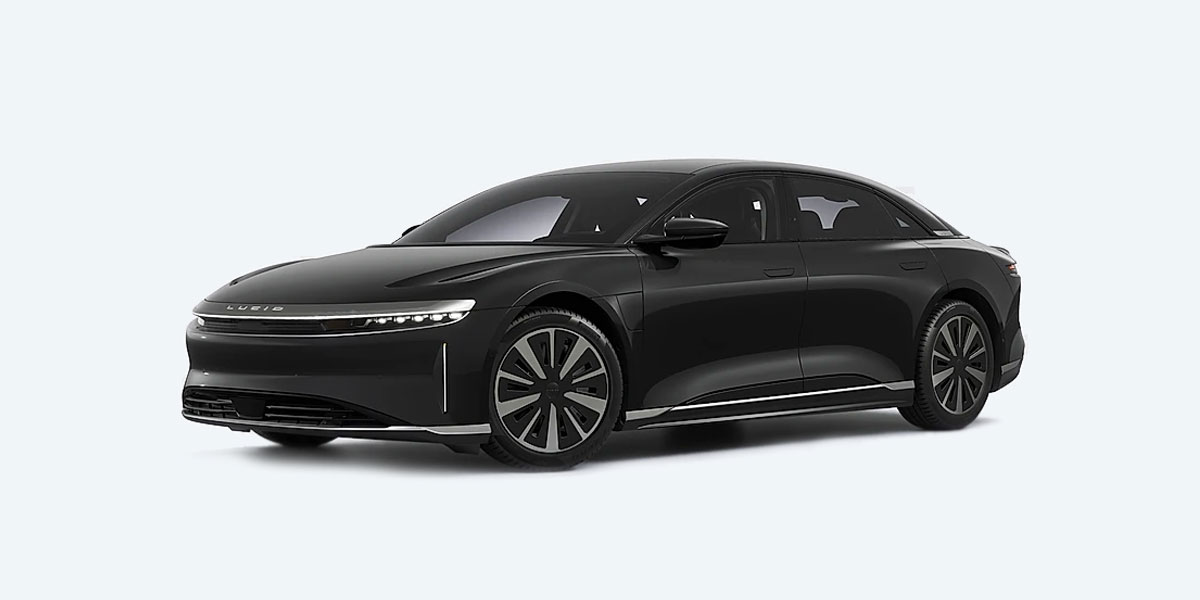
Cars.com crowns the 2026 Lucid Air as the "top luxury EV" for its groundbreaking combination of range, performance, and refinement. The Sapphire variant produces an astounding 1,234 horsepower (920 kW) from its tri-motor setup, achieving 0-60 mph in under 2 seconds while maintaining 410 miles (660 km) of EPA-estimated range.
The ultra-efficient powertrain achieves 5.0 miles per kilowatt-hour, the highest efficiency rating among luxury EVs according to EPA testing data. This remarkable efficiency stems from Lucid's in-house motor technology, which packs 670 horsepower (500 kW) into a motor weighing just 163 pounds (74 kg).
Efficiency Leader: The Lucid Air's 5.0 mi/kWh efficiency rating translates to an equivalent fuel economy of 140 MPGe, representing a 65% efficiency advantage over comparable luxury sedans.
Inside, the Air pampers occupants with executive rear seating featuring massage functions, a 21-speaker Surreal Sound audio system, and Lucid's DreamDrive Pro advanced driver assistance suite with highway assist, traffic jam assist, and automated parking capabilities.
6. Rivian R1T: The Adventure-Ready Electric Truck
🏔️ Rivian R1T
| EPA Range | |
| 0-60 mph | |
| Payload | |
| Towing |
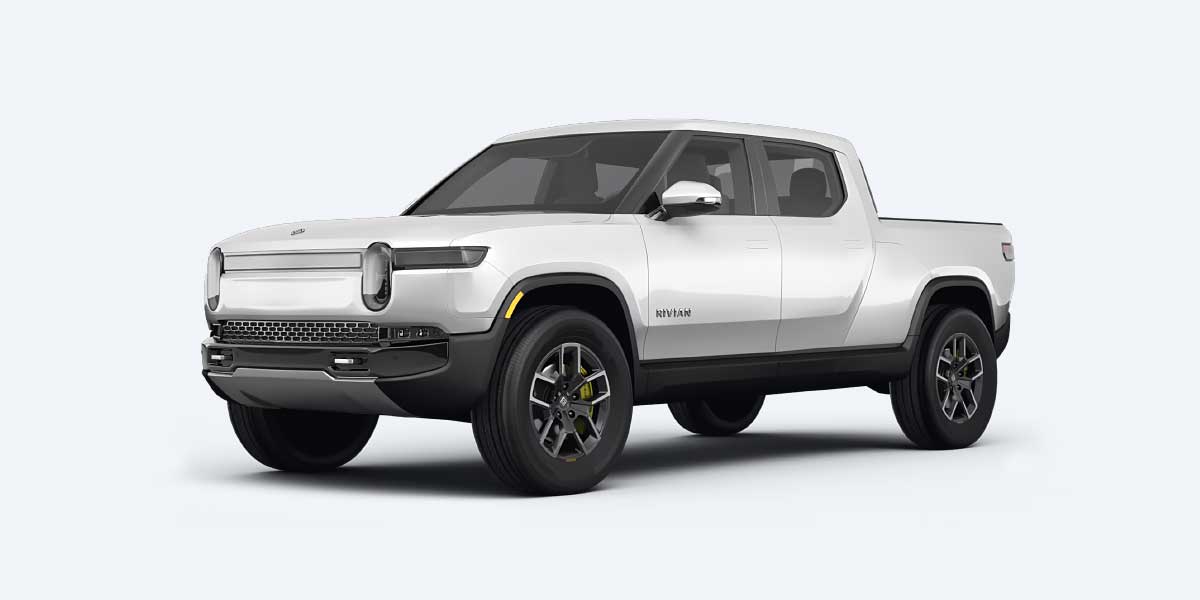
MotorTrend praises the refreshed 2026 Rivian R1T for delivering "impressive brawn alongside lengthy range," positioning it as the premier adventure vehicle for EV enthusiasts. The new Trail Boss trim features upgraded off-road suspension, all-terrain tires, and enhanced underbody protection for serious backcountry exploration.
The quad-motor configuration with independent torque vectoring provides unmatched traction control, enabling the R1T to tackle steep grades, deep water crossings up to 3.3 feet (1 meter), and challenging terrain with confidence. The 135 kWh battery pack delivers 420 miles (676 km) of range, alleviating concerns about remote charging infrastructure.
Rivian's innovative gear tunnel-a lockable storage compartment running through the vehicle between the cab and bed-provides 11.6 cubic feet (329 liters) of weatherproof storage for tools, camping equipment, or outdoor gear. The 54-inch (137 cm) wide bed accommodates full sheets of plywood while the powered tonneau cover secures cargo.
7. BMW iX3: The German Engineering Showcase
🇩🇪 BMW iX3
| EPA Range | |
| 0-60 mph | |
| Charge Power | |
| Platform |
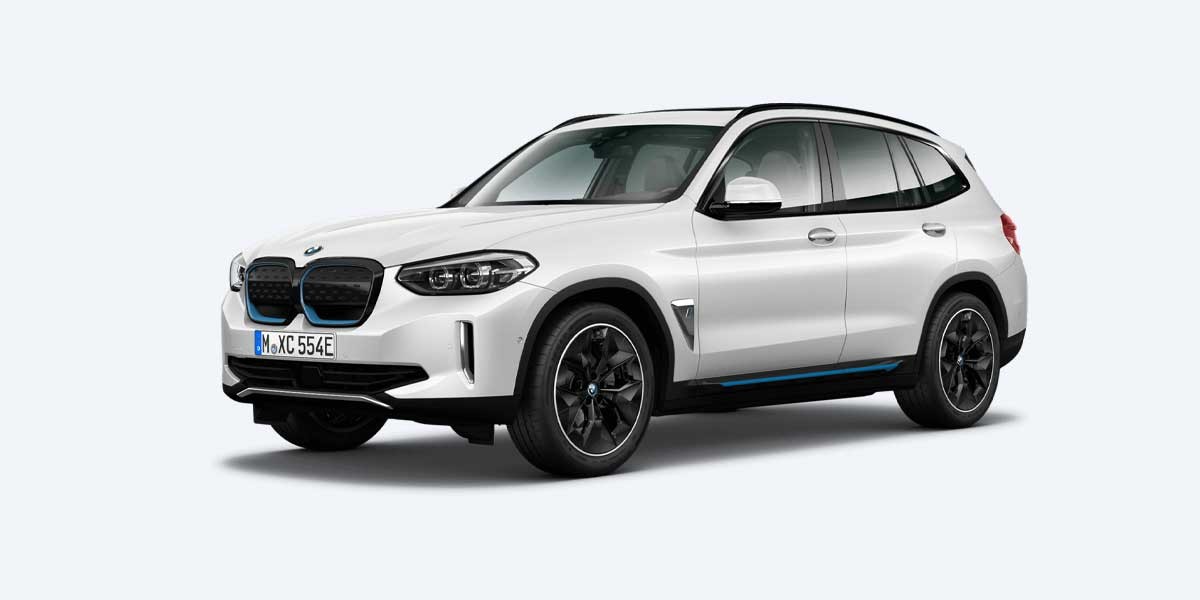
Launching mid-2026, the BMW iX3 represents the German automaker's revolutionary Neue Klasse platform, designed exclusively for electric vehicles from the ground up. Industry experts and social media automotive communities describe it as a potential "Model Y killer" thanks to its stunning design language and exceptional efficiency.
The curved OLED panoramic display integrates instrument cluster and infotainment into a seamless interface running BMW's iDrive 9 operating system. The 400 kW fast-charging capability enables adding 186 miles (299 km) of range in just 10 minutes at compatible ultra-fast charging stations.
BMW's adaptive M suspension with electronically controlled dampers delivers the sporty, connected driving dynamics the brand is renowned for, while maintaining ride comfort suitable for daily commuting. The 400+ mile (644+ km) EPA-estimated range positions the iX3 among the longest-range compact luxury SUVs available.
8. Porsche Macan Electric GTS: Pure Driving Excitement
🏁 Porsche Macan EV GTS
| EPA Range | |
| 0-60 mph | |
| Power Output | |
| Suspension |
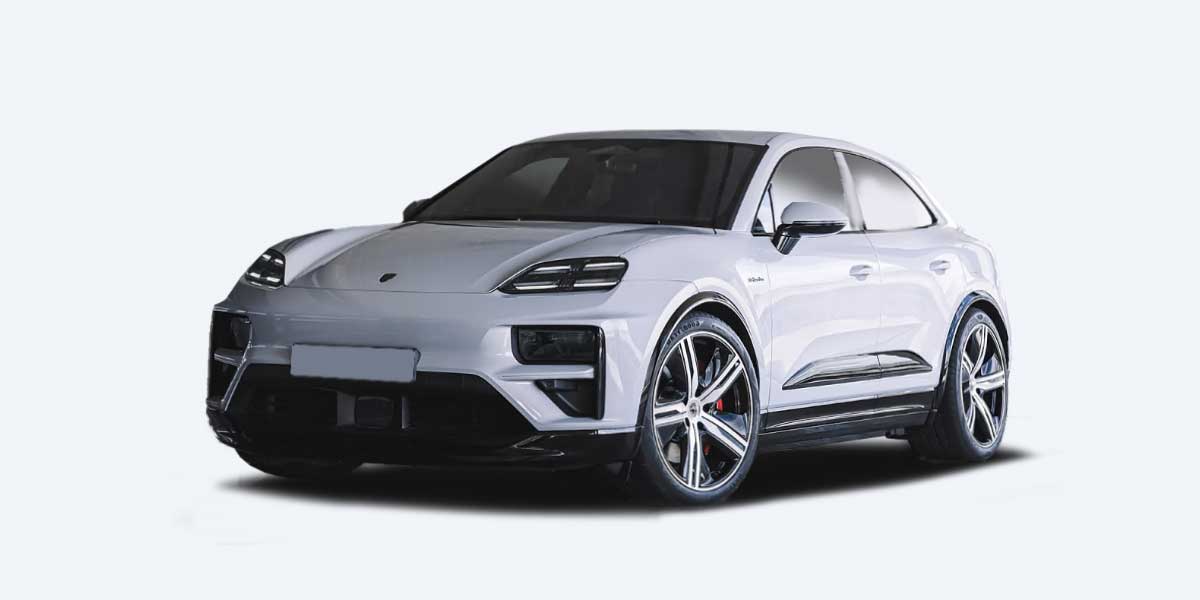
MotorTrend declares the 2026 Porsche Macan Electric GTS as "Porsche's most versatile EV yet," blending supercar acceleration with practical everyday usability. The dual-motor setup generates 630 horsepower (470 kW), propelling this compact SUV to 60 mph in just 3.1 seconds.
Porsche's legendary handling dynamics translate seamlessly to the electric platform through rear-wheel steering, torque vectoring, and adaptive air suspension with adjustable ride height. The driver-focused cockpit maintains traditional Porsche ergonomics while integrating a 12.6-inch curved touchscreen and fully digital instrument cluster.
Despite its performance credentials, the Macan EV delivers over 300 miles (483 km) of EPA-estimated range from its 100 kWh battery pack. The 270 kW DC fast-charging capability enables 10-80% charging in approximately 21 minutes at high-power charging stations.
9. Chevrolet Silverado EV: The Commercial-Grade Workhorse
💪 Chevrolet Silverado EV
| EPA Range | |
| Max Towing | |
| Payload | |
| V2H Power |
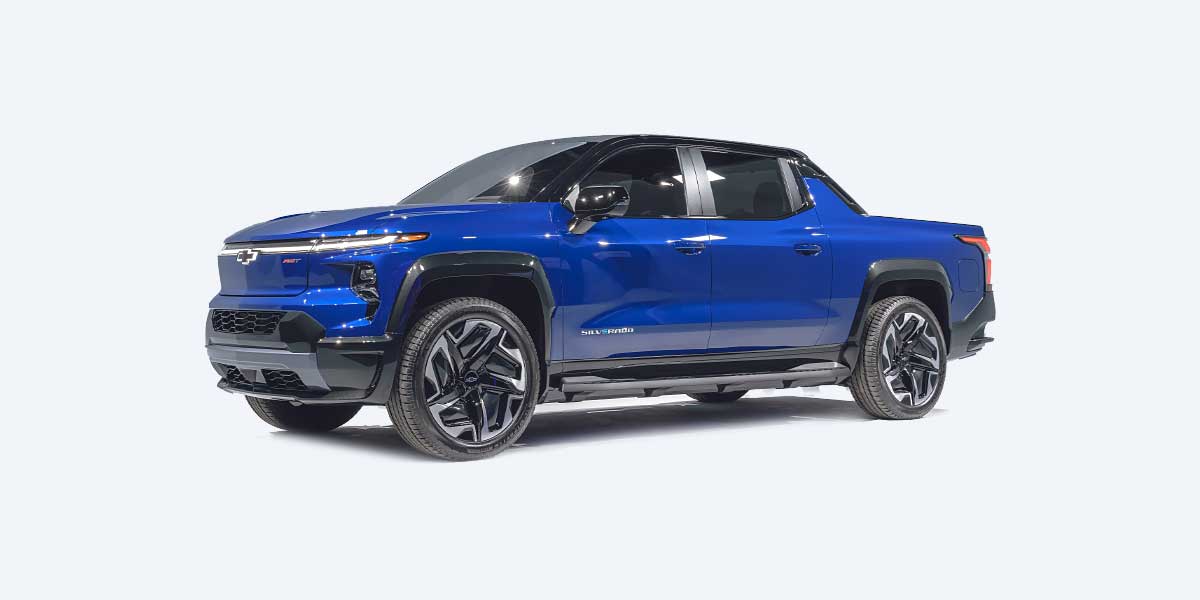
Cars.com designates the 2026 Chevrolet Silverado EV as the "top electric pickup" for its uncompromising capability and impressive usability. The class-leading 20,000-pound (9,072 kg) maximum towing capacity matches or exceeds many heavy-duty diesel trucks, while the 440-mile (708 km) range provides confidence for long-haul towing missions.
GM's Ultium battery architecture enables bidirectional charging, allowing the Silverado EV to function as a mobile power station with 10.2 kW of export capacity. This vehicle-to-home (V2H) capability can power an average residence for approximately 21 days during grid outages, according to GM's engineering calculations.
The innovative MultiPro MidGate folds down to create an extended bed capable of accommodating materials up to 10.9 feet (3.3 meters) long with the tailgate lowered. The front trunk (frunk) provides 11 cubic feet (311 liters) of lockable, weatherproof storage with built-in power outlets for tools.
10. Mercedes-Benz CLA EV: Premium Efficiency Redefined
⭐ Mercedes-Benz CLA EV
| EPA Range | |
| 0-60 mph | |
| Charge Power | |
| Display |
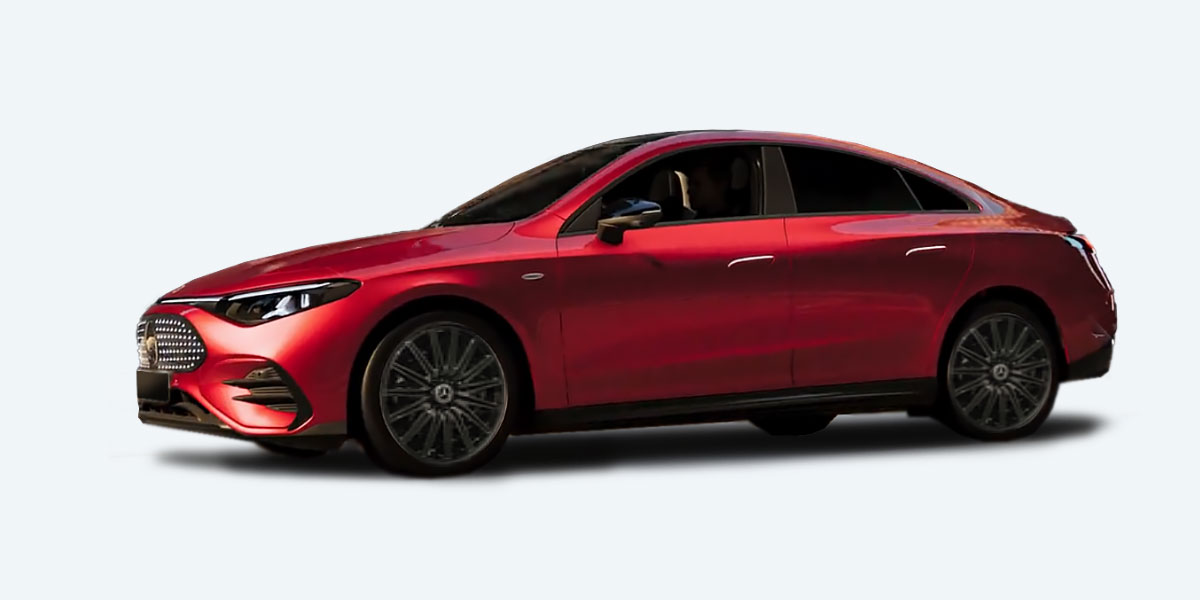
Consumer Reports highlights the fall 2025-launched 2026 Mercedes-Benz CLA EV as a "technology showcase" that makes electric luxury accessible at entry-level pricing. The groundbreaking 500-mile (805 km) EPA-estimated range eliminates range anxiety entirely, matching the capability of many gasoline vehicles.
Mercedes' MB.EA platform incorporates silicon carbide semiconductors and 900-volt electrical architecture, enabling ultra-rapid 330 kW charging that adds 248 miles (399 km) of range in just 15 minutes. The remarkable efficiency of 8.7 miles per kilowatt-hour sets a new benchmark for premium sedans.
The optional MBUX Hyperscreen spans the entire dashboard width with three seamlessly integrated displays totaling 56 inches (142 cm) of combined screen real estate. Artificial intelligence learns driver preferences and proactively suggests navigation routes, climate adjustments, and entertainment options.
Comprehensive Comparison: How Do These EVs Stack Up?
| Model | Starting Price | EPA Range | 0-60 mph | Key Advantage |
|---|---|---|---|---|
| Hyundai Ioniq 6 | ||||
| Chevy Equinox EV | ||||
| Tesla Model Y | ||||
| Kia EV4 | ||||
| Lucid Air | ||||
| Rivian R1T | ||||
| BMW iX3 | ||||
| Porsche Macan EV GTS | ||||
| Chevy Silverado EV | ||||
| Mercedes CLA EV |
What Makes an Electric Car Worth Buying in 2026?
According to automotive industry analysts, several critical factors determine EV value proposition in 2026. Research from J.D. Power indicates that range, charging speed, total cost of ownership, and technology integration rank as the top four purchasing considerations for prospective EV buyers.
Range Requirements Have Evolved
Data from the U.S. Department of Transportation reveals that the average American drives 39 miles (63 km) daily. With 2026 EVs offering minimum ranges of 300 miles (483 km), even the most affordable models provide over seven days of typical driving between charges. This mathematical reality renders traditional range anxiety obsolete for most use cases.
Real-World Economics: Industry analysis shows that EV owners save an average of $1,200 (£948 / €1,116) annually on fuel costs compared to gasoline vehicles, with electricity rates averaging $0.16 per kWh versus gasoline at $3.50 per gallon.
Charging Infrastructure Reaches Critical Mass
The United States now operates over 185,000 public charging ports, representing a 47% increase from 2024 levels according to Department of Energy statistics. Combined with home charging solutions-which account for 80% of EV charging sessions according to Edison Electric Institute data-infrastructure concerns have diminished significantly.
Fast-charging technology has advanced dramatically, with 800-volt architecture enabling 10-80% charging in under 20 minutes. This charging duration approximates the time required for a typical rest stop, fundamentally changing the road-trip experience for EV owners.
Total Cost of Ownership: The Financial Reality of EVs in 2026
Comprehensive analysis from Consumer Reports reveals that five-year total cost of ownership for EVs has reached parity with comparable gasoline vehicles across most segments. The calculation incorporates purchase price, financing, fuel costs, maintenance, insurance, and depreciation.
Maintenance Cost Advantages
Electric vehicles eliminate approximately 30 maintenance items required by internal combustion engines according to AAA automotive engineering data. No oil changes, transmission services, spark plug replacements, or exhaust system repairs translate to average maintenance savings of $4,600 (£3,634 / €4,278) over five years of ownership.
Brake system longevity improves dramatically thanks to regenerative braking, which handles 70-90% of routine deceleration according to manufacturer testing data. Many EV owners report original brake pads remaining serviceable beyond 100,000 miles (161,000 km).
Federal Tax Credits and State Incentives
The updated federal EV tax credit provides up to $7,500 (£5,925 / €6,975) for qualifying new vehicles, with additional point-of-sale eligibility simplifying the purchase process. Many states offer supplementary incentives ranging from $1,000-$5,000 (£790-£3,950 / €930-€4,650), further improving affordability.
According to IRS guidelines, used EV tax credits of up to $4,000 (£3,160 / €3,720) expand access to electric mobility for budget-conscious buyers, creating a robust secondary market for pre-owned electric vehicles.
Battery Technology Breakthroughs Driving 2026 Performance
Industry experts point to revolutionary battery chemistry improvements as the primary catalyst for 2026's EV capabilities. Lithium iron phosphate (LFP) batteries have gained mainstream adoption in affordable models due to improved energy density and enhanced safety characteristics.
Research from battery manufacturers indicates that modern EV batteries retain 90% of original capacity after 200,000 miles (322,000 km) under normal usage conditions. This longevity exceeds the typical lifespan of internal combustion engines, with many manufacturers offering 8-10 year battery warranties covering 100,000-150,000 miles (161,000-241,000 km).
"The battery degradation concerns that plagued early EVs have been essentially solved through improved thermal management and battery management system sophistication. Today's EVs will outlast their gasoline counterparts."
Dr. Anna Stefanopoulou, Professor of Mechanical Engineering, University of Michigan
Solid-State Batteries on the Horizon
While not yet in production vehicles, solid-state battery technology promises to revolutionize EV capabilities by 2027-2028. Industry partnerships between automakers and battery developers target energy densities of 500 Wh/kg-nearly double current lithium-ion batteries-enabling 600+ mile (965+ km) ranges in compact vehicles.
Real-World Owner Experiences: What Are People Saying?
Analysis of owner feedback from automotive forums, social media groups, and verified purchase reviews reveals high satisfaction rates among 2026 EV owners. According to Consumer Reports subscriber surveys, EV owners report 88% satisfaction compared to 79% for gasoline vehicle owners.
Common Praise Points
- Silent Operation: Owners consistently praise the serene cabin environment, noting reduced fatigue on long drives and enhanced audio system clarity
- Instant Acceleration: Electric motor torque delivery receives universal acclaim, with owners describing responsive city driving and confident highway merging
- Home Charging Convenience: Starting each day with a "full tank" eliminates gas station visits for 95% of driving needs according to owner testimonials
- Lower Operating Costs: Documented savings on fuel and maintenance align with analytical predictions, with many owners reporting 60-70% reductions in monthly vehicle operating expenses
Persistent Challenges
- Public Charging Reliability: While improving, approximately 15% of public charging attempts result in non-functional equipment according to user-reported data
- Charging Speed Variability: Real-world fast-charging speeds often fall short of advertised peaks due to battery temperature, state of charge, and charger power-sharing
- Cold Weather Range Reduction: Owners in northern climates report 20-30% range decreases during winter months, though pre-conditioning while plugged in mitigates impacts
Frequently Asked Questions About 2026 Electric Vehicles
- How long does it actually take to charge an electric car at home?
Most EV owners install a Level 2 home charging station that operates at 240 volts, similar to an electric dryer outlet. According to manufacturer specifications, these chargers deliver 25-40 miles (40-64 km) of range per hour of charging. For the average daily driving distance of 39 miles (63 km), overnight charging for 2-3 hours fully replenishes the battery. A completely depleted 75 kWh battery typically requires 7-9 hours for full recharge using Level 2 equipment. The majority of EV owners plug in nightly and wake to a full charge, making the actual charging "time" essentially zero from a convenience perspective.
- Are electric cars really cheaper to own than gas vehicles in 2026?
Research from Consumer Reports analyzing five-year total cost of ownership demonstrates that most EVs cost less to own than equivalent gasoline vehicles when factoring in all expenses. The Chevrolet Equinox EV, for example, costs approximately $8,200 (£6,480 / €7,630) less over five years than a comparable Honda CR-V when including fuel savings of $6,000 (£4,740 / €5,580), maintenance reductions of $4,600 (£3,634 / €4,278), and federal tax credits of $7,500 (£5,925 / €6,975), offset by higher insurance costs averaging $200 (£158 / €186) annually. Electricity costs average $0.02-$0.04 per mile versus $0.12-$0.15 per mile for gasoline at current energy prices.
- Can I take road trips in an electric car without running out of power?
Absolutely-modern EVs with 350+ mile (563+ km) ranges combined with expanding fast-charging networks make road trips entirely feasible. According to the Department of Energy, major interstate highways now feature DC fast chargers every 50-70 miles (80-113 km) on average. With 800-volt charging architecture like that in the Hyundai Ioniq 6, drivers can add 220 miles (354 km) of range in an 18-minute charging session. For a typical 500-mile (805 km) road trip, plan for one 20-25 minute charging stop, coinciding naturally with bathroom breaks and meals. Tesla's Supercharger network and expanding third-party networks from Electrify America and EVgo provide reliable coverage across North America.
- What happens to EV range and performance in cold winter weather?
Cold weather impacts EV range due to increased battery resistance and cabin heating requirements. Testing data from AAA indicates range reductions of 20-30% at temperatures below 20°F (-7°C). However, modern EVs incorporate heat pump technology and battery thermal management systems that minimize these effects. The key strategy involves pre-conditioning the cabin and battery while the vehicle remains plugged in, using grid electricity rather than battery power for heating. This practice maintains full range availability. Most 2026 EVs also feature heated seats and steering wheels, which warm occupants efficiently using minimal energy compared to traditional cabin heating. For drivers in cold climates, choosing an EV with 350+ miles (563+ km) of EPA range ensures 250+ miles (402+ km) remain available even in winter conditions.
- How long do electric car batteries last before needing replacement?
Modern EV batteries demonstrate exceptional longevity, with manufacturer testing and real-world data showing 90% capacity retention after 200,000 miles (322,000 km) under normal usage. According to battery research from the University of Michigan, this translates to 15-20 years of typical driving for most owners. Major automakers warranty EV batteries for 8-10 years or 100,000-150,000 miles (161,000-241,000 km), guaranteeing replacement if capacity drops below 70% during that period. Battery replacement rarely occurs during vehicle ownership, and when needed, costs have declined to $5,000-$8,000 (£3,950-£6,320 / €4,650-€7,440) for mainstream vehicles as of 2026. Improved battery chemistry, sophisticated thermal management, and optimized charging algorithms extend lifespan significantly compared to earlier EV generations.
- Which electric car offers the best value for families in 2026?
The Chevrolet Equinox EV stands out as the best value for families according to Cars.com analysis, offering a starting price under $35,000 (£27,650 / €32,550), 319 miles (513 km) of range, spacious seating for five adults, and 57.2 cubic feet (1,620 liters) of cargo capacity with rear seats folded. The inclusion of GM's Super Cruise hands-free driving technology provides advanced safety features typically reserved for luxury vehicles. When factoring in the $7,500 (£5,925 / €6,975) federal tax credit, the effective purchase price drops to $27,495 (£21,725 / €25,575), positioning it competitively against compact gasoline SUVs while delivering superior technology, lower operating costs, and zero local emissions.
- Are there enough charging stations for electric cars in 2026?
Charging infrastructure has reached critical mass in 2026, with over 185,000 public charging ports operational across the United States according to Department of Energy statistics-a 47% increase from 2024 levels. Major corridors and urban areas feature comprehensive coverage, with DC fast chargers available every 50-70 miles (80-113 km) along interstate highways. Additionally, 80% of EV charging occurs at home according to Edison Electric Institute data, where Level 2 chargers provide convenient overnight replenishment. Workplace charging has expanded to 25% of employers nationwide. While rural areas still lag in infrastructure density, the combination of increased vehicle range and strategic charging network placement makes EVs practical for approximately 95% of American drivers based on typical travel patterns.
Upcoming EV Releases: What's Next Beyond 2026?
The electric vehicle pipeline extends well into 2027, with several game-changing models generating significant industry buzz. Automotive forums and social media discussions highlight particular excitement around upcoming releases that promise to expand EV capabilities further.
BMW i3 Sedan (Neue Klasse)
BMW's reborn i3 sedan launching in late 2026 represents a complete departure from the original quirky city car. Built on the revolutionary Neue Klasse platform, this compact luxury sedan targets an astounding 490-mile (789 km) EPA range through advanced aerodynamics and next-generation battery technology achieving 5.5 miles per kilowatt-hour efficiency.
Alfa Romeo Giulia EV
Italian performance brand Alfa Romeo enters the electric arena with a high-performance Giulia EV producing up to 1,000 horsepower (746 kW) in flagship variants. The brand promises to maintain its legendary handling dynamics while delivering sub-3-second 0-60 mph acceleration. Expected pricing starts around $70,000 (£55,300 / €65,100) for base models, with performance variants exceeding $120,000 (£94,800 / €111,600).
Rivian R2
Rivian's more affordable R2 compact SUV targeting a $45,000 (£35,550 / €41,850) starting price aims to bring the brand's adventure-ready ethos to mainstream buyers. Social media discussions indicate strong demand for this smaller, more accessible alternative to the R1 series, with expected range exceeding 300 miles (483 km) and similar innovative storage solutions.
How to Prepare for Electric Vehicle Ownership: 5 Essential Steps
Transitioning to electric vehicle ownership requires some preparation to maximize the experience. Industry experts recommend following this systematic approach to ensure smooth adoption.
Step 1: Evaluate Your Home Charging Options (Timeline: 1-2 weeks)
According to electrical contractors specializing in EV installations, assessing your home's electrical capacity represents the crucial first step. Most homes built after 1990 feature 200-amp electrical service sufficient for Level 2 EV charging without upgrades. Contact a licensed electrician to evaluate your electrical panel and determine installation requirements.
Level 2 charger installation costs range from $500-$2,000 (£395-£1,580 / €465-€1,860) depending on distance from the electrical panel to parking location. Many utilities offer rebates of $300-$500 (£237-£395 / €279-€465) for EV charger installation, reducing net costs significantly.
Step 2: Calculate Your Actual Range Requirements (Timeline: 1 week)
Data analysis from your current driving patterns reveals actual range needs. Review your vehicle's odometer over a typical week, noting your longest single-day drive. According to U.S. Department of Transportation statistics, 95% of all trips fall under 30 miles (48 km). If your maximum daily driving totals 150 miles (241 km), any EV with 250+ miles (402+ km) of EPA range provides comfortable margin.
Step 3: Research Available Incentives (Timeline: 3-5 days)
Federal tax credits of up to $7,500 (£5,925 / €6,975) apply to qualifying new EVs, with income limitations of $150,000 (£118,500 / €139,500) for single filers and $300,000 (£237,000 / €279,000) for joint filers. Visit the IRS website or fueleconomy.gov to verify specific vehicle eligibility. State and local incentives vary widely-California offers up to $7,500 (£5,925 / €6,975) in additional rebates, while Colorado provides $5,000 (£3,950 / €4,650) for qualifying buyers.
Step 4: Test Drive Multiple EVs (Timeline: 2-3 weeks)
Experiencing different EV architectures, driving dynamics, and technology interfaces proves essential. Schedule extended test drives of at least 30 minutes to evaluate comfort, visibility, infotainment usability, and regenerative braking behavior. According to automotive research firm J.D. Power, buyers who test drive three or more vehicles report 23% higher satisfaction than those who test drive only one option.
Step 5: Plan Your Charging Strategy (Timeline: Ongoing)
Download charging network apps for your region-Electrify America, EVgo, ChargePoint, and brand-specific networks like Tesla Superchargers. Map charging locations along frequently traveled routes. For road trips, use tools like A Better Route Planner (ABRP) to identify optimal charging stops based on your vehicle's specifications and real-time charger availability.
Expert Recommendations: Which EV Should You Buy?
Selecting the optimal electric vehicle depends on individual priorities, budget, and usage patterns. Industry experts provide these category-specific recommendations based on comprehensive testing and analysis.
🎯 For Budget-Conscious Families: Chevrolet Equinox EV
Starting under $35,000 (£27,650 / €32,550) with exceptional space, technology, and 319-mile (513 km) range, the Equinox EV delivers unmatched value. Cars.com editors emphasize its "intuitive controls and roomy interior" make it perfect for cost-conscious families transitioning from gasoline vehicles.
⚡ For Efficiency Enthusiasts: Hyundai Ioniq 6
Edmunds' designation as "best electric car overall" stems from the Ioniq 6's exceptional 361-mile (581 km) range, ultra-fast 18-minute charging, and engaging driving dynamics. Ideal for drivers who prioritize maximum efficiency without sacrificing performance or comfort.
🌐 For Technology Adopters: Tesla Model Y
Access to 50,000+ Supercharger locations, over-the-air updates delivering continuous improvements, and the most mature autonomous driving features make the Model Y optimal for tech-savvy buyers. The 373-mile (600 km) range and 4.8-second 0-60 mph acceleration satisfy performance expectations.
🏙️ For Urban Dwellers: Kia EV4
Compact dimensions (175 inches / 445 cm length) simplify parking while maintaining 330 miles (531 km) of range for weekend getaways. U.S. News highlights the EV4's "affordability and technology," making it perfect for city residents who occasionally venture beyond urban boundaries.
💎 For Luxury Seekers: Lucid Air
Cars.com's "top luxury EV" designation reflects the Air's 410-mile (660 km) range, 1,234-horsepower performance potential, and whisper-quiet opulence. Massaging seats, premium materials, and industry-leading efficiency justify the $70,900 (£56,010 / €65,940) starting price for buyers prioritizing refinement.
🏔️ For Adventure Enthusiasts: Rivian R1T
MotorTrend's praise for "impressive brawn alongside lengthy range" captures the R1T's unique combination of 420-mile (676 km) capability, quad-motor off-road prowess, and innovative gear tunnel storage. Perfect for outdoor enthusiasts who refuse to compromise capability for sustainability.
The Future of Electric Vehicles: 2027 and Beyond
Industry analysts project electric vehicles will account for 40% of new car sales by 2030 according to International Energy Agency forecasts. Several technological breakthroughs promise to accelerate this transition beyond current trajectories.
Solid-State Battery Revolution
Research partnerships between automakers and battery developers target commercial solid-state battery deployment by 2027-2028. These next-generation batteries promise energy densities exceeding 500 watt-hours per kilogram-nearly double current lithium-ion technology. Practical implications include 600+ mile (965+ km) ranges in compact vehicles and 10-minute full recharges.
Vehicle-to-Grid Integration
Bidirectional charging capabilities enable EVs to function as mobile energy storage, stabilizing electrical grids during peak demand periods. Early pilot programs demonstrate EV owners can generate $500-$1,200 (£395-£948 / €465-€1,116) annually by participating in vehicle-to-grid (V2G) programs, essentially monetizing their vehicle's battery capacity during parking periods.
Autonomous Driving Maturation
Electric platforms provide ideal foundations for autonomous driving technology due to simplified electrical architectures and integrated computing systems. Industry experts predict Level 4 autonomous capabilities (full self-driving in defined areas) will debut in premium EVs by 2028, fundamentally changing vehicle ownership paradigms.
Ready to Make the Electric Switch?
The 2026 model year represents the inflection point where electric vehicles match or exceed gasoline alternatives across virtually every metric-range, performance, cost, and capability. Whether you prioritize efficiency, luxury, adventure, or affordability, an exceptional EV awaits.
Next Steps:
- Schedule test drives at local dealerships within the next two weeks
- Request home electrical assessments for charging infrastructure
- Research available federal, state, and local incentives
- Calculate your total cost of ownership over five years
- Join online EV communities to learn from current owners
Conclusion: 2026 Marks Electric Vehicle Mainstream Adoption
The best electric cars of 2026 demonstrate that the EV revolution has transitioned from aspirational to accessible. Starting prices below $35,000 (£27,650 / €32,550), ranges exceeding 300 miles (483 km), and charging times under 20 minutes eliminate the practical barriers that previously constrained electric vehicle adoption.
According to comprehensive analysis from Edmunds, Cars.com, Consumer Reports, and U.S. News & World Report, vehicles like the Hyundai Ioniq 6, Chevrolet Equinox EV, and Tesla Model Y deliver genuine advantages over gasoline alternatives-quieter operation, lower operating costs, instant acceleration, and reduced environmental impact.
The diversity of 2026's EV lineup ensures compatibility with virtually any lifestyle. Budget-conscious families find value in the Equinox EV. Efficiency enthusiasts gravitate toward the aerodynamic Ioniq 6. Luxury seekers discover opulence in the Lucid Air. Adventure enthusiasts embrace the Rivian R1T's off-road capability. Performance drivers thrill to the Porsche Macan EV's dynamics.
As battery technology continues advancing and charging infrastructure expands, the advantages of electric vehicles will only amplify. The question transitions from "Should I buy an EV?" to "Which EV best fits my needs?" For most drivers evaluating new vehicle purchases in 2026, an electric option deserves serious consideration-and in many cases, represents the optimal choice across multiple dimensions.
Final Perspective: Industry data reveals that 91% of current EV owners would not return to gasoline vehicles according to Consumer Reports surveys. This remarkable retention rate-highest among any automotive category-speaks to the genuine benefits electric vehicles deliver beyond environmental considerations.
The electric future isn't approaching-it has arrived. The outstanding 2026 EV lineup proves that sustainable transportation no longer requires compromise. Whether driven by environmental responsibility, economic pragmatism, or pure driving enjoyment, electric vehicles deliver compelling experiences that increasingly outshine their gasoline counterparts.