Electric Cars, Electric vehicles and all things related to automobile.
  • 6 pages
  • 0 Album
Recent Updates
Pinned Items
Recent Activities
  • Alex Garin uploaded a new video in Electric Trucks News
    2027 Freightliner eCascadia: Proven Electric Class 8 for Regional and Drayage Haul

     The Freightliner eCascadia remains one of the most established battery-electric Class 8 tractors in North America heading into 2027. Built on the familiar Cascadia platform by Daimler Truck North America, it is designed primarily for regional...

     The Freightliner eCascadia remains one of the most established battery-electric Class 8 tractors in North America heading into 2027. Built on the familiar Cascadia platform by Daimler Truck North America, it is designed primarily for regional distribution, port drayage, intermodal, and depot-return routes rather than long-haul cross-country work. With years of real-world fleet experience already accumulated, it offers fleets a practical path to zero-tailpipe-emission operations where daily mileage fits the available range and charging can be managed at base.

    Current Specifications

    Official Freightliner figures (typical ranges derived from extensive real-world fleet miles) include:

    Parameter Specification
    Class 8 tractor (day cab, 116" BBC)
    Battery usable capacity 291 kWh or 438 kWh
    Typical range 155 miles (291 kWh, single-drive)
    220 miles (438 kWh, tandem drive)
    230 miles (438 kWh, single-drive long-range)
    Power Up to 470 hp (350 kW) on tandem-drive models; lower ratings (320–395 hp) on single-drive versions
    Max GCW 82,000 lbs (tandem); 65,000 lbs (single-drive)
    Propulsion Detroit eAxle (single- or dual-motor configurations) with high torque and regenerative braking
    Charging Approximately 0–80% in about 90 minutes under optimal conditions; single-port up to 180 kW, dual-port up to 270 kW
    Approximate curb weights Roughly 16,350–21,800 lbs depending on configuration

    Range figures account for typical load profiles, regenerative braking, and diminishing payload over a route. Actual results vary with terrain, speed, ambient temperature, payload, and driver behavior. The truck uses CCS1 DC fast charging and integrates with Detroit Connect telematics.

    Strengths for Fleet Operators

    The eCascadia’s biggest advantage is that it is already a production vehicle with proven deployment rather than a concept or limited pilot. Fleets running shorter, predictable routes—especially those returning to a depot daily—can match it to duty cycles where the 155–230-mile typical range is sufficient. Instant torque from the eAxle delivers strong acceleration and grade performance with zero tailpipe emissions, which is valuable in ports, urban areas, and regions with clean-air rules or incentives.

    Shared Cascadia DNA means familiar cab ergonomics, service networks, and parts commonality with diesel models for mixed fleets. Regenerative braking reduces brake wear, and the simpler electric powertrain lowers routine maintenance compared with diesel (no oil changes, fewer fluids and filters). Dual-port charging options help minimize downtime on the larger battery packs.

    Production continues into the 2027 model year period, with manufacturing adjustments underway as Daimler optimizes its North American network (including shifts away from certain Portland operations toward the Carolinas). The platform continues to benefit from ongoing Cascadia development in safety systems, connectivity, and driver interfaces that apply across powertrains.

    Realistic Considerations

    It is not positioned as a long-haul sleeper replacement. Most daily ranges for suitable applications fall in the 100–200-mile zone, so route planning and depot charging infrastructure remain essential. Upfront cost is higher than a comparable diesel Cascadia, though total cost of ownership can improve with high utilization, favorable electricity rates, lower maintenance, and any available incentives. Payload is affected by battery weight, so configuration choice (battery size and drive axle) matters for specific loads.

    As of late 2026, no major range or battery-capacity leap specifically labeled for a “2027 eCascadia” has been announced beyond continuous refinement of the existing production model. Parallel 2027 updates on the diesel Cascadia (such as Gen 6 engines, expanded standard safety features like Cross Traffic Assist and Active Side Guard Assist 2, and digital dash options) highlight the broader platform evolution that electric versions can also draw from over time.

    Bottom Line

    The 2027-era Freightliner eCascadia is a mature, series-production electric Class 8 option best suited to regional and return-to-base work. It delivers proven zero-emission capability on a trusted chassis, with flexible battery and axle choices that let fleets match range and payload to real routes. For operators evaluating electrification of shorter-haul segments, it remains one of the most practical and widely supported choices available from a major North American OEM. Specs and availability should always be confirmed with a Freightliner dealer, as configurations and local incentives continue to evolve.

    More
    0
    0
    0
    0
    0
    0
    Comments (0)
    Post is under moderation
    Stream item published successfully. Item will now be visible on your stream.
  • Alex Garin uploaded a new video in New EV motorcycles,
    Segway has launched the Xyber Air ebike

    Segway has launched the Xyber Air, a lighter, street-legal version of its moto-styled Xyber e-bike. It costs $1,999.99 and works as a Class 1, 2 or 3 e-bike, with a 750 W motor, up to 58 miles (93 km) of claimed range and a top speed of 28 mph...

    Segway has launched the Xyber Air, a lighter, street-legal version of its moto-styled Xyber e-bike. It costs $1,999.99 and works as a Class 1, 2 or 3 e-bike, with a 750 W motor, up to 58 miles (93 km) of claimed range and a top speed of 28 mph (45 km/h). US sales open on October 27, 2026.

    $1,999
    MSRP at launch
    750 W
    Nominal motor power, 1,600 W peak
    58 mi
    Claimed maximum range (93 km)
    84 lb
    Claimed weight (38 kg)

    The Xyber look, now legal in bike lanes

    The original Xyber was revealed at CES 2025 and went on sale at $2,999.99. Its 43 mph peak speed and moto-style frame left it in a regulatory grey zone in many places. The Xyber Air keeps the design that made the Xyber stand out, including the angular frame and the X-shaped front and rear lights. Underneath, it is a different machine, built to stay within standard e-bike classes so riders can legally use bike infrastructure.

    The rider can choose the e-bike class in the Segway app. Class 1 and Class 2 are capped at 20 mph (32 km/h), and Class 3 allows pedal assist up to 28 mph (45 km/h). A Hybrid Mode combines the two: the throttle works up to 20 mph and pedal assist continues to 28 mph, with no need to switch modes.

    Powertrain and range

    The power comes from a 750 W nominal rear hub motor that peaks at 1,600 W and delivers 80 Nm of torque. It runs on a 48 V, 717 Wh battery mounted in the upper frame. Segway quotes up to 58 miles (93 km) per charge, and a full recharge takes about 6.5 hours. As with any e-bike, real-world range will depend on rider weight, terrain and how often the throttle is used.

    Segway's own figures for 0–20 mph acceleration vary: its store page lists 6 seconds, while its launch materials quote 9 seconds. Either way, the Air is well behind the original Xyber, which did the same run in 2.7 seconds.

    Segway Xyber Air specifications

    Price (MSRP)
    $1,999.99
    E-bike class
    Class 1, 2 or 3 (selectable)
    Motor
    750 W nominal / 1,600 W peak rear hub
    Torque
    80 Nm
    Top speed
    20 mph (Class 1/2), 28 mph (Class 3)
    Battery
    48 V, 717 Wh
    Claimed range
    Up to 58 mi (93 km)
    Charging time
    About 6.5 hours
    Tires
    20 × 4-inch fat tires
    Brakes
    Hydraulic discs, 180 mm front and rear
    Front suspension
    80 mm travel
    Weight / payload
    84 lb (38 kg) / 330 lb (150 kg)
    Rider height
    4 ft 8 in – 6 ft
    Certification
    UL 2271 and UL 2849
    Warranty
    Limited 2 years

    Motorcycle-style safety tech

    Segway has brought several systems usually found on motorcycles to the Xyber Air. Traction control watches for wheel slip and cuts motor input to restore grip. Hill-start assist holds the bike on inclines, and regenerative hill descent control manages speed on steep downhills. The lighting includes a 600-lumen headlamp, a rear brake light and automatic light control.

    Connected features and theft protection

    The Xyber Air uses the Segway Intelligent Ride System, which is built around security:

    • AirLock automatically unlocks the bike as the owner approaches.
    • Apple Find My support and Segway GPS tracking help locate the bike.
    • Lost Mode remotely disables a stolen bike, and the app sends an alert if someone disturbs it.
    • Over-the-air updates keep the firmware current.
    • A full-colour TFT display adjusts its brightness automatically and shows navigation, music controls and incoming calls from a paired phone.

    Optional accessories include fenders, a rear rack and an in-frame bag.

    Xyber Air vs. original Xyber

    Spec
    Xyber Air
    Xyber
    Launch price
    $1,999.99
    $2,999.99
    Top speed
    28 mph (45 km/h)
    43 mph peak (69 km/h)
    0–20 mph
    6–9 s (Segway figures vary)
    2.7 s
    Max range
    58 mi (93 km)
    112 mi with two batteries
    Tires
    20 × 4 in
    20 × 5 in
    Weight
    84 lb (38 kg)
    About 146 lb (66 kg)
    Road-legal e-bike class
    Class 1, 2, 3
    No (off-road focus)

    Price and availability

    The Xyber Air goes on sale on October 27, 2026 for $1,999.99. It will be sold through store.segway.com, authorised Segway dealers and SCHEELS stores across the US. Early buyers in the presale period could reserve it for $1,799.99. Segway has not yet announced pricing for Europe or other markets.

    Frequently asked questions

    The Xyber Air is Segway's move from attention-grabbing concept to mainstream product. It keeps the striking design, adds motorcycle-grade rider aids and theft tracking, and fits within the e-bike classes that most cities allow, all for under $2,000. At 84 lb it is still heavy for an e-bike, but it weighs far less than the original Xyber.

     
    More
    0
    0
    0
    0
    0
    0
    Comments (0)
    Post is under moderation
    Stream item published successfully. Item will now be visible on your stream.
  • Luxeed RX Electric SUV Launches in China: Specs & Price

    Luxeed, the electric vehicle brand jointly developed by Huawei and Chery, officially launched the RX electric coupe SUV in China on September 28, 2026. Pricing starts at 259,800 yuan (about $38,550), and the RX arrives with a Ferrari-trained...

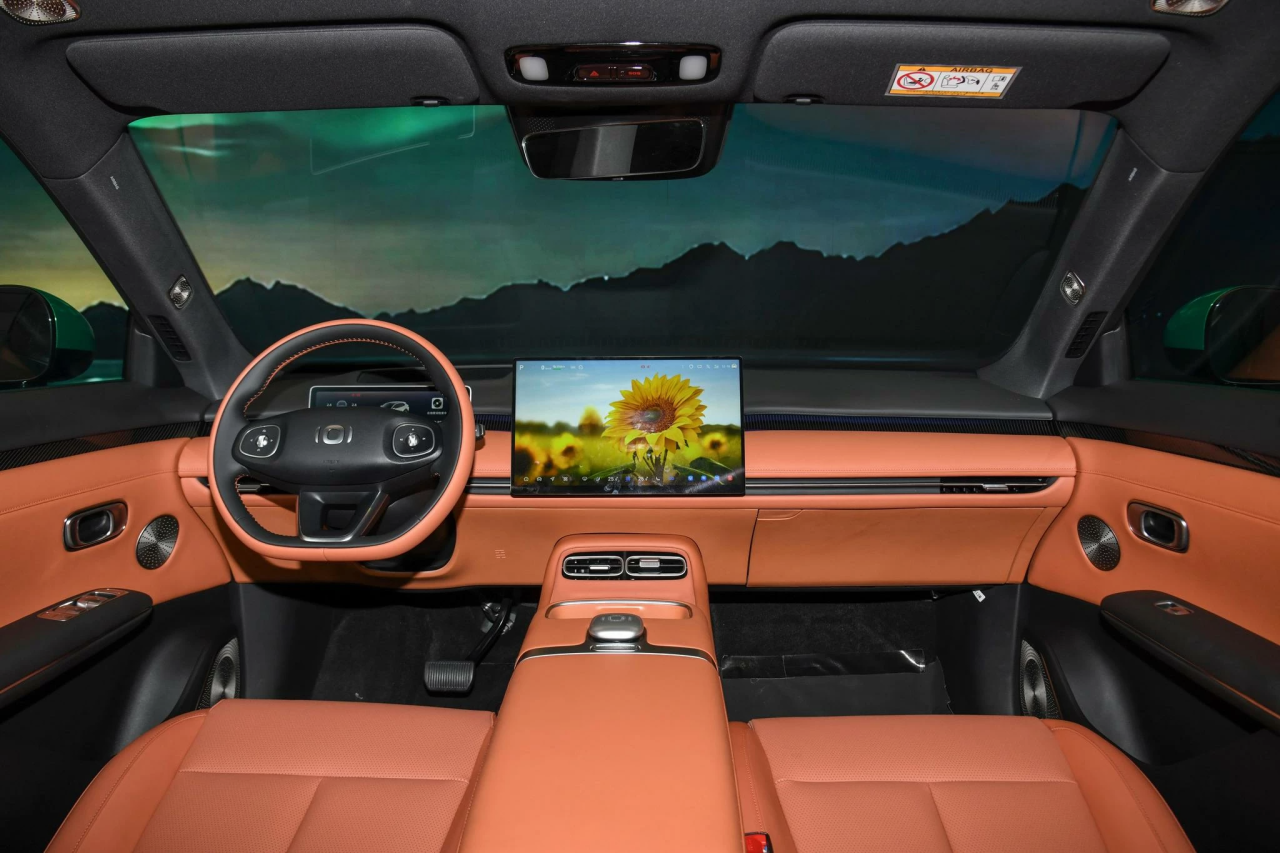
    Luxeed, the electric vehicle brand jointly developed by Huawei and Chery, officially launched the RX electric coupe SUV in China on September 28, 2026. Pricing starts at 259,800 yuan (about $38,550), and the RX arrives with a Ferrari-trained designer's styling, up to 852 km of CLTC range, and a claim to have just beaten the Xiaomi YU7 as the fastest Chinese electric SUV around a race circuit.

    852km
    Maximum CLTC range
    437kW
    Peak power, dual-motor AWD
    3.6s
    0-100 km/h acceleration
    $38,550
    Starting price in China

    The Fourth Model Under HIMA's Luxeed Brand

    The RX is Luxeed's fourth model, joining the S7 sedan, R7 coupe SUV, and V9 MPV under Huawei's Harmony Intelligent Mobility Alliance (HIMA) — the same automotive ecosystem behind AITO, Stelato, and Maextro. Chery manufactures and engineers the vehicle, while Huawei supplies the electrical architecture, software, and driver-assistance technology, a division of labor that's defined the Luxeed brand since its first model launched in 2024.

    The RX was first teased in June 2026 and opened pre-orders at the Chengdu Auto Show on August 20, positioned squarely to compete with the Xiaomi YU7 — the two share strikingly similar proportions, a low-slung coupe-SUV silhouette, and an overlapping target buyer. Luxeed executive Zhao Changjiang said roughly 70% of RX reservation holders already own a car and are buying the RX as an additional household vehicle.

    Specifications

    Body style
    Mid-to-large 5-door electric coupe SUV ("FUV")
    Length
    5,020 mm
    Platform
    Huawei Tuling platform, Chery "343" compact architecture
    Powertrain
    Single-motor RWD or dual-motor AWD
    Peak power (dual-motor)
    437 kW (586 hp)
    Motor top speed
    21,000 rpm (Huawei's next-gen DriveOne motor)
    0-100 km/h
    As quick as 3.6 seconds
    Braking, 100-0 km/h
    32.4 meters
    Range (CLTC)
    Up to 852 km on the largest battery
    Battery platform
    Huawei Giant Whale battery platform; 81 kWh entry option added ahead of launch
    Suspension
    Aluminium double-wishbone front, 5-link multilink rear; optional dual-valve active dampers and dual-chamber air suspension
    Chassis rigidity
    50,000 N·m/deg torsional rigidity, claimed
    Brakes
    6-piston front calipers
    Wheels
    20- or 22-inch, staggered setup (255 mm front / 275 mm rear)
    Sensors
    38 sensors total, including 4 LiDAR units
    Exterior design
    Werner Gruber, former Ferrari senior exterior designer
    Taillight design
    ~10,000 randomly arranged crystal-like elements
    Assembly
    Chery's intelligent factory, Wuhu, Anhui Province
    Price range
    259,800 - 389,800 yuan ($38,700 - $58,065)

    A Track-Focused Pitch

    Luxeed is leaning heavily on performance credentials to differentiate the RX from its rival. The RX Ultra+ variant lapped the Zhejiang International Circuit in 1:43.210, which Luxeed says makes it the fastest Chinese electric SUV around that track, ahead of the Xiaomi YU7 Max. The company also says the RX completed an evasive lane-change maneuver at over 250 km/h on a banked oval proving ground, and cites a claimed 1-millisecond motor torque response from Huawei's next-generation DriveOne drive system.

    Going Head-to-Head With Xiaomi

    The comparison to the Xiaomi YU7 isn't incidental — the two vehicles share close dimensions, a similar coupe-SUV shape, and a nearly identical target buyer, and Luxeed's own pre-sales pricing was set at the upper end of the YU7's range. The RX starts slightly above the YU7's 233,500 yuan ($34,780) entry price, positioning it as a marginally more premium alternative rather than a direct undercut. Some commentary has noted the resemblance closely enough to call the RX a "Xiaomi copy," a criticism Luxeed has largely countered by emphasizing its own performance numbers and Ferrari-pedigree design credentials instead.

    With four models now on sale and a design team boasting genuine supercar pedigree, the Huawei-Chery Luxeed partnership continues pushing deeper into China's crowded premium EV segment — betting that track-day bragging rights and Huawei's software ecosystem can carve out space in a market where Xiaomi, Nio, and a dozen other rivals are all chasing the same buyer.

    Sources
    CnEVPost — "Huawei-backed Luxeed launches RX electric SUV in China, starting at $38,550," September 28-29, 2026.
     
    More
    0
    0
    0
    0
    0
    0
    Comments (0)
    Post is under moderation
    Stream item published successfully. Item will now be visible on your stream.
  •   Alex Garin reacted to this post about 2 months ago
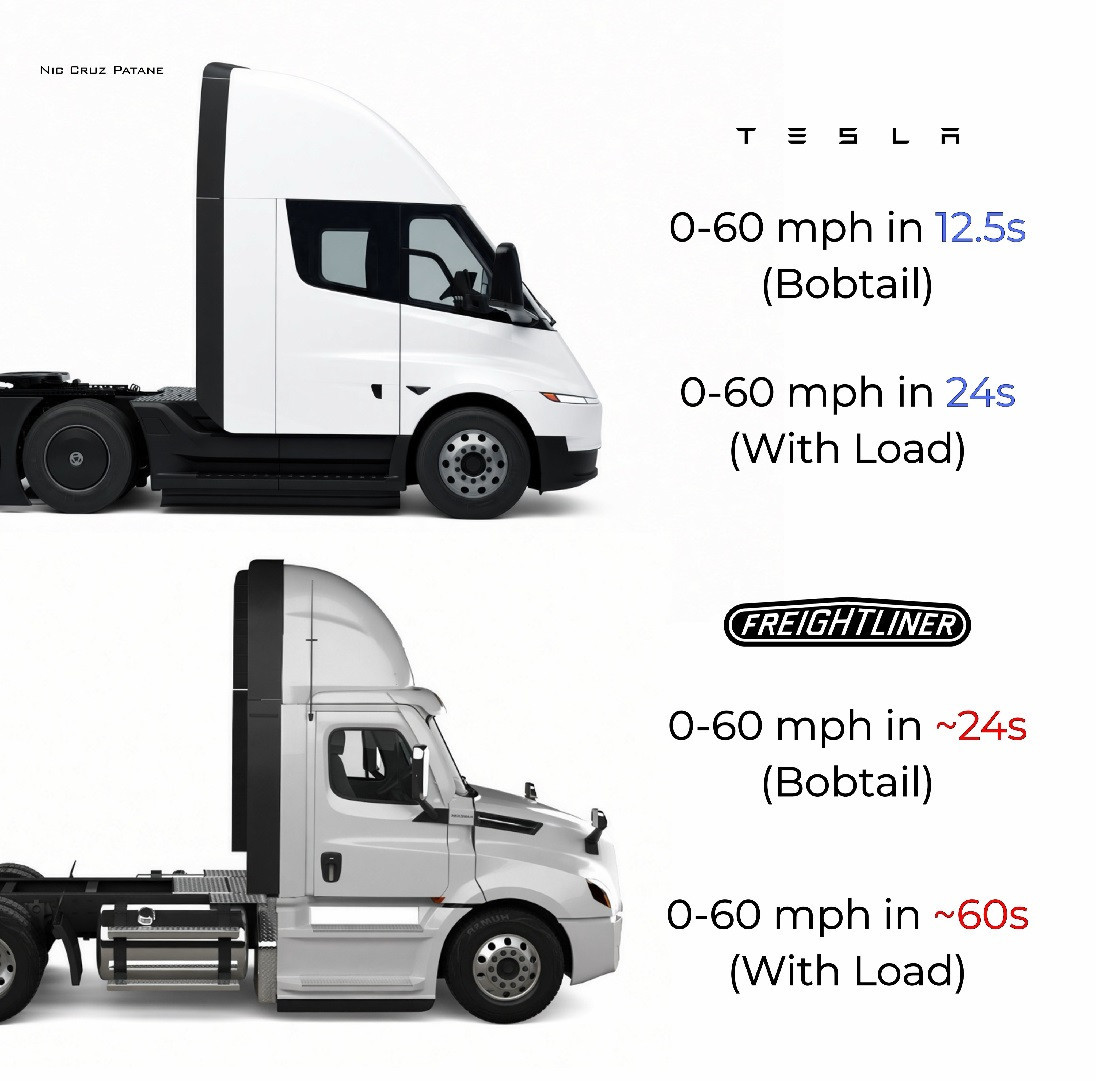
    The @Tesla_Semi
    can hit 60 mph fully loaded in about the same time as a diesel Semi with no trailer.
    Comments (0)
    Post is under moderation
    Stream item published successfully. Item will now be visible on your stream.
  • Alex Garin uploaded a new video in Electric Trucks News
    BYD present electric truck ETT 44 in Europe!

    BYD has made its surprise entry into Europe's heavy-duty electric truck market, unveiling the ETT 44 at IAA Transportation 2026 in Hannover on September 14. The 44-tonne flagship tractor pairs a 651 kWh Blade Battery with megawatt-class...

    BYD has made its surprise entry into Europe's heavy-duty electric truck market, unveiling the ETT 44 at IAA Transportation 2026 in Hannover on September 14. The 44-tonne flagship tractor pairs a 651 kWh Blade Battery with megawatt-class charging and a five-star Euro NCAP safety rating — landing in the same week, and the same show, as Tesla's own European Semi reveal.

    600km
    Claimed range (372 miles)
    651kWh
    Blade Battery capacity
    1.5MW
    Peak megawatt charging power
    1,000hp
    Peak drive power

    BYD's Widest-Ever European Commercial Lineup

    The ETT 44 headlines what BYD Commercial Vehicles is calling its widest European line-up to date, spanning battery-electric trucks from 3.5 to 44 tonnes. Alongside the flagship tractor, BYD showed new 28-tonne rigid 4×2 and 6×2 trucks — including a swap-body variant and a hooklift version — plus a preview of a light-duty urban model and the E-Vali electric van. BYD says it will back the hardware push with charging infrastructure, energy storage, energy management, and financing services for European fleet customers.

    European deliveries of the ETT 44 are reported for the second quarter of 2027, with BYD also signaling plans for European production by 2027 rather than exporting from China indefinitely.

    Specifications

    Configuration
    4×2 tractor unit, up to 44-tonne gross combination weight
    Battery
    651 kWh Blade Battery (LFP), 851V nominal system voltage
    Range (claimed)
    Up to 600 km (372 miles)
    Power
    733 hp rated, up to 1,000 hp (986-1,000 PS) peak
    Megawatt charging
    1.5 MW+ MCS, 20-80% in ~20 minutes
    CCS2 charging
    Up to 420 kW, 20-80% in ~60 minutes
    Battery warranty
    10 years / 1.2 million km (745,645 miles)
    Driver assistance
    Level 2+ ADAS-ready, activation as regulations evolve
    Safety rating
    Euro NCAP 5-star + CitySafe award
    Portfolio range
    3.5 to 44 tonnes across the wider European lineup
    European deliveries
    Reported from Q2 2027

    Range, charging, and power figures are manufacturer claims made at unveiling and remain subject to final market-specific confirmation.

    A Safety-First Pitch

    BYD is leaning hard on independent validation to build European trust: the ETT 44 became the first long-haul electric truck assessed under Euro NCAP's truck safety programme, scoring 89% for Safe Driving, 73% for Crash Avoidance, and 80% for Post-Crash Safety, alongside five-star and CitySafe honors. Euro NCAP specifically praised the truck's direct vision — helped by a low cab position, lower-door glazing, and camera-based digital eMirrors — while noting room for improvement in some frontal and lane-departure collision-avoidance functions. Only two other long-haul trucks, from Mercedes-Benz and Scania, matched that five-star result at this year's assessment.

    How It Stacks Up Against Tesla and the Field

    The ETT 44's debut lands directly alongside Tesla's own European Semi announcement — both unveiled at the same Hannover show in the same week — setting up a direct range and charging comparison. BYD's 600 km claimed range and 1.5 MW peak charging edge out Tesla's confirmed European Semi figures of 550 km and 800 kW, at least on paper. Volvo, meanwhile, quotes up to 700 km for its new FH Aero Electric, also shown at IAA — though as outlets covering the show note, manufacturer-quoted figures across brands aren't directly comparable due to differing test conditions and duty cycles.

    With Tesla, Volvo, Daimler Truck, MAN, and Scania all showing new electric trucks at the same Hannover event, BYD's ETT 44 arrives into one of the most competitive weeks Europe's heavy-duty EV market has seen — and BYD is betting that a big battery, fast charging, and a clean safety record are enough to win a foothold against entrenched European truck makers.

     
    More
    0
    0
    0
    0
    0
    0
    Comments (0)
    Post is under moderation
    Stream item published successfully. Item will now be visible on your stream.
  • Alex Garin uploaded a new video in Electric Trucks News
    Kia PV7 electric van has been revealed at IAA Transportation,

    Kia unveiled the PV7 at IAA Transportation 2026 in Hannover, Germany, on September 14 — the second model in its dedicated all-electric Platform Beyond Vehicle (PBV) lineup, and a significantly bigger van than the PV5 that preceded it. At over...

    Kia unveiled the PV7 at IAA Transportation 2026 in Hannover, Germany, on September 14 — the second model in its dedicated all-electric Platform Beyond Vehicle (PBV) lineup, and a significantly bigger van than the PV5 that preceded it. At over 17.5 feet long, with up to 460 km of WLTP range and room for nine passengers or a serious cargo load, the PV7 is Kia's clearest push yet into the heart of the light commercial vehicle market.

    460km
    WLTP range, Long Range Cargo
    200kW
    Motor output
    8,000L
    Max cargo volume, high-roof
    9
    Passenger seating capacity

    Kia's PBV Strategy Scales Up

    The PV7 is the second vehicle in Kia's dedicated Platform Beyond Vehicle program, following the PV5 — which was named the 2026 International Van of the Year. Where the PV5 established the PBV concept, the PV7 is built specifically to move Kia further into the light commercial vehicle segment with more space, payload, and configurability. Kia previewed the model with teaser images back on August 31 before the full public debut in Hannover.

    At IAA Transportation 2026, running September 15-20, Kia is showing three PV7 variants alongside seven PV5 derivatives, underlining how central the PBV family has become to its commercial vehicle strategy.

    Specifications

    Platform
    Dedicated E-GMP.S architecture, 800V
    Motor (launch)
    200 kW / 420 Nm, front-wheel drive; AWD planned
    Battery options
    71.5 kWh or 96.2 kWh, NCM chemistry
    Range
    Over 460 km WLTP (Long Range Cargo)
    Body variants
    PV7 Cargo (Compact, Long, High Roof) and PV7 Passenger (Compact, Long)
    Cargo volume
    6,100 L (long-body) up to 8,000 L (high-roof), VDA standard
    Cargo door options
    Rear barn doors or lift-up tailgate; two- or three-seat front row
    Passenger seating
    Up to 9 occupants, flexible/convertible layouts
    Software
    Pleos Connect infotainment, Gleo AI generative assistant, OTA updates
    Design
    One-box profile, flat floor, black hood/pillar trim, signature lighting graphics
    Launch markets
    South Korea and Europe in 2027; Australia confirmed for Q4 2027

    Cargo and Passenger, Built for Business

    The PV7 Cargo is aimed squarely at fleet and delivery operators, with a low loading height and up to 8,000 liters of cargo volume in its high-roof configuration — enough to sit as a genuine rival to established players like the Ford Transit Custom and Renault Trafic. The PV7 Passenger version leans into flexible seating and long-distance comfort, positioning it for shuttle, MPV, and business-transport use rather than pure cargo hauling.

    Kia is also emphasizing conversion flexibility and fleet management tools across the range, continuing the modular, business-first pitch that's defined the PBV lineup since the PV5.

    Where It's Headed

    Kia confirmed the PV7 will launch in South Korea and Europe in 2027, with Australia following in the fourth quarter of 2027 in local specification. That timeline puts it on a similar horizon to several rival electric LCVs currently expanding across those same markets, setting up a competitive fight in a segment that's rapidly electrifying.

    With the PV5 already crowned International Van of the Year and the PV7 now scaling that formula up into a genuinely large, flexible commercial EV, Kia is positioning its PBV family as a serious, dedicated alternative to the traditional van makers — built from the ground up as electric rather than adapted from a combustion platform.

    Sources
    Kia Corporation official newsroom — "Kia PV7 Expands All-Electric PBV Lineup with Greater Capacity and Flexibility," September 14, 2026.
     
    More
    0
    0
    0
    0
    0
    0
    Comments (0)
    Post is under moderation
    Stream item published successfully. Item will now be visible on your stream.
  • Electric trucks last news.
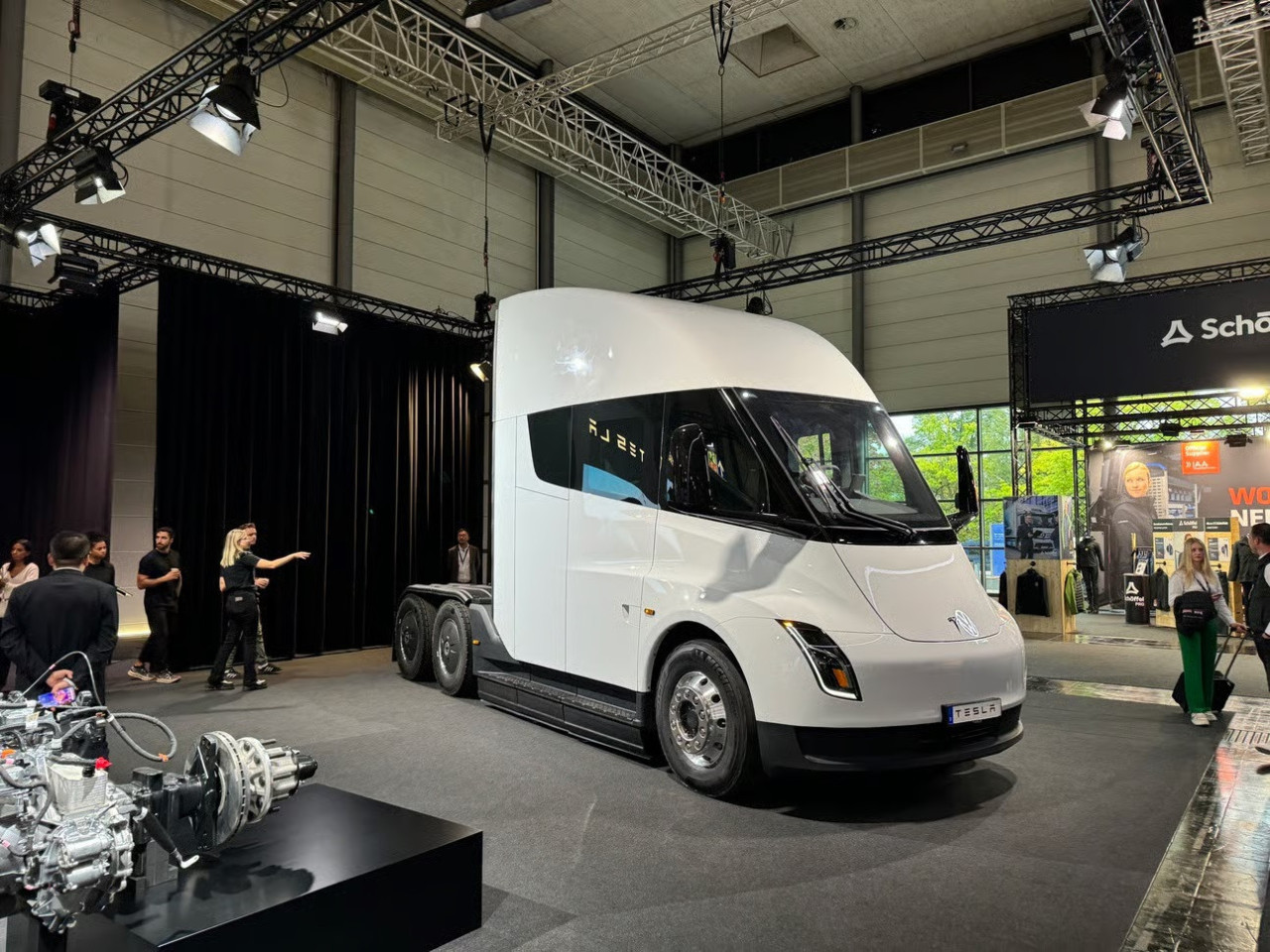
    Electric trucks and buses pointed toward IAA Transportation (September 15–20) and early fleet moves.
    Tesla confirmed the Semi is coming to Europe, revealing specs September 11 ahead...
    Electric trucks last news.
    Electric trucks and buses pointed toward IAA Transportation (September 15–20) and early fleet moves.
    Tesla confirmed the Semi is coming to Europe, revealing specs September 11 ahead of a full IAA Transportation reveal in Hannover (Sept 15-20): up to 550 km range at 40 tonnes, 800 kW Megacharger peak power, European deliveries starting 2027.
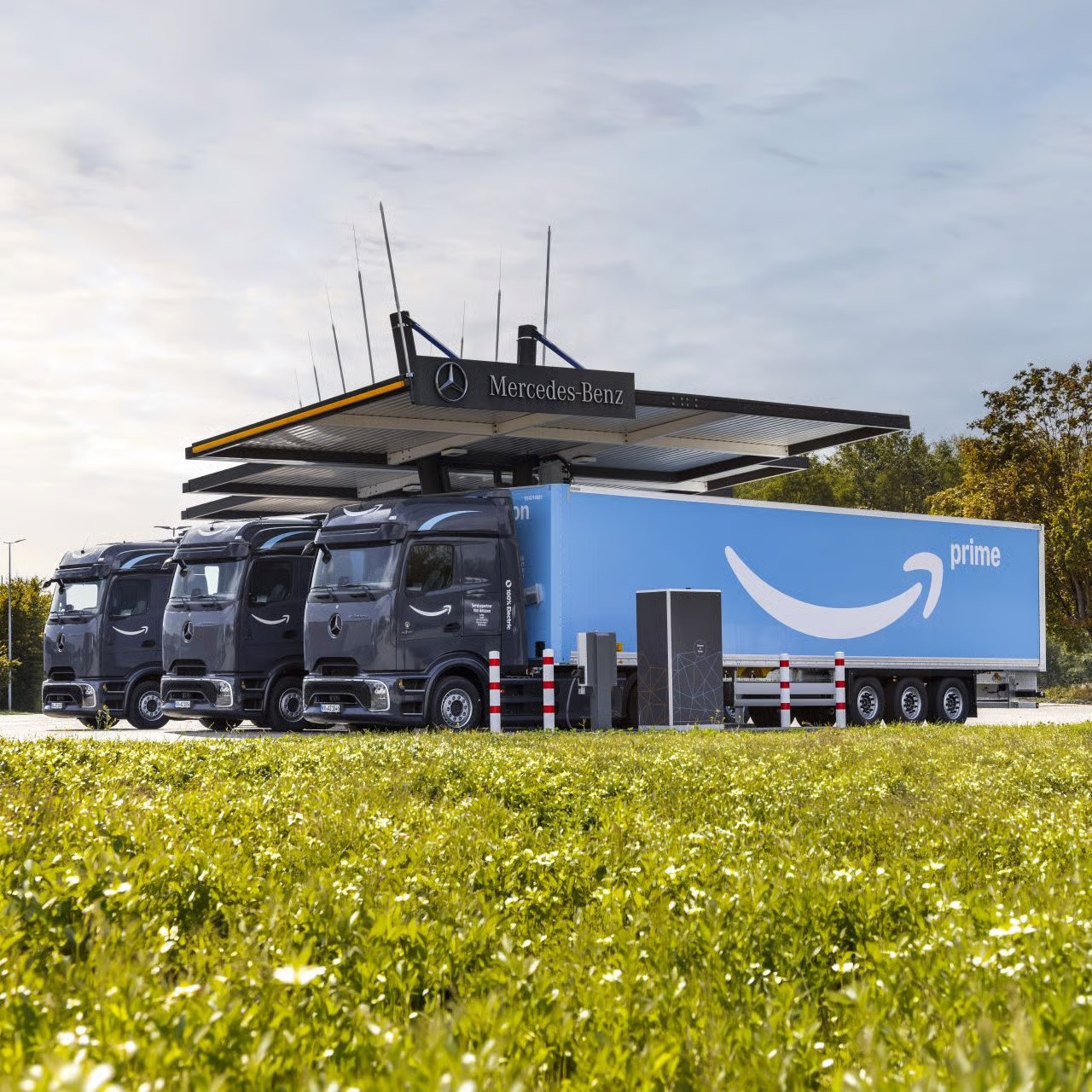
    Amazon began receiving Mercedes-Benz eActros 600 trucks in Germany and planned 50 units before year-end; Einride ordered 500 Tesla Semis for North American operations.
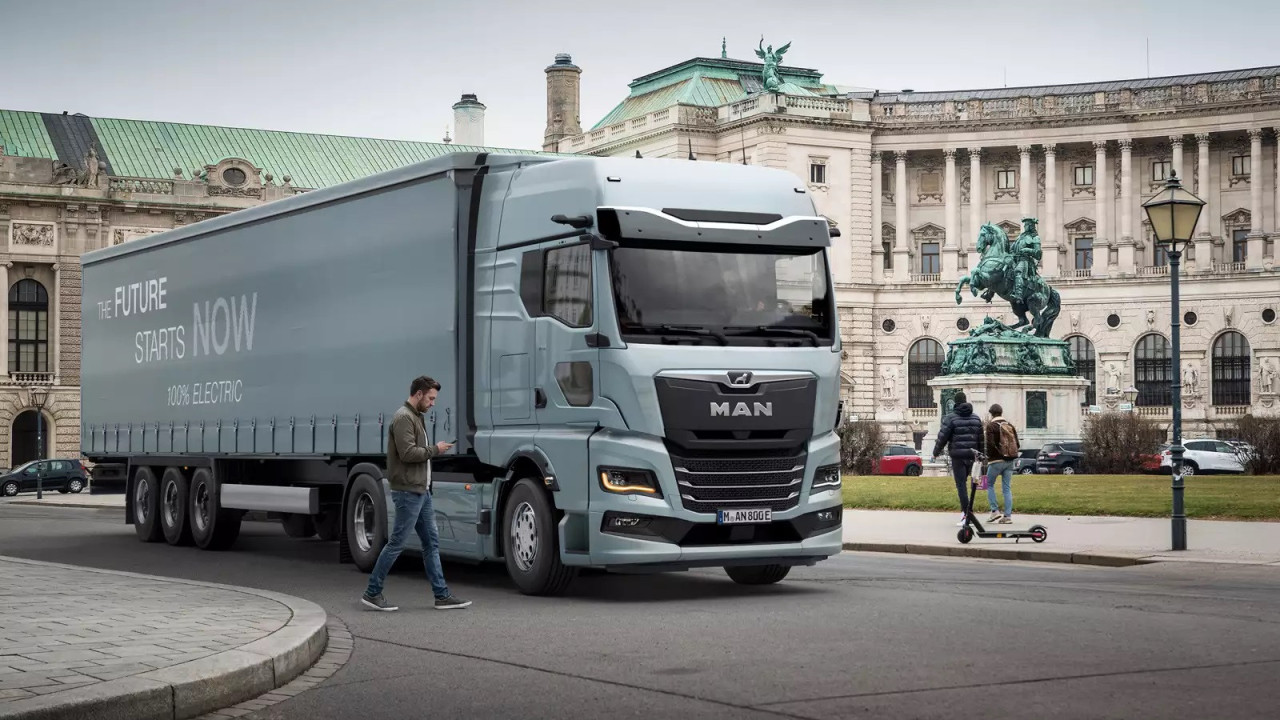
    MAN published a report arguing early depot-charged electric trucks can deliver up to a 13% TCO advantage.
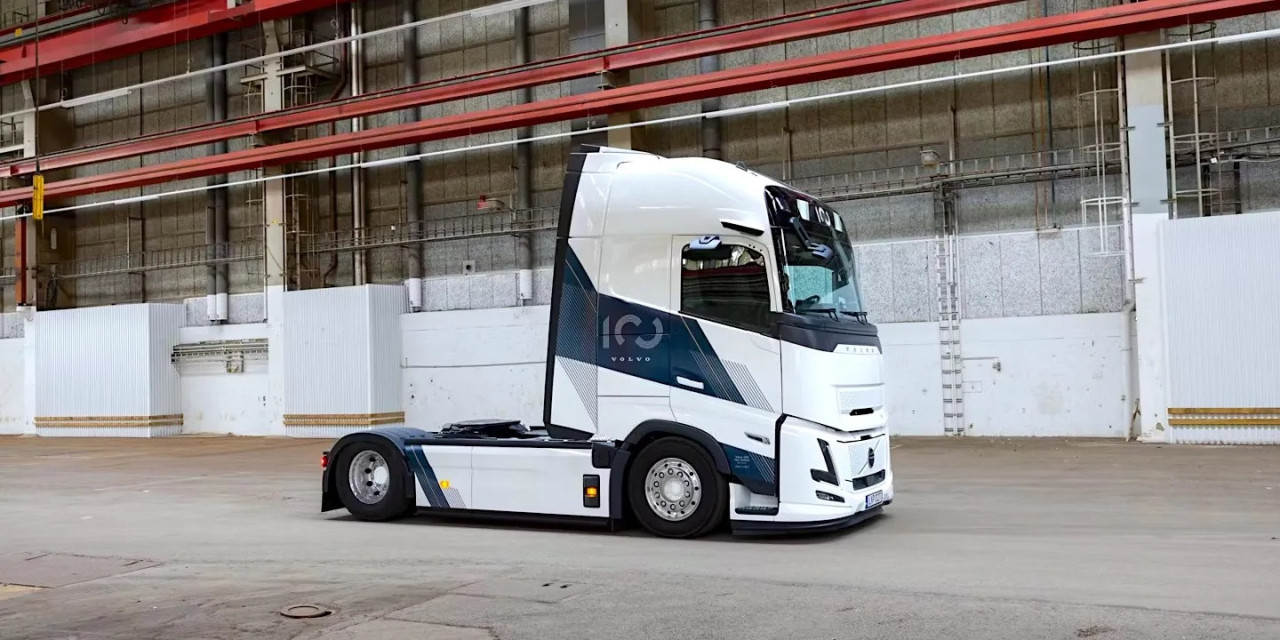
    Volvo marked its centenary with a special-edition FH16 Electric.
    CATL and Octopus Energy are forming a 50-50 joint venture to build a heavy-truck battery swap network in Europe, targeting UK pilot stations by 2027 and 30+ sites by 2035.
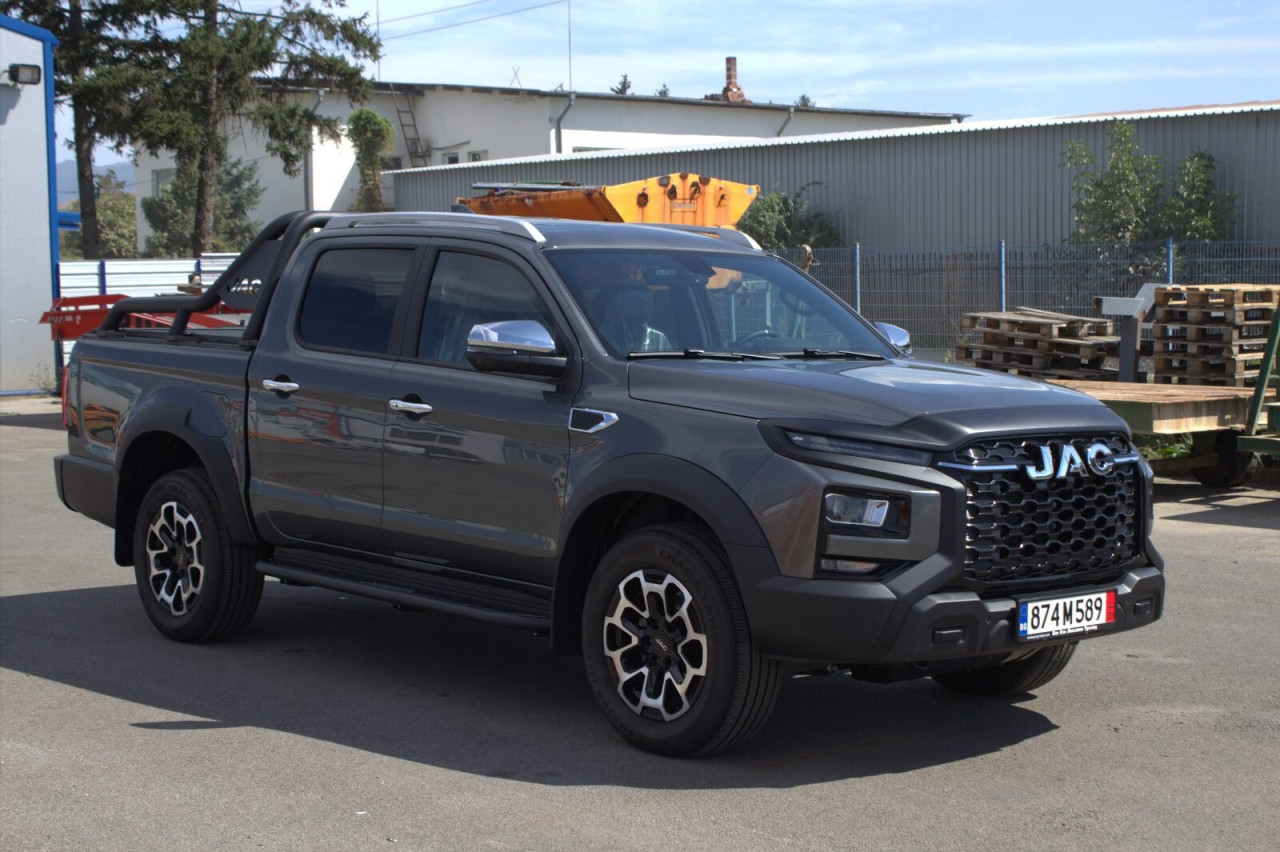
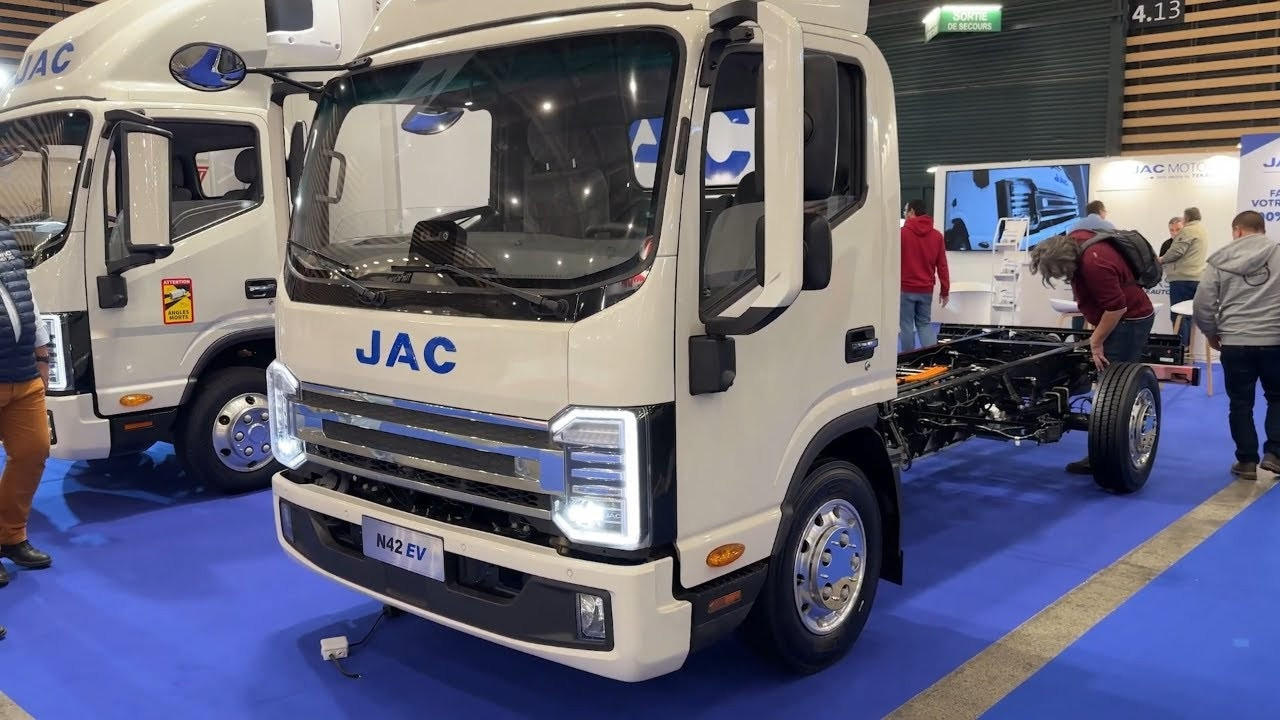
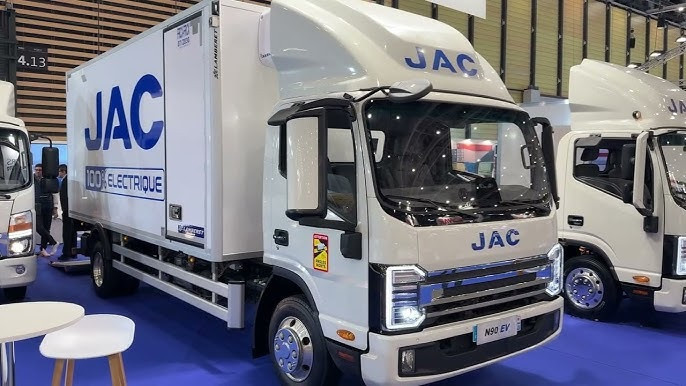
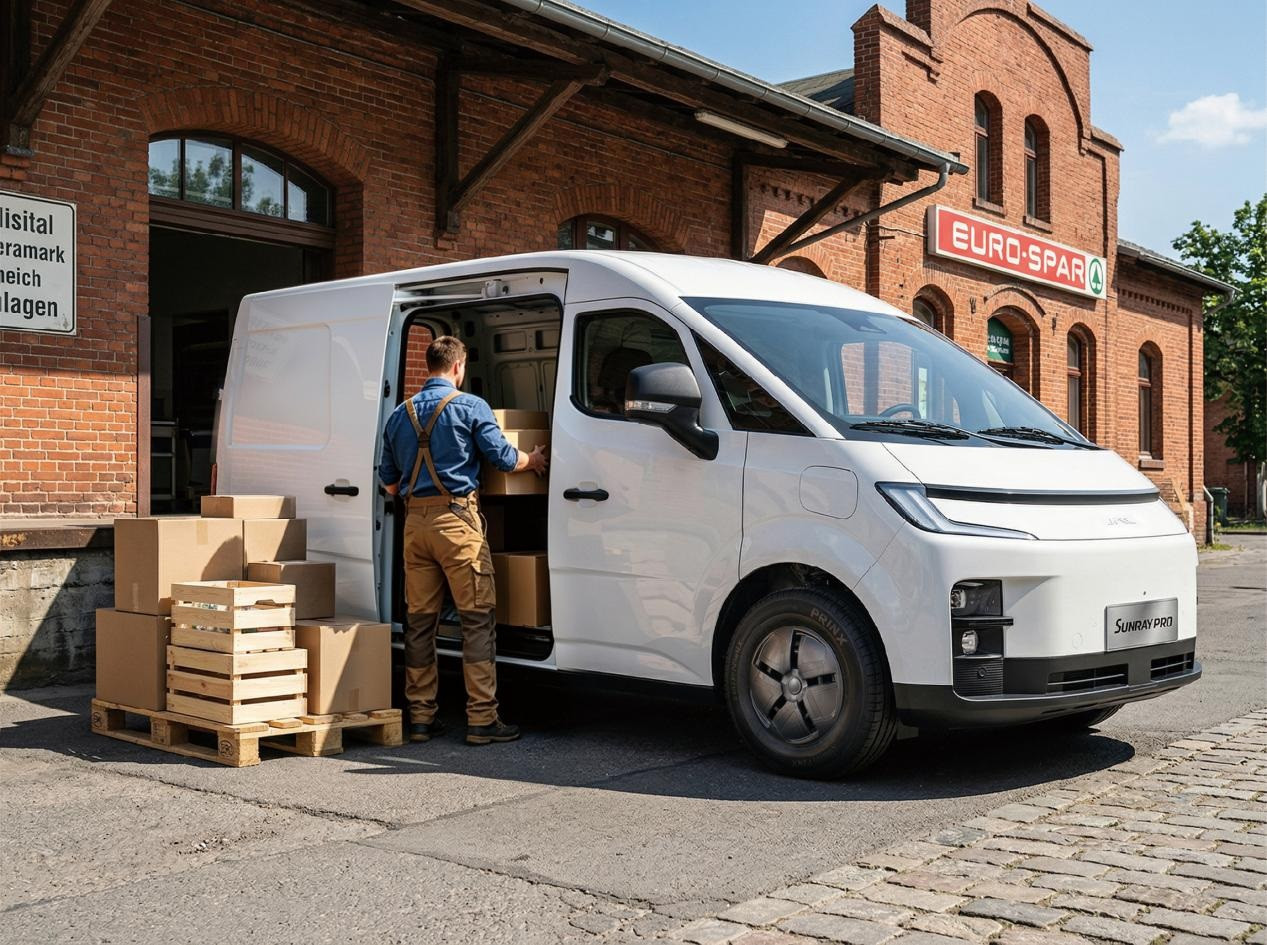
    JAC Motors showed a four-model electric commercial lineup at IAA Transportation, including the N90 EV and N42 EV light trucks and a Sunray Pro electric van.
    More
    0
    0
    0
    0
    0
    0
    Comments (0)
    Post is under moderation
    Stream item published successfully. Item will now be visible on your stream.
  •   Chinese Electric Vehicle Market News reacted to this post about 1 month ago
    BYD has commenced nationwide deliveries 2027 BYD SeaLion 08 EV

    BYD has commenced nationwide deliveries of its latest SUV, the Sealion 08.

    BEV Specifications:

    Performance: Single-motor models feature outputs of 320 kW (429 hp) or 370 kW (496 hp). The dual-motor version pairs a 215 kW (288 hp) front motor...

    BYD has commenced nationwide deliveries of its latest SUV, the Sealion 08.

    BEV Specifications:

    Performance: Single-motor models feature outputs of 320 kW (429 hp) or 370 kW (496 hp). The dual-motor version pairs a 215 kW (288 hp) front motor with a 370 kW (496 hp) rear motor.
    Battery & Charging: Available with 92.093 kWh or 115.072 kWh battery packs, providing a CLTC-rated range of 800 km (648 km WLTP) or 900 km (729 km WLTP). The vehicle supports flash charging, capable of gaining a 70% charge in five minutes and a full charge in nine minutes under optimal conditions.

    More
    Comments (0)
    Post is under moderation
    Stream item published successfully. Item will now be visible on your stream.
  • Electric Trucks News uploaded a new video
    Volvo FH16 Electric: 100 Year Edition Marks Centenary

    Volvo Trucks is marking a century of truck-building with a new 100 Year Edition, available to order from September 2026 across its flagship FH, FH16, FH Aero, and FH16 Aero range — including the zero-emission FH16 Electric. It's a prelude to...

    Volvo Trucks is marking a century of truck-building with a new 100 Year Edition, available to order from September 2026 across its flagship FH, FH16, FH Aero, and FH16 Aero range — including the zero-emission FH16 Electric. It's a prelude to Volvo Group's official centenary in 2027, and a showcase for how far the brand's heavy-duty lineup has come, from diesel workhorse to battery-electric flagship.

    1927
    Year Volvo Group was founded
    666hp
    Peak output, Volvo FH Electric
    470km
    Maximum electric range
    4
    Models getting the anniversary treatment

    A Century in the Making

    Volvo Group traces its roots back to 1927, and with 2027 marking the official centenary, Volvo Trucks is getting a head start with a special commemorative edition of its heavy-duty range. The 100 Year Edition spans the FH, FH16, FH Aero, and FH16 Aero — meaning it's offered across the brand's current diesel, gas, and electric powertrains, not as a standalone new model. Orders open in September 2026.

    Design Director Jonathan Disley described the edition as inspired by Volvo's Swedish heritage, while Jan Hjelmgren, Head of Product Management at Volvo Trucks, called it "the result of 100 years' worth of continual improvement in safety, quality, driver comfort, productivity, fuel efficiency and emissions saving."

    What's New in the 100 Year Edition

    Models covered
    FH, FH16, FH Aero, FH16 Aero
    Powertrains
    Electric, diesel, and gas
    Order availability
    From September 2026
    Exterior
    Two-tone paint with anniversary striping
    Seats
    Two-tone design, premium leather base, embroidered centenary motif
    Cabin details
    Illuminated doorsteps, red/white LED console lighting, welcome-light projection
    Decor touches
    3D-printed speaker grilles, curtains depicting Volvo trucks through history
    Flooring
    Thicker black/grey mélange floor mat with tan leather labels

    The FH16 Electric: Volvo's Flagship Goes Zero-Emission

    The star of the electric side of the anniversary lineup is the Volvo FH Electric platform, which underpins the FH16 Electric. It pairs twin electric motors with an eight-speed powershift transmission, delivering up to 490 kW (666 hp) of continuous power — output that puts it in the same performance class as Volvo's most powerful diesel engines, just without the tailpipe.

    • Battery capacity of up to 540 kWh across four to six battery packs
    • Range of up to 470 km depending on configuration and duty cycle
    • Fast-charging support up to 350 kW, enabling a 20-80% charge in around 65 minutes
    • Battery lifespan rated for up to ten years, with an onboard monitoring system for accurate charge-state readouts
    • Integrated drive unit combining driveline, power electronics, and transmission in a single package

    That combination of heavy-duty torque and genuine long-haul range is what makes the electric FH16 a credible flagship rather than a niche city-delivery vehicle — suited to construction site haulage, city-to-city delivery, and increasingly, longer assignments as charging infrastructure matures.

    Part of a Longer Tradition

    The 100 Year Edition isn't Volvo's first commemorative special edition — it follows the FH 25 Year Special Edition, the FH Aero Euro NCAP Special Edition, and the Volvo Ocean Race Limited Edition. What sets this one apart is timing: it lands at the exact moment Volvo's truck lineup has gone fully multi-powertrain, letting the company celebrate a century of diesel engineering and its electric future in the same package.

    A century after Volvo Group's founding, its flagship truck can now be ordered with a battery instead of a diesel tank — and Volvo is using its 100th-anniversary edition to put that shift front and center, rather than treating electrification as a side note to its heritage.   

    More
    0
    0
    0
    0
    0
    0
    Comments (0)
    Post is under moderation
    Stream item published successfully. Item will now be visible on your stream.
  • New EV motorcycles, uploaded a new video
    LIVEWIRE HONCHO REVIEW

        Harley-Davidson's LiveWire continues pushing its smaller, cheaper S4 Honcho line as a way to lower the entry barrier for electric riders.
    The custom and enthusiast scene remains overwhelmingly gas-powered, with Harley-Davidson running a...

        Harley-Davidson's LiveWire continues pushing its smaller, cheaper S4 Honcho line as a way to lower the entry barrier for electric riders.
    The custom and enthusiast scene remains overwhelmingly gas-powered, with Harley-Davidson running a six-round Bagger World Cup on MotoGP weekends and Indian Motorcycle relaunching as an independent company under Carolwood LP.

    More
    0
    0
    0
    0
    0
    0
    Comments (0)
    Post is under moderation
    Stream item published successfully. Item will now be visible on your stream.
  • JAC Motors unveiled a four-model electric lineup at IAA Transportation 2026 in Hanover, including the N90 EV and N42 EV light-duty electric trucks, the Sunray Pro electric van, and a T9 plug-in hybrid pickup rated for up to 1,000 km combined range.
    0
    0
    0
    0
    0
    0
    Comments (0)
    Post is under moderation
    Stream item published successfully. Item will now be visible on your stream.
  •   Chinese Electric Vehicle Market News reacted to this post about 1 month ago
    The updated Geely Panda Mini Karting Edition.

    On September 7, Geely unveiled an updated version of the Panda Mini electric car amid declining demand. This version is called the Karting Edition and features a sporty design, including a front spoiler and a large rear wing on the roof. These...

    On September 7, Geely unveiled an updated version of the Panda Mini electric car amid declining demand. This version is called the Karting Edition and features a sporty design, including a front spoiler and a large rear wing on the roof. These design elements are purely decorative, as the Panda Mini has a top speed of 100 km/h. However, demand for such vehicles among young Chinese buyers is strong.

    The updated Geely Panda Mini Karting Edition, powered by a CATL lithium iron phosphate battery, has hit the Chinese market with a starting price of 43,900 yuan (US$6,540), with a limited-time discount. It's an attractive three-door hatchback, 3.1 meters long, with a range of 210 km and a maximum power output of 40 hp.

    More
    Comments (0)
    Post is under moderation
    Stream item published successfully. Item will now be visible on your stream.
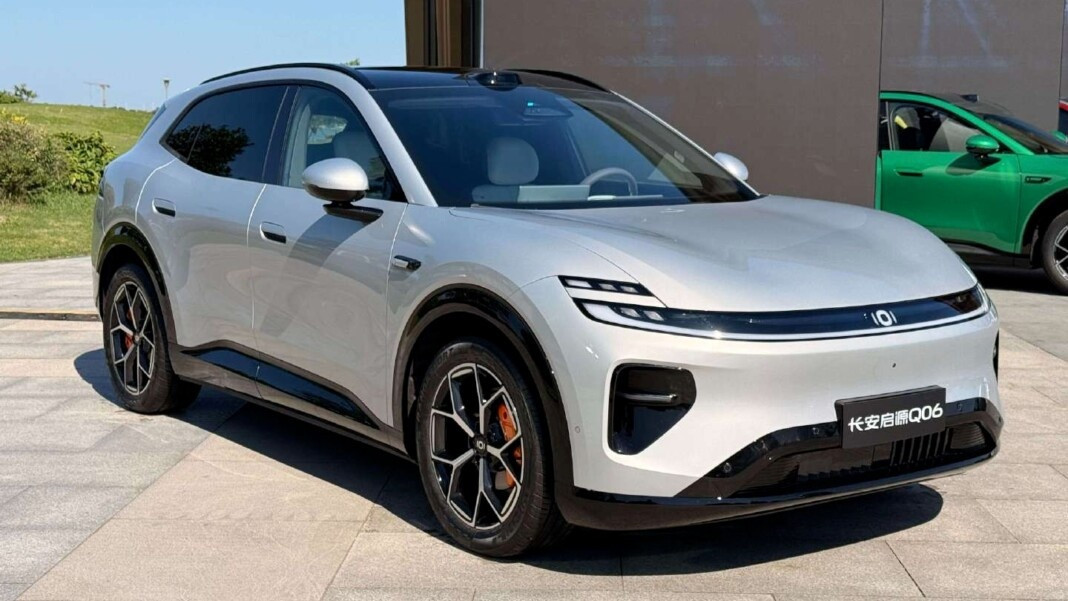
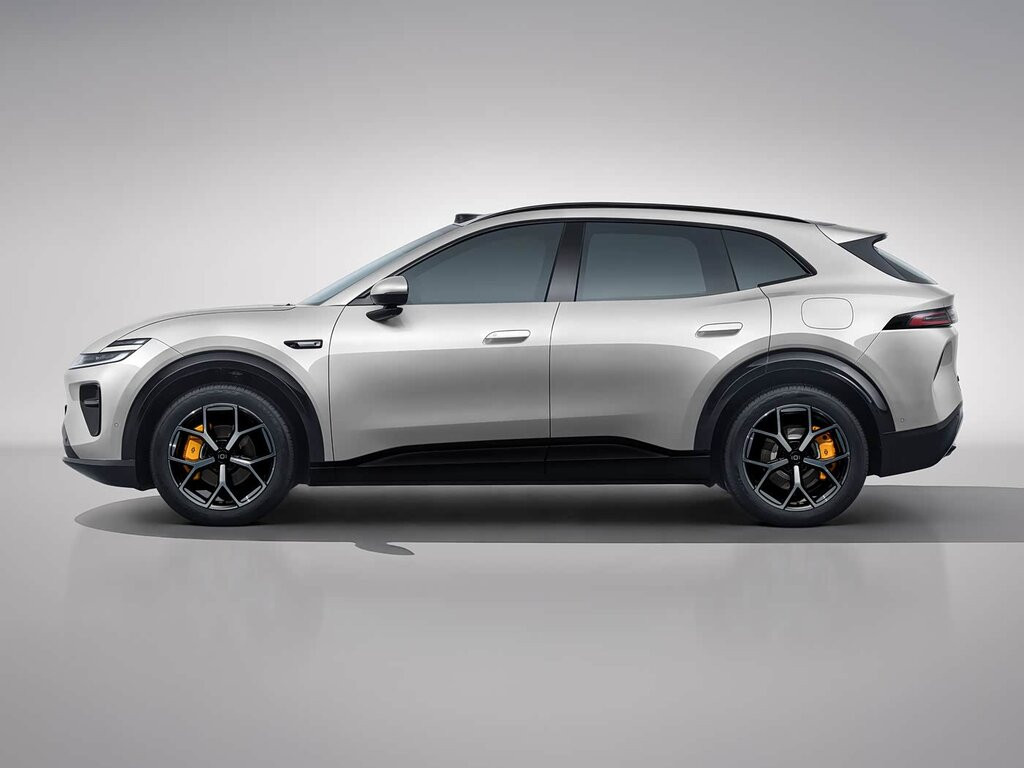
  • Changan has officially launched pre-sales for its Qiyuan (Nevo) Q06. Along with the vehicle's debut, Changan unveiled its signature "SDA Pilot" integrated intelligent control system. This vehicle is available in a dual-motor, rear-wheel drive...
    Changan has officially launched pre-sales for its Qiyuan (Nevo) Q06. Along with the vehicle's debut, Changan unveiled its signature "SDA Pilot" integrated intelligent control system. This vehicle is available in a dual-motor, rear-wheel drive configuration.
    Pre-sale pricing for the various configurations ranges from 149,900 yuan (US$22,000) to 191,900 yuan (US$28,200).
    Fully electric: Available in single-motor and dual-motor rear-wheel drive configurations.
    Single motor output: 225 kW (302 hp) and 245 kW (329 hp).
    Combined output of the two electric motors: 330 kW (443 hp), enabling acceleration from 0 to 100 km/h in 4.8 seconds. Charging: Built on an 800V high-voltage silicon carbide platform, it supports 6C fast charging, capable of boosting the battery from 30% to 80% in 9 minutes.
    Battery Options: Four capacity options are available (CALB or CATL lithium iron phosphate batteries with capacities of 63.18 kWh, 66.02 kWh, 72.54 kWh, and 80.02 kWh), with a maximum electric range of 700 km.
    More
    0
    0
    0
    0
    0
    0
    Comments (0)
    Post is under moderation
    Stream item published successfully. Item will now be visible on your stream.
  • The Luxeed RX, electric crossover from Chery and Huawei, began presales in China

    The Luxeed RX, a sporty electric crossover from Chery and Huawei, began presales in China on August 20, starting at 299,800 yuan (~$44,550). Styled by ex-Ferrari designer Werner Gruber, the RX takes direct aim at the Xiaomi YU7 in one of...

    The Luxeed RX, a sporty electric crossover from Chery and Huawei, began presales in China on August 20, starting at 299,800 yuan (~$44,550). Styled by ex-Ferrari designer Werner Gruber, the RX takes direct aim at the Xiaomi YU7 in one of China's most crowded premium EV segments.

    The RX is the first SUV under Huawei's HIMA (Harmony Intelligent Mobility Alliance) to break from the alliance's numerical naming convention, joining the Luxeed S7 sedan, R7 coupe-SUV, and V9 minivan. It's offered in two presale trims — 299,800 yuan and 359,800 yuan (~$53,465) — with the base variant getting an in-cabin LiDAR and the top trim built around an architecture designed for L3 autonomous driving.

    A near-twin for the Xiaomi YU7

    The RX measures 5,020 mm long, 2,007 mm wide, and 1,585–1,600 mm tall on a 3,000 mm wheelbase — dimensions that closely mirror the Xiaomi YU7. Power comes from either a 277 kW (371 hp) single-motor rear-drive setup or a dual-motor all-wheel-drive configuration combining 160 kW and 277 kW motors, for a combined output of roughly 594 hp on the top variant. CLTC range tops out at 852 km.

    Four LiDAR sensors and a redundant driving stack

    Built on Huawei's Tuling platform and Chery's "343" architecture, the RX runs Huawei's next-generation Giant Whale battery platform and a rare 4-LiDAR array — most premium Chinese EVs use between one and three. Luxeed also fits a fully redundant architecture for power, communications, and perception, aimed at supporting more advanced assisted-driving features than its siblings.

    Chassis tuned for track-day claims

    The RX rides on dual-chamber air suspension with six-piston front brake calipers, an all-aluminum double-wishbone front end, and a five-link independent rear. Luxeed says chassis tuning involved former Aston Martin CEO Tobias Moers, and that the RX completed an evasive lane-change maneuver at over 250 km/h on a banked oval proving ground, with Huawei citing a sub-1ms decision-chain latency for its centralized driving-control system.

    Luxeed handed over 9,906 vehicles in China during July 2026, and the RX is expected to officially launch this fall following the presale period — with pricing already positioning it above the Xiaomi YU7's entry trim and squarely against the recently launched Voyah Passion S.

    Sources
    CarNewsChina — "Chery's Luxeed RX started presales in China to take on Xiaomi YU7," 20 August 2026. carnewschina.com ↗
    CnEVPost — "Huawei-backed Luxeed opens pre-orders for RX coupe SUV, taking aim at Xiaomi YU7," 20 August 2026. cnevpost.com ↗
    More
    0
    0
    0
    0
    0
    0
    Comments (0)
    Post is under moderation
    Stream item published successfully. Item will now be visible on your stream.
  • Gac Aion Ray 7 electric sedan debut

    GAC Aion has officially introduced the all-new Ray series, making its debut with the unveiling of the Ray 7 — a fastback electric sedan the brand is calling "a super electric sedan loved by young people." It's also the first GAC Aion model to...

    GAC Aion has officially introduced the all-new Ray series, making its debut with the unveiling of the Ray 7 — a fastback electric sedan the brand is calling "a super electric sedan loved by young people." It's also the first GAC Aion model to carry the company's freshly redesigned logo.

    Unveiled at the 2026 Chengdu Auto Show, the Ray 7 is a five-seat, all-electric sedan measuring 4,960 mm long, 1,900 mm wide, and 1,455 mm tall, on a 2,920 mm wheelbase. The proportions give it a low, wide-body stance with a fastback profile, semi-hidden door handles, a blacked-out C-pillar, and a full-width front light bar built around the new illuminated logo.

    Huawei motor, CATL batteries, 700 km range

    Power comes from a Huawei-supplied permanent-magnet synchronous motor producing 180 kW (241 hp), paired with LFP battery cells from CATL and GAC Aion's own Yinpai Battery subsidiary. GAC Aion rates the Ray 7 at up to 700 km of range and wraps the pack in its in-house "Magazine" battery safety technology.

    A "Super Chassis" and LiDAR-based ADAS

    GAC Aion says the Ray 7 is the world's first production car to use a "Super Chassis" built on a chip-level drive-and-control integration architecture, combined with Huawei's brake-by-wire EMB (Electromechanical Braking) system. Driver assistance is handled by a LiDAR-based system with algorithms GAC Aion says are derived from its Level 4 autonomous driving research, with an optional roof-mounted LiDAR sensor available.

    A brand on the rebound

    The Ray 7 arrives as GAC Aion works to reverse a rough 2025, when full-year sales fell 22.6% to 290,081 units. So far in 2026 the brand has rebounded sharply, selling 28,807 vehicles in July (up 36.4% year-on-year) and 210,386 units over the first seven months — a 62.1% increase over the same period in 2025.

    GAC Aion has not yet announced pricing or a launch date, but the Ray 7 is expected to land in the 200,000–250,000 yuan range (roughly $28,000–$35,000), putting it in direct competition with the Xiaomi SU7, Zeekr 007, and Shangjie Z7.

    Sources
    CnEVPost — "GAC Aion unveils Ray 7, first model with new logo, powered by Huawei drive unit," 20 August 2026. cnevpost.com ↗
    CarNewsChina — GAC Aion and Ray 7 coverage. carnewschina.com ↗
    More
    0
    0
    0
    0
    0
    0
    Comments (0)
    Post is under moderation
    Stream item published successfully. Item will now be visible on your stream.
There are no activities here yet
Unable to load tooltip content.