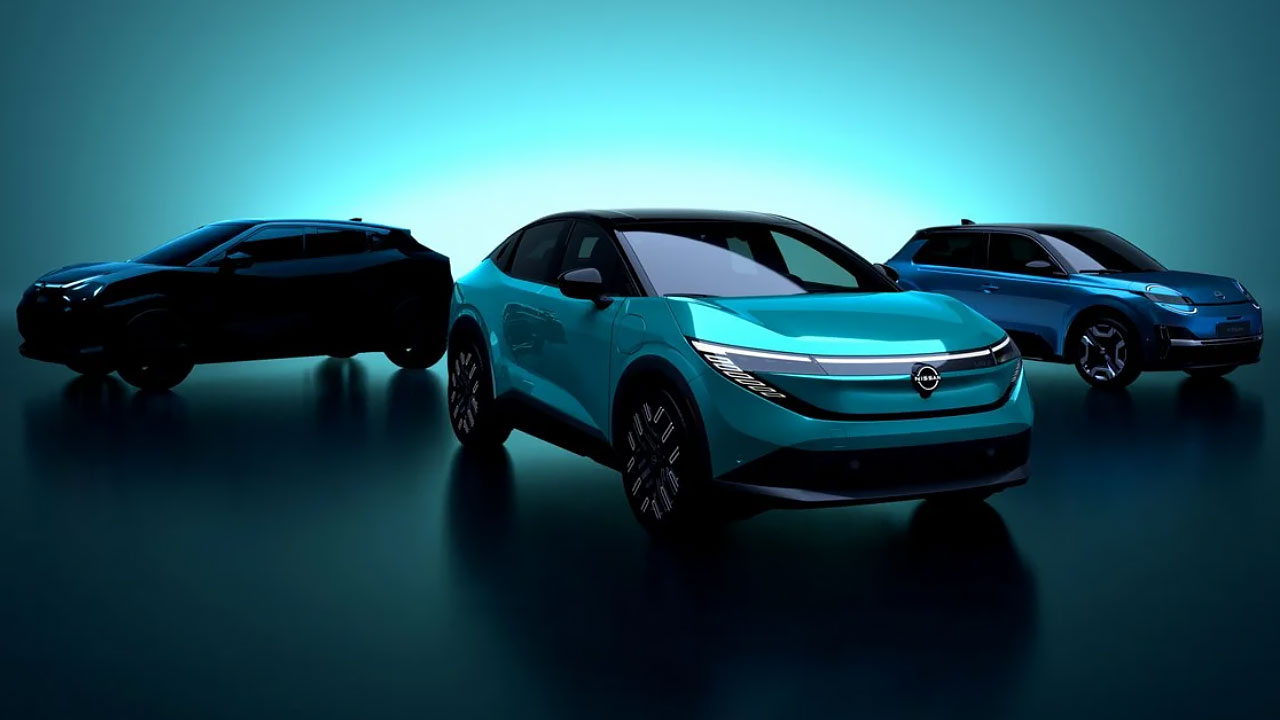

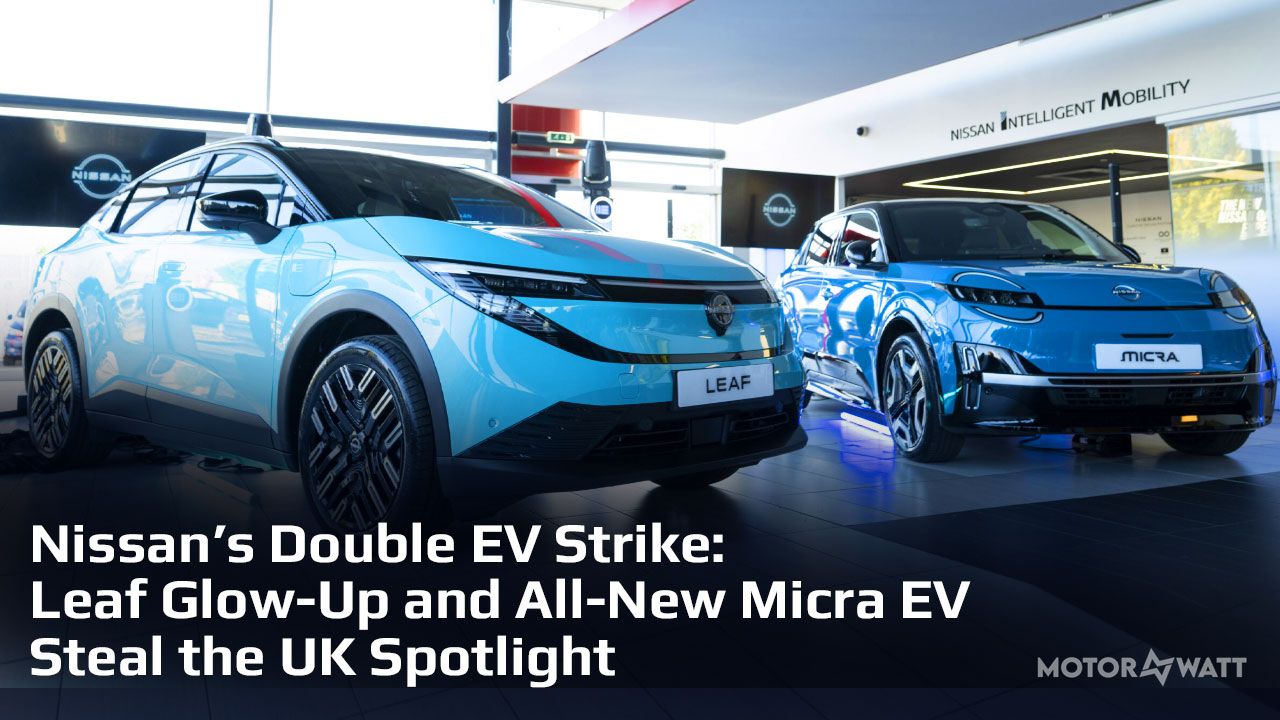
The Nissan Leaf 2026 and Micra EV 2026 are two electric cars designed to make sustainable driving mainstream again. The 2026 Leaf returns as a sharper, longer, and tech-savvier hatchback with up to 340 miles (547 km) of range, while the Micra EV joins as a compact urban sibling offering 220 miles (354 km) on a charge. Both ride on the Renault-Nissan-Mitsubishi CMF-BEV platform and share a mission: to make electric cars desirable and attainable for everyday people. Priced from around £23,495 for the Micra and £29,995 for the Leaf, they’re aimed squarely at buyers who want practicality, range, and a bit of personality without premium-brand price tags.
Design and Exterior Styling
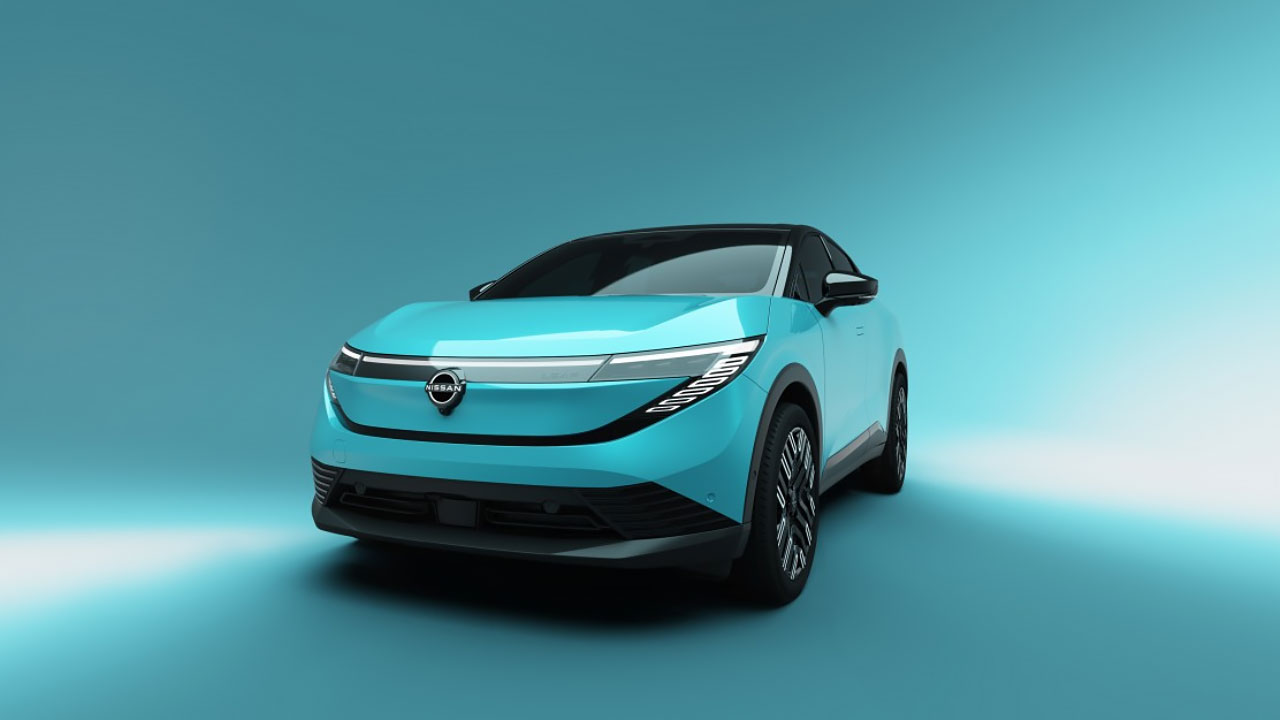
The 2026 Nissan Leaf finally outgrows its “eco-appliance” reputation. Gone is the bubble-car silhouette; in its place, a low-slung, sharp-edged hatchback that looks ready for 2025 rather than stuck in 2010. The new “Aero-Sculpt” design language stretches the car by 4.5 inches and widens it by 2 inches for better stance and stability.
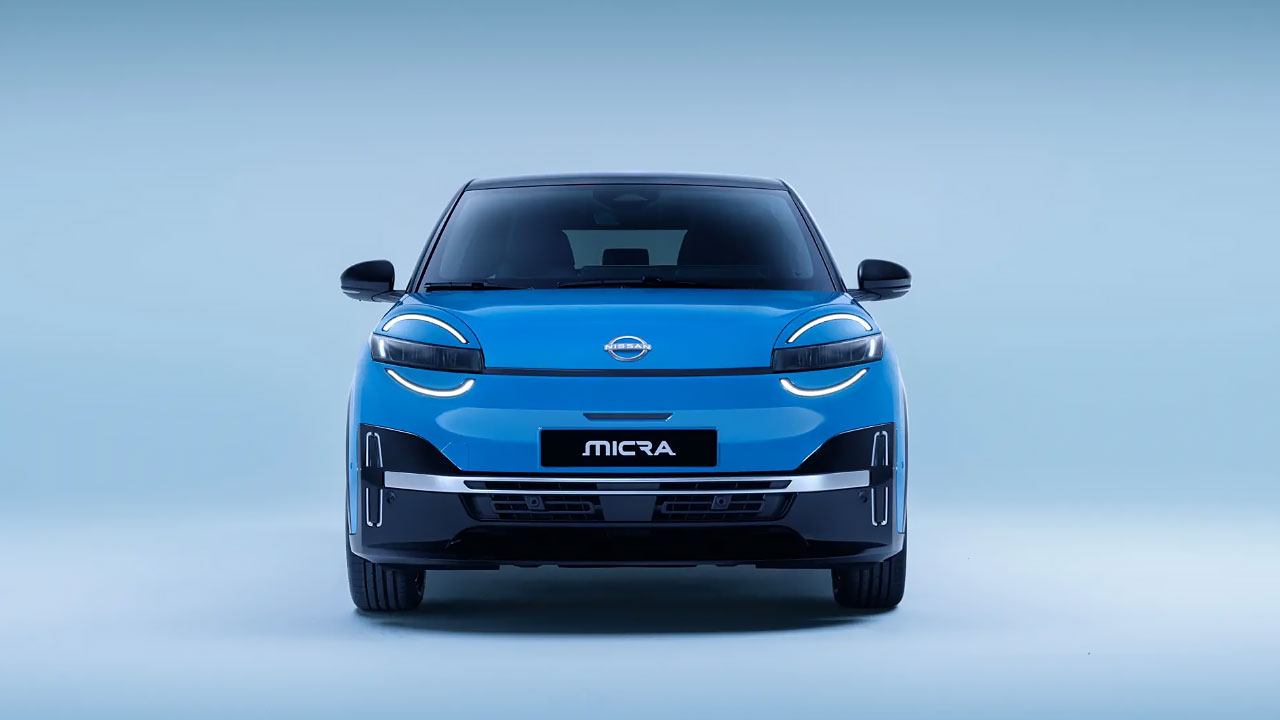
Meanwhile, the Micra EV channels retro charm with cues borrowed from the Renault 5—complete with a playful “Pixel-Pop” LED grille that doubles as a charge indicator. Both models feature flush door handles, 17-inch aero wheels, and smoother airflow, trimming drag and boosting range by about 10% compared to previous generations.
Performance, Range, and Charging
Nissan didn’t just tweak the look—it boosted performance, too. The Leaf’s standard 60 kWh LFP battery delivers 265 miles (426 km) WLTP, while the optional 87 kWh pack stretches to an impressive 340 miles (547 km). DC fast-charging hits 150 kW, taking the battery from 10% to 80% in just 28 minutes—faster than the time it takes to grab coffee and scroll TikTok. The Micra EV uses a smaller 52 kWh pack but still covers 220 miles (354 km) with ease, backed by a punchy 136 hp front-motor setup that hits 0–62 mph in 8.1 seconds. Both cars feature heat-pump climate control, regenerative braking modes, and V2G (vehicle-to-grid) capability for powering homes or feeding energy back to the grid—standard in the UK lineup.
Interior and Technology
Step inside, and it’s clear Nissan wants its EVs to feel like tech hubs on wheels. The Leaf’s 12.3-inch floating touchscreen runs NissanConnect 2.0, offering wireless Apple CarPlay, Android Auto, and over-the-air updates. A head-up display with augmented-reality navigation is optional for £650, but early demand is overwhelming. Cabin quality sees a huge jump—soft-touch panels, ambient lighting, and vegan-friendly materials create a modern, airy vibe. The Micra EV embraces sustainability even further with recycled denim seat fabric and a “Sunderland Sky” denim-blue launch color, a nod to its British assembly roots. Both models strike a balance between simplicity and sophistication—less clutter, more smart space.
Pricing and Affordability
For all the buzz about luxury EVs, Nissan’s duo is refreshingly affordable. The Leaf 60 kWh Visia starts at £29,995—around $37,900 USD—while the top-trim Tekna with the 87 kWh battery costs £37,995 (roughly $48,000 USD). Thanks to the UK plug-in grant, the base model is £3,000 cheaper than before. The Micra EV, starting at £23,495 (~$29,500 USD), undercuts rivals like the MINI Cooper SE and Fiat 500e by thousands. Factor in lower running costs—just pennies per mile—and both EVs hit the sweet spot for drivers who want efficiency without sacrifice. Nissan’s “EVs for the 95%” motto suddenly feels more than just marketing talk.
Public Hype and Social Buzz
Few car launches light up the internet like this one. Social feeds exploded under #LeafGlowUp, with memes, unboxings, and livestreams straight from Nissan’s Sunderland plant. Posts like “The Leaf finally looks like it belongs in 2025” went viral, while TikTok clips from factory workers racked up over 1.2 million views in hours. Nissan played along perfectly, opening a pop-up “Charge & Chips” café handing out free fish suppers for the first 500 test-drive signups. By 10 AM, the order books were already flooded—8,000 Micra deposits in the first hour alone. Suddenly, Nissan wasn’t just selling cars; it was selling vibes.
Nissan’s EV Strategy: Building for the 95%
With the Leaf and Micra EV, Nissan is refocusing on affordability rather than chasing high-priced luxury models. Both cars will be built in Europe—the Leaf in Sunderland, UK, and the Micra in Flins, France—securing over 2,100 local jobs and ensuring eligibility for £1,500 OZEV grants. Nissan’s approach targets teachers, nurses, and delivery drivers who need reliable transportation that doesn’t drain their budget or the planet. Deliveries kick off early 2026: Micra in January and Leaf in March. For the first time in years, Nissan seems poised to lead the everyday EV conversation, not just follow it.
Conclusion
Pros and Cons of the Nissan Leaf and Micra EV
- Pros: Affordable pricing; improved design; long range options up to 340 miles; fast 150 kW charging; practical for city driving; V2G capability; sustainable interiors; generous tech features.
- Cons: Limited performance variants; mid-tier materials in lower trims; smaller Micra range; competition from Chinese EV startups.
Final Thoughts
The 2026 Nissan Leaf and Micra EV show that electric driving doesn’t have to mean six-figure price tags or compromise. They’re stylish, efficient, and genuinely usable for daily life—cars you could hand the keys to anyone and know they’d “get it.” In an age of overcomplicated EVs, Nissan’s new duo delivers something rare: electric simplicity done right.
Related Video