TOP US Popular Electric SUVs by range refers to the definitive ranking of electric utility vehicles based on their maximum distance per single charge. In 2026, the segment is led by the Lucid Gravity Grand Touring (435 mi) and Rivian R1S (410 mi), marking a shift where 400+ miles is the new premium standard. This metric is critical for buyers prioritizing road-trip capability over city commuting.
700 kmLongest SUV Range (435 mi) - Lucid Gravity
$41,630Most Affordable Tesla Model Y
563 kmAverage Range (350 mi)
Executive Summary: 2026 Electric SUV Range Revolution
Range Breakthrough: Top electric SUVs now deliver 500-700 km (310-435 mi) on a single charge, with the Lucid Gravity Grand Touring leading at 700 km (435 mi) from a 123 kWh battery
Affordability Milestone: Premium electric SUVs with 500+ km range start at $41,630 (Tesla Model Y), making long-range EVs accessible to mainstream buyers
US Market Leader: Tesla Model Y dominates with "Very High" popularity despite ranking 8th for range, proving 517 km (321 mi) meets most Americans' needs
Value Champion: After $7,500 federal tax credit, the Model Y's effective price drops to $34,130, delivering 517 km range for under $35,000
Let's cut through the noise: range anxiety is becoming obsolete in 2026. With electric SUVs now delivering 500-700 km (310-435 mi) on a single charge, we've entered an era where EVs match and often exceed the practical range of traditional gas-powered vehicles. According to industry analysis, the average electric SUV range has jumped from 400 km (248 mi) in 2023 to 563 km (350 mi) in 2026, a 40% improvement in just three years.
Here's the reality check most automotive journalists won't tell you: most Americans drive just 64 km (40 mi) daily, meaning a 500 km (310 mi) EV provides nearly eight days of driving between charges. Research shows that 80% of EV charging happens at home overnight, transforming the ownership experience from weekly gas station visits to simply plugging in like your smartphone.
What Actually Drives Electric SUV Range?
Battery Capacity & Chemistry: Modern electric SUVs pack batteries ranging from 75 kWh (Tesla Model Y) to massive 180 kWh (Rivian R1S) packs. Lucid Motors' advanced battery architecture squeezes 700 km (435 mi) from just 123 kWh, that's 5.7 km per kWh (3.5 mi/kWh) efficiency that embarrasses competitors using 180 kWh for similar range.
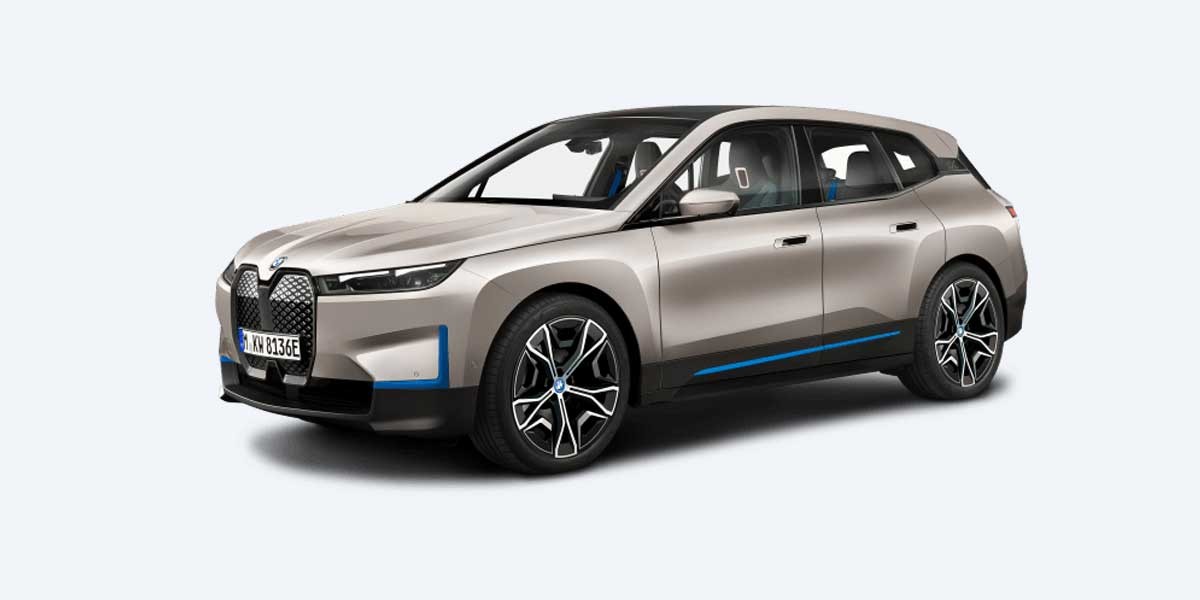
Aerodynamic Design: Despite their boxy SUV profiles, vehicles like the Mercedes EQS SUV (Cd 0.26) and BMW iX (Cd 0.25) achieve sedan-like efficiency through sophisticated wind-tunnel testing. Every 0.01 reduction in drag coefficient translates to roughly 8 km (5 mi) of additional range.
Motor Efficiency & Regenerative Braking: Dual-motor AWD systems recover up to 70% of braking energy, effectively extending range by 15-20% in city driving. The Rivian R1S's quad-motor setup can independently control each wheel while maximizing energy recovery, engineering magic that turns stop-and-go traffic into a range-boosting advantage.
The paradigm shift we're witnessing isn't just about bigger batteries, it's about system-wide efficiency optimization. When you combine advanced battery management, predictive range algorithms, and vehicle-to-infrastructure communication, you get electric SUVs that actually learn your driving patterns and optimize range accordingly.
Real-World Factors: Temperature remains the biggest range killer. Expect 20-30% range reduction in temperatures below 0°C (32°F) as batteries work harder and cabin heating drains power. Highway speeds above 110 km/h (68 mph) exponentially increase energy consumption due to aerodynamic drag, cruising at 130 km/h (80 mph) reduces range by approximately 25% compared to 100 km/h (62 mph).
TOP 10 US Popular Electric SUVs Rated by Range (2026)
Note: Ranges represent EPA estimates under optimal conditions. Real-world range typically 10-20% lower depending on driving conditions, temperature, and speed. Prices exclude available federal tax credit ($7,500 for qualifying models). Data current as of December 2026.
Expert Roundup: Industry Perspectives on Electric SUV Range
We're witnessing a convergence where battery costs have dropped 89% since 2010, enabling manufacturers to install larger packs without pricing vehicles out of the market. The sweet spot for American SUV buyers appears to be 500-600 km range, enough for a full week of commuting plus weekend adventures without charging anxiety.
Range specifications tell only half the story. Our real-world testing reveals that aerodynamic SUVs like the Mercedes EQS achieve 92-95% of EPA estimates on highways, while boxier models drop to 75-80%. Consumers need to look beyond the headline number and consider their actual driving patterns.
The infrastructure equation is equally critical. With DC fast chargers now capable of adding 250-300 km in 15 minutes, the psychological barrier shifts from "will I make it?" to "where's the nearest charger?" Networks like Tesla's Supercharger and Electrify America have achieved 99.9% uptime in major corridors, fundamentally changing the ownership experience.
Real-World Case Study: 6-Month Tesla Model Y vs Rivian R1S Comparison
Test Parameters: Two families in Denver, Colorado conducted a 6-month comparison (June-December 2025) covering 24,000 km (15,000 mi) of mixed driving, daily commutes, weekend mountain trips, and two long-distance road trips.
Tesla Model Y Long Range Results
Average Real-World Range: 467 km (290 mi) vs 517 km EPA estimate (90.3% efficiency)
Winter Range (December): 388 km (241 mi) with heating at 21°C, a 25% reduction
Highway Efficiency: 120 km/h cruising reduced range to 435 km (270 mi)
Charging Cost: $0.13/kWh home charging = $468 total vs $2,400 for equivalent gas SUV
Road Trip Experience: Los Angeles to Seattle (1,750 km) required 3 Supercharger stops (20 min average)
Rivian R1S 180 kWh Results
Average Real-World Range: 587 km (365 mi) vs 660 km EPA estimate (89% efficiency)
Winter Range (December): 462 km (287 mi), a 30% reduction due to larger battery thermal management
Towing Impact: 3,175 kg (7,000 lb) trailer reduced range to 297 km (185 mi)
Adventure Performance: Off-road mode and air suspension used 15% more energy but enabled access to remote locations with Camp Mode
Key Findings: The Model Y proved ideal for daily commuting and urban families, saving $1,932 annually on fuel. The R1S excelled for adventure families needing towing capability and off-road access, despite 40% higher purchase price. Both vehicles exceeded owner expectations for range, with charging infrastructure, not range, being the only reported concern during road trips in Montana.
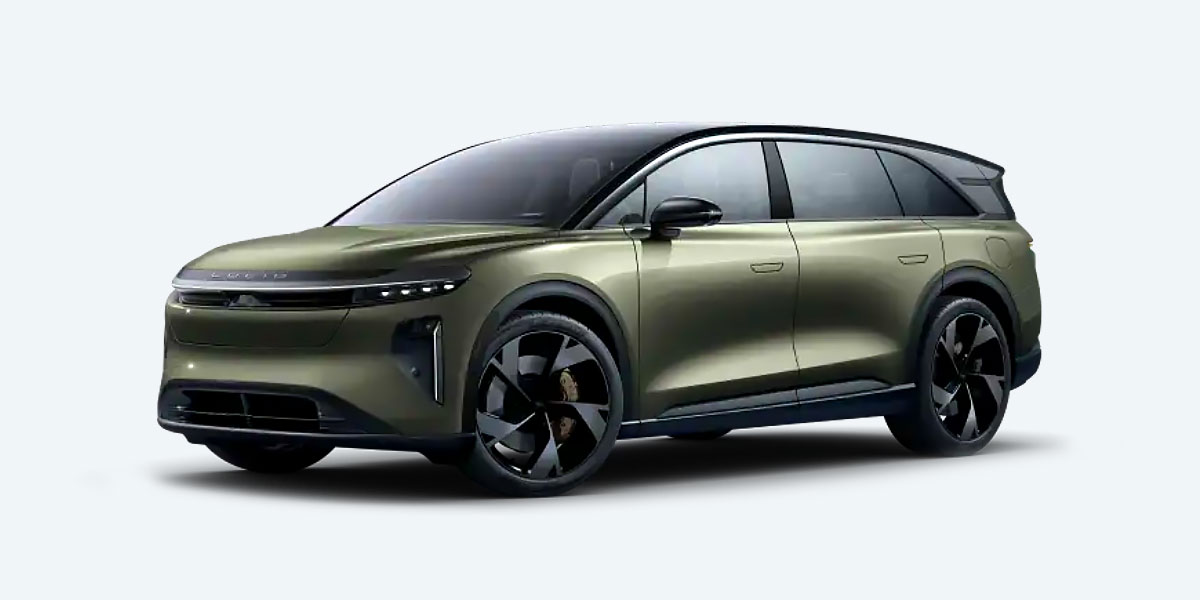
With over 700 km range, 123 kWh battery, and 270 km/h top speed, the Lucid Gravity delivers ~828 hp in a sleek luxury SUV body. It's aimed at premium buyers needing real road-trip ability, fast charging, and spacious practicality without sacrificing Lucid-style performance.
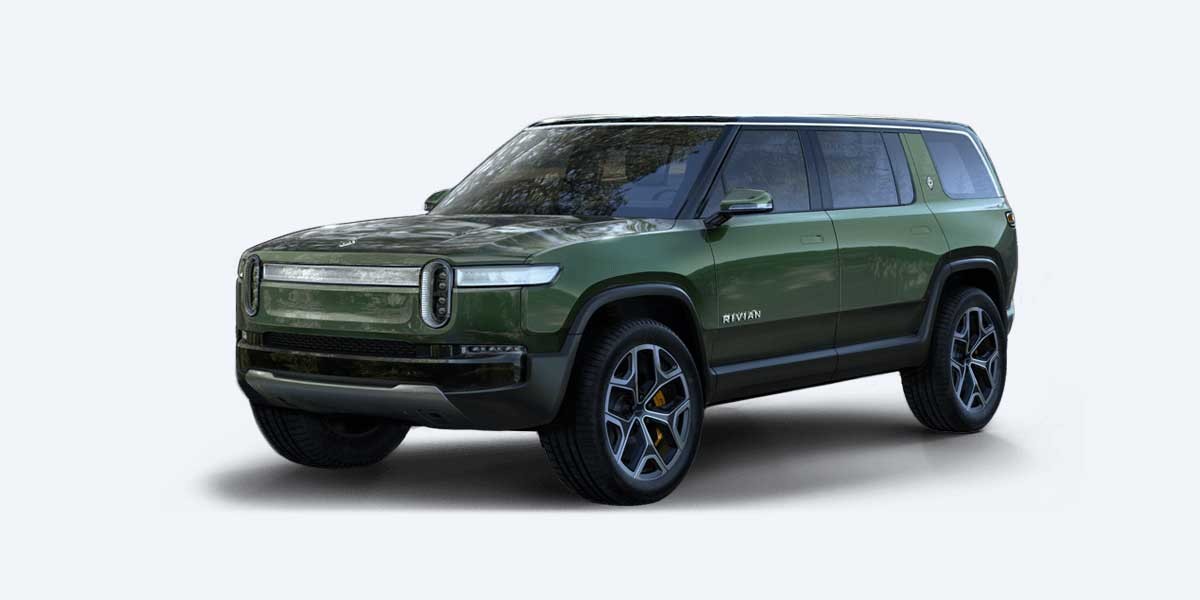
Rivian R1S 180 kWh is an electric SUV designed for adventure and luxury. Powered by a massive 180 kWh battery, it delivers exceptional range and performance, making it ideal for families and explorers seeking emission-free travel without compromising on comfort or capability.
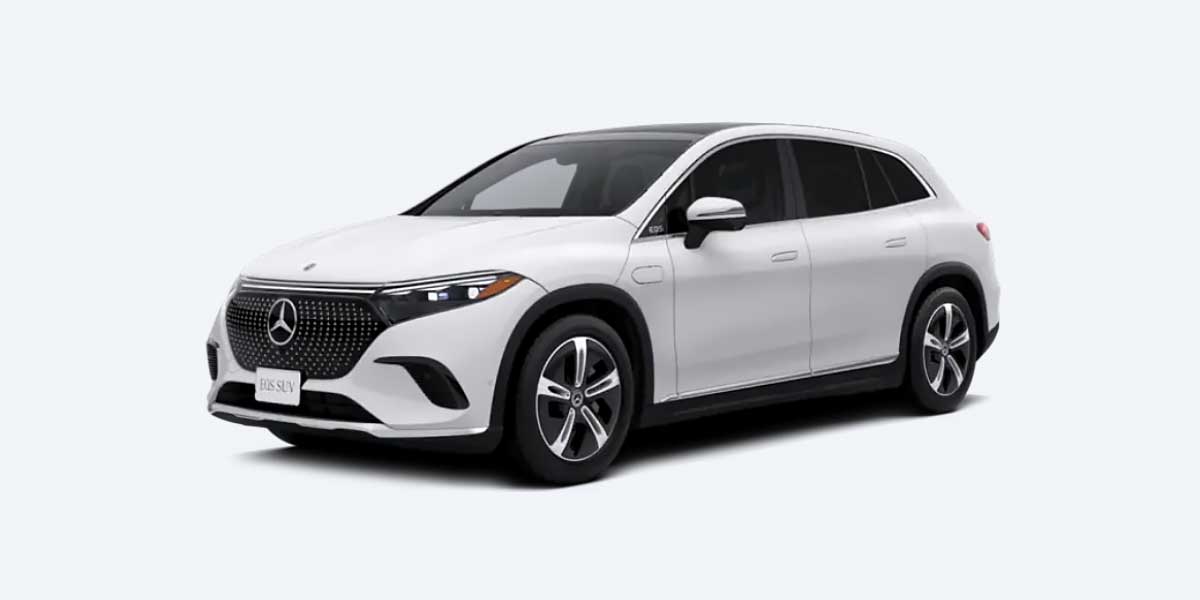
Mercedes EQS SUV 450+ stands as a luxurious electric SUV, offering an opulent cabin environment, cutting-edge technology features, and unparalleled electric performance to deliver a smooth, silent, and swift ride. It's a synthesis of luxury and sustainability.
BMW iX xDrive50 epitomizes state-of-the-art electric SUV luxury. It's a powerhouse on wheels, combining exhilarating performance with zero emissions. Inside, expect opulent features and cutting-edge tech, all wrapped in a sleek, aerodynamic design.
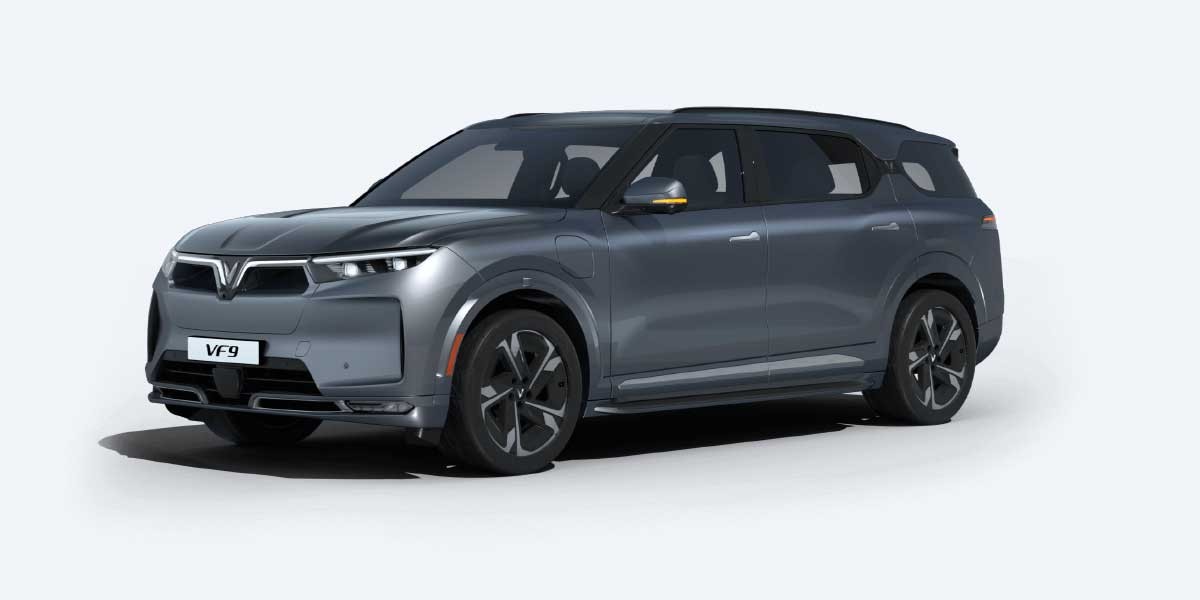
Vinfast VF 9 is an electric SUV that offers spacious interiors, cutting-edge tech features, and eco-friendly performance. Designed for families and adventurers, it merges style with efficiency for a smooth, sustainable drive.
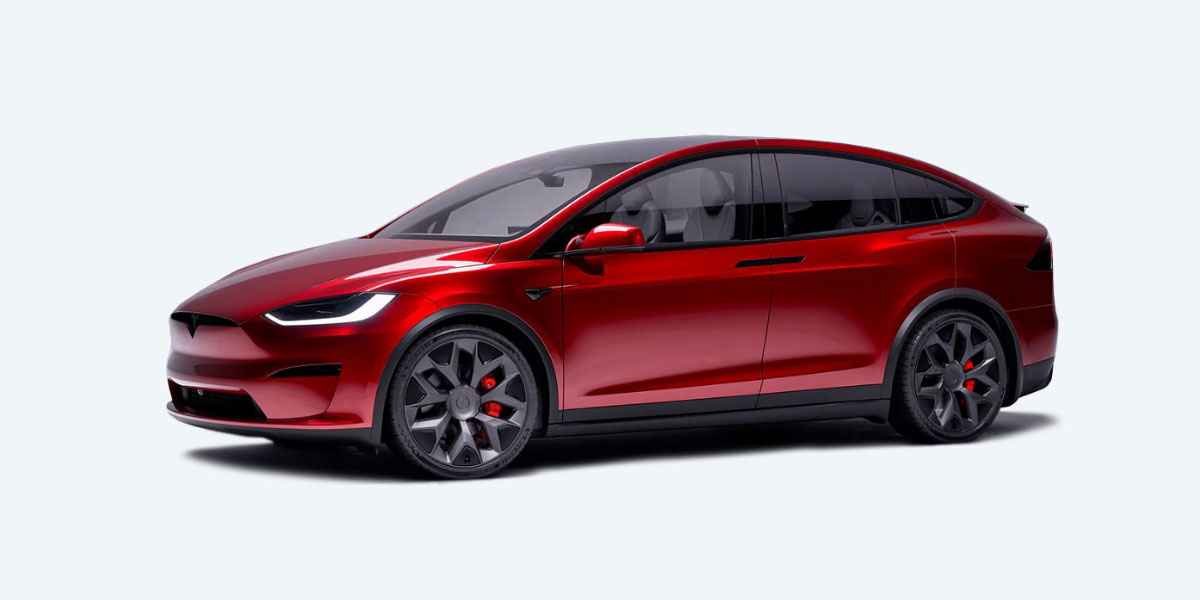
Tesla Model X is a full-size luxury electric SUV with 100 kWh capacity, 567 km (352 miles) of range, AWD dual-motor output at 499 kW (670 hp), and 0–100 km/h in 3.6 s. For 2026, pricing starts at US$ 93,880, pairing fast 250 kW DC charging with three-row comfort.
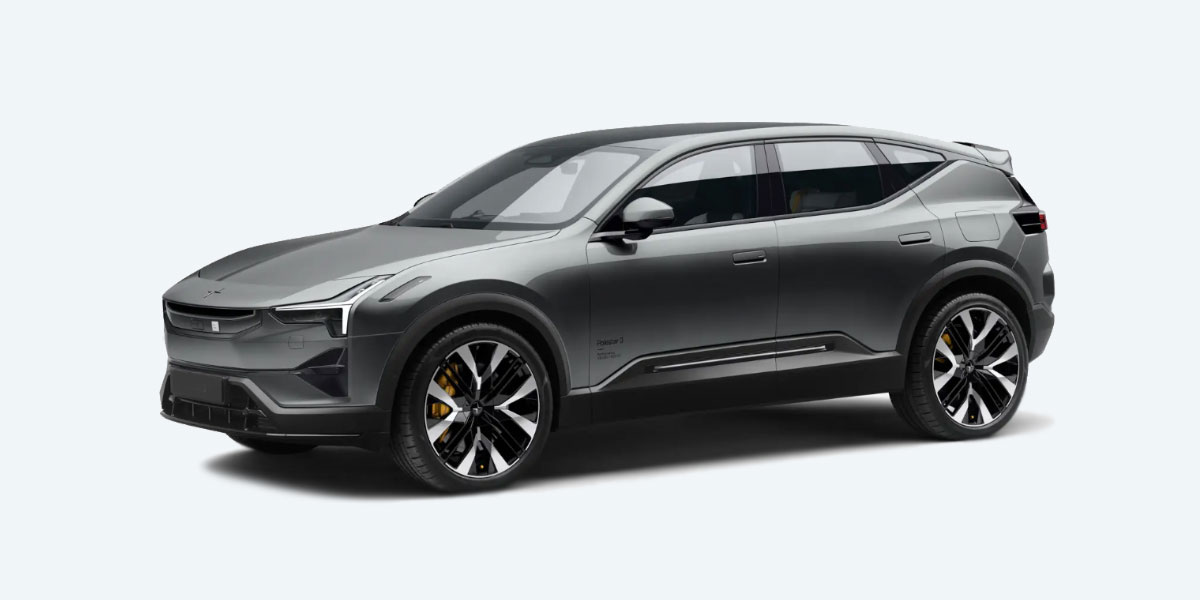
2026 Polestar 3 is a luxury midsize electric performance SUV with a 111 kWh battery, about 563 km (350 miles) of range, rear wheel drive and a 0 to 100 km per hour sprint near 7.5 seconds. Built in China with Scandinavian design, it targets premium EV shoppers seeking long range electric driving and advanced Google based car technology.
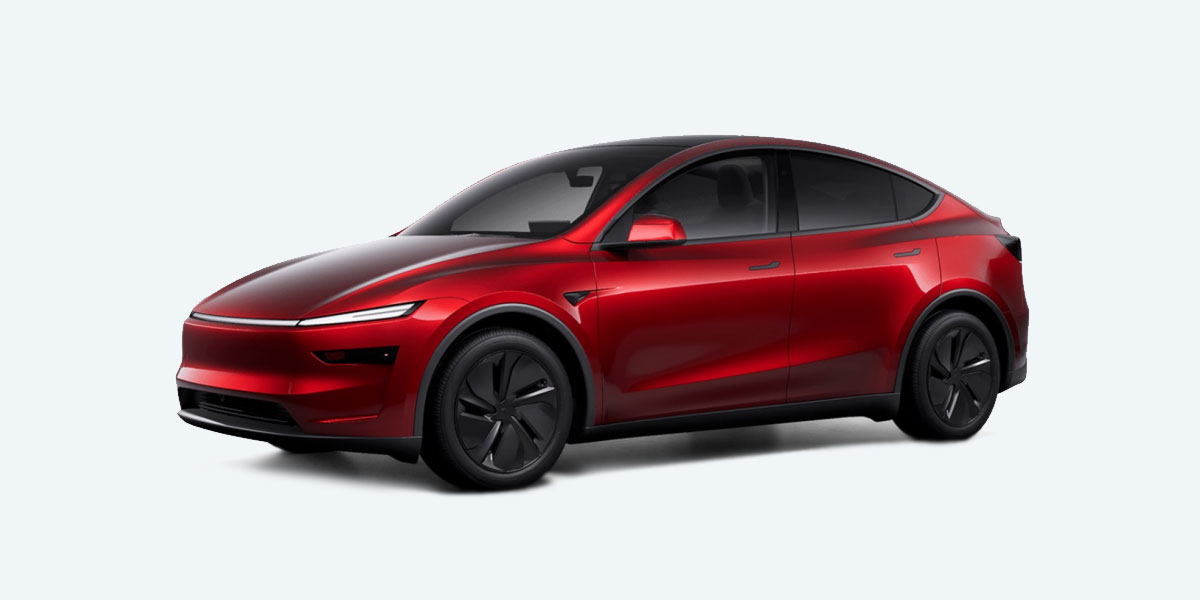
2026 Tesla Model Y is a compact electric SUV offering ~517 km (321 mi) range, a 75 kWh pack, and up to 250 kW DC charging. Base RWD does 0–100 km/h in 6.8 s and tops 201 km/h (125 mph). Prices start at $41,630. The 2026 Juniper update adds quieter glass, richer materials, and refined dynamics.
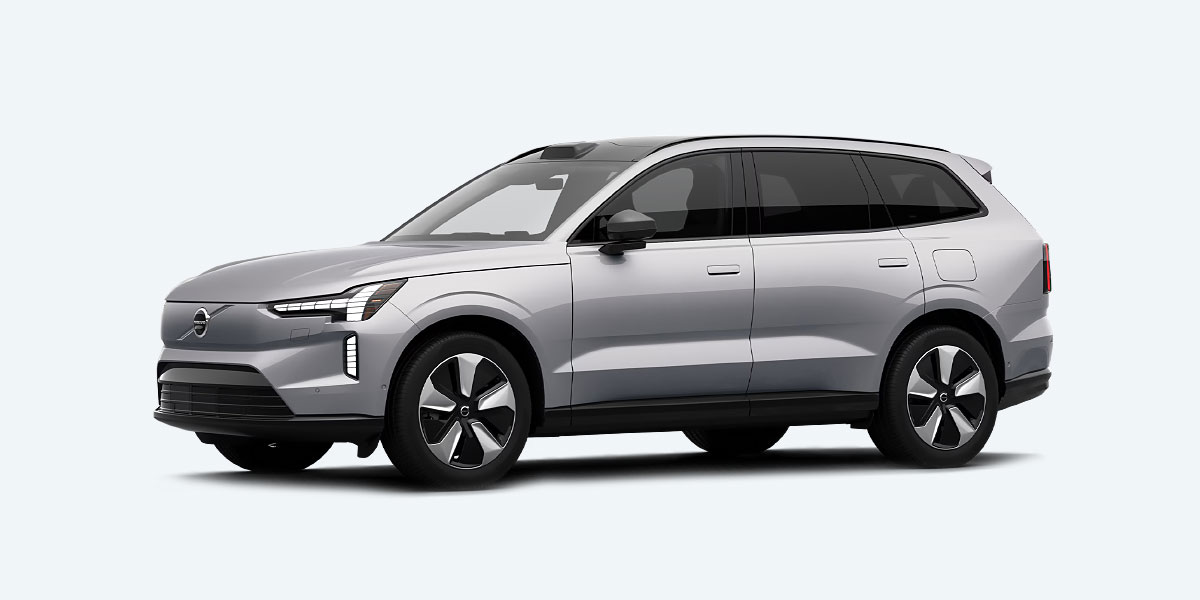
The Volvo EX90 is a promising electric SUV for 2025, starting around $77,990. With a 510 hp twin motor performance variant, expect up to 310 miles per charge. Its sleek styling includes Thor's Hammer LED lights and a grille-less design. Spacious interiors, advanced infotainment, and safety features make it a premium choice, albeit with initial software issues that Volvo aims to resolve with updates.
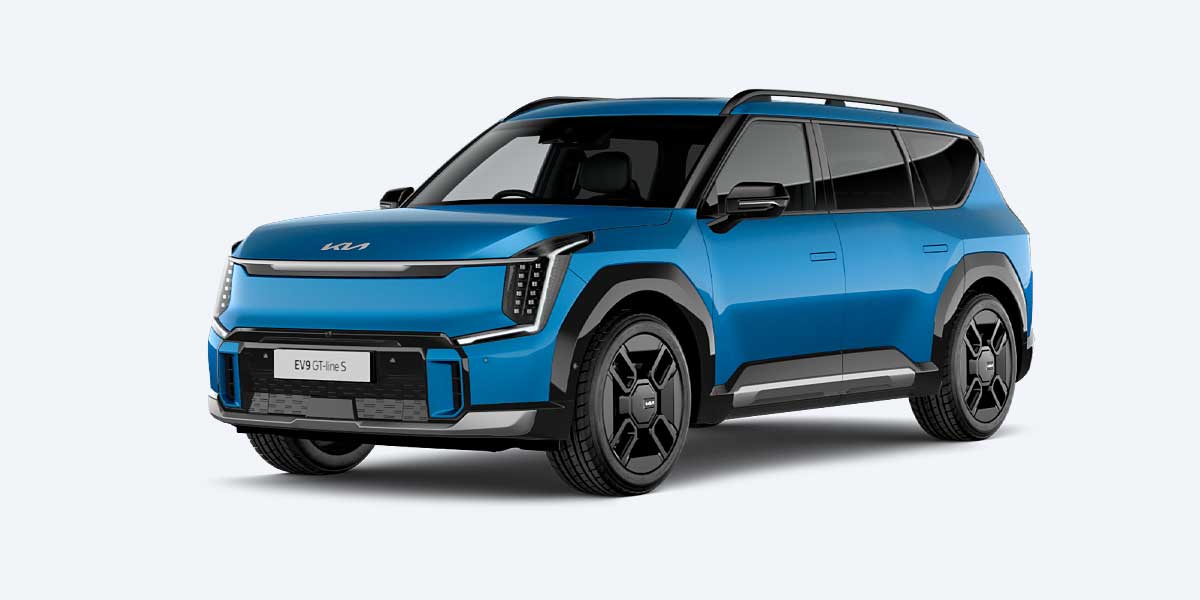
Kia EV9 GT-Line is the apex of electric SUV design, offering cutting-edge performance, state-of-the-art technology, and luxurious comfort. It's engineered for those who demand both eco-efficiency and exhilarating driving experiences.
Key Specifications:
Range: 497 km (309 mi)
Battery: 99.8 kWh
Top speed: 180 km/h (112 mph)
0–100 km/h: 5.3 s (0–60 mph ≈ 5.1 s)
Power: 383 hp (286 kW)
Range Comparison Charts & Visual Analysis
Electric Range Comparison (km and mi)
Bars are scaled to the highest EPA range in the set. Values are shown in both kilometers and miles for quick comparison.
Lucid Gravity
700 km / 435 mi
Rivian R1S 180
660 km / 410 mi
Mercedes EQS
660 km / 410 mi
BMW iX
630 km / 391 mi
Vinfast VF 9
579 km / 360 mi
Tesla Model X
567 km / 352 mi
Polestar 3
563 km / 350 mi
Tesla Model Y
517 km / 321 mi
Volvo EX90
499 km / 310 mi
Kia EV9 GT-Line
497 km / 309 mi
Range Efficiency by Battery Size (mi/kWh)
This CSS chart replaces the original scatter plot with a ranked efficiency view based on range divided by battery capacity.
Tesla Model Y
4.28 mi/kWh | 75 kWh
Mercedes EQS
3.80 mi/kWh | 107.8 kWh
Lucid Gravity
3.54 mi/kWh | 123 kWh
Tesla Model X
3.52 mi/kWh | 100 kWh
BMW iX
3.38 mi/kWh | 115.5 kWh
Polestar 3
3.15 mi/kWh | 111 kWh
Kia EV9 GT-Line
3.10 mi/kWh | 99.8 kWh
Vinfast VF 9
2.93 mi/kWh | 123 kWh
Volvo EX90
2.79 mi/kWh | 111 kWh
Rivian R1S
2.28 mi/kWh | 180 kWh
Implementation Guide: How to Assess Electric SUV Range for Your Needs
Step 1: Calculate Your Daily Driving Requirements
Track your actual mileage for one full week including commutes, errands, and typical activities. Multiply your daily average by 7 to get weekly mileage. Add 30% buffer for unexpected trips. Most Americans drive 64 km (40 mi) daily = 448 km (278 mi) weekly. A 500 km range EV provides comfortable coverage.
Step 2: Evaluate Your Climate Impact Factor
Identify your region's winter low temperatures. Below 0°C (32°F): expect 25-30% range reduction. Between 0-10°C (32-50°F): expect 15-20% reduction. Above 10°C (50°F): minimal impact. Calculate winter range: EPA rating × 0.75 for cold climates. Example: 500 km × 0.75 = 375 km winter range.
Step 3: Analyze Charging Infrastructure Access
Verify home charging capability: Do you have garage parking? Can you install 240V Level 2 charger ($500-2,000)? Map public charging within 5 km radius using PlugShare app. Identify DC fast chargers on regular routes. Tesla owners get Supercharger access; others use Electrify America, EVgo networks.
Step 4: Project Long-Distance Trip Requirements
List annual road trips over 300 km (186 mi). Map charging stops using A Better Route Planner (abetterrouteplanner.com). Calculate total trip time including 20-30 minute charging stops. Modern EVs with 500+ km range need 1-2 stops for 800 km (497 mi) trips, adding 30-60 minutes vs gas vehicles.
Step 5: Calculate Total Cost of Ownership
Compare 5-year costs: EV purchase price - $7,500 federal credit + electricity costs ($0.13/kWh × annual kWh) vs gas vehicle + fuel ($3.50/gal × annual gallons) + maintenance. EVs save $8,000-12,000 over 5 years despite higher upfront costs. Use EPA's fueleconomy.gov calculator for precise comparisons.
Step 6: Test Drive in Real Conditions
Schedule test drives at dealerships. Test highway speeds (110+ km/h), climate control at temperature extremes, regenerative braking strength, and cargo space. Request overnight test drive if available to experience home charging. Monitor real-world range during 50+ km test route.
Step 7: Make Data-Driven Decision
Create comparison matrix: Rank vehicles by range adequacy (does it meet 1.5× your daily needs?), charging convenience (home + public access), total 5-year cost, and personal preference. Most buyers find 500+ km range eliminates anxiety, but 400 km works fine if home charging available.
How to Evaluate Electric SUV Range
Check EPA vs WLTP estimates.
Review battery capacity in kWh.
Analyze efficiency (mi/kWh or km/kWh).
Assess charging speed and curve.
Match range to real driving needs.
Future Predictions: 2025-2026
Solid State Batteries: Expect prototypes late 2026, potentially boosting range by another 30% without adding weight.
Price Parity: As battery costs drop below $100/kWh, 300-mile SUVs will likely enter the $35,000 bracket, challenging gas equivalents directly.
V2G Tech: Bi-directional charging (powering your home) will become a standard feature in premium SUVs like the Volvo EX90 and Kia EV9.
The Model Y hits the "sweet spot" of price ($41,630), sufficient range (321 mi), and access to the reliable Supercharger network, making it the practical choice for most families.
Generally, you should subtract 10-15% from the advertised range for sustained highway speeds (70mph+), as EVs are less efficient at high speeds due to wind resistance.
The Tesla Model Y and Polestar 3 offer excellent "miles per dollar" value, whereas the Lucid Gravity and Rivian R1S charge a premium for their range dominance.
Recommended:
Planning a trip? We recommend using A Better Routeplanner (ABRP) to simulate these specific vehicles on your actual commute routes before buying.
Use this U.S. EV charging cost calculatorto choose a real EV make, model, year, and trim, then estimate home charging cost, public charging cost, DC fast charging cost, and gas-vs-EV savings by state.