

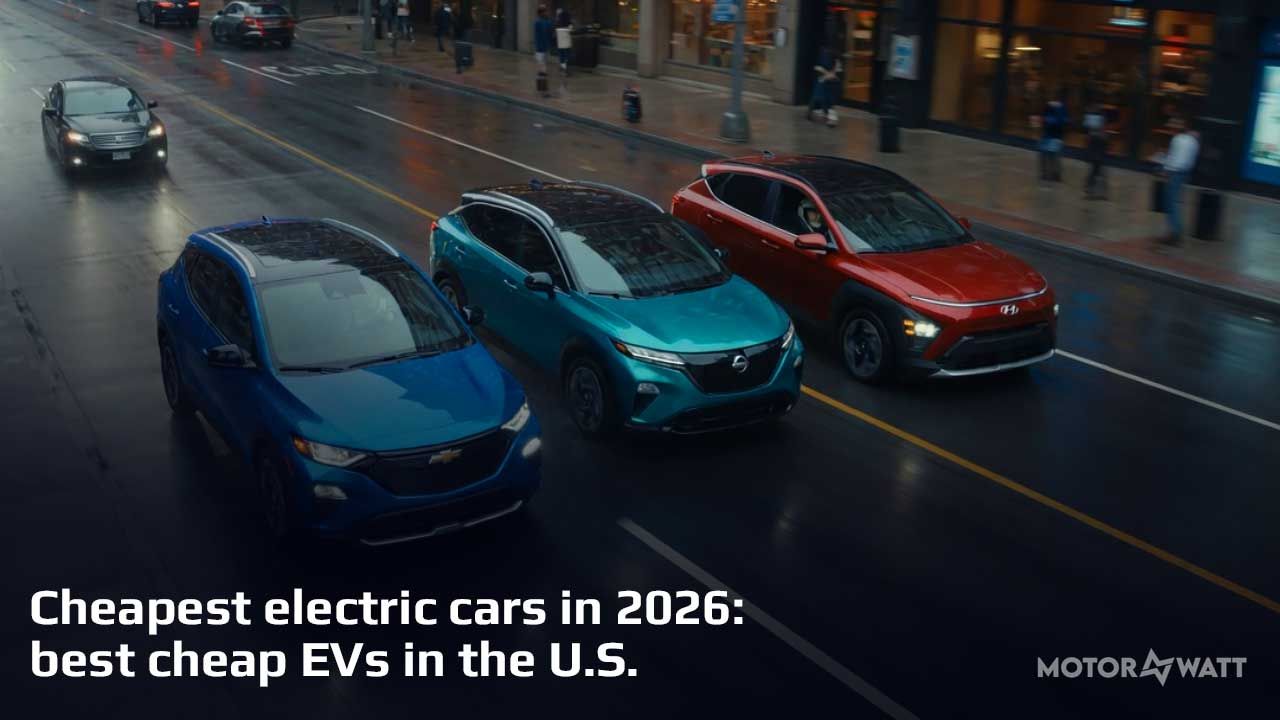
Shopping for the cheapest electric car in 2026 is not really about chasing a fantasy headline price anymore. It is about finding a cheap EV that still gives you enough range, enough charging speed, and enough warranty runway to feel like a smart buy a year from now.
That matters more than it did a couple of years ago. The IRS clean vehicle tax credits page now says the new and previously owned clean vehicle credits are not available for vehicles acquired after September 30, 2025, and the page was last reviewed on April 15, 2026. So the old game of backing into a bargain with a federal tax credit is mostly gone. Buyers now need to judge cheap EVs on the vehicle itself, not on a policy tailwind that may no longer apply.
That makes the search a little harder. It also makes it more honest.
The cheapest electric car on paper is not always the cheapest EV to live with. A low sticker price can hide weaker charging, short real-world range, or a used battery that turns a "deal" into a planning exercise. And the opposite can be true too. A car that costs a little more up front may be the better budget choice because it charges faster, travels farther, or holds its usefulness longer.
This page is built for that version of the question.
What is the cheapest electric car you can buy right now?
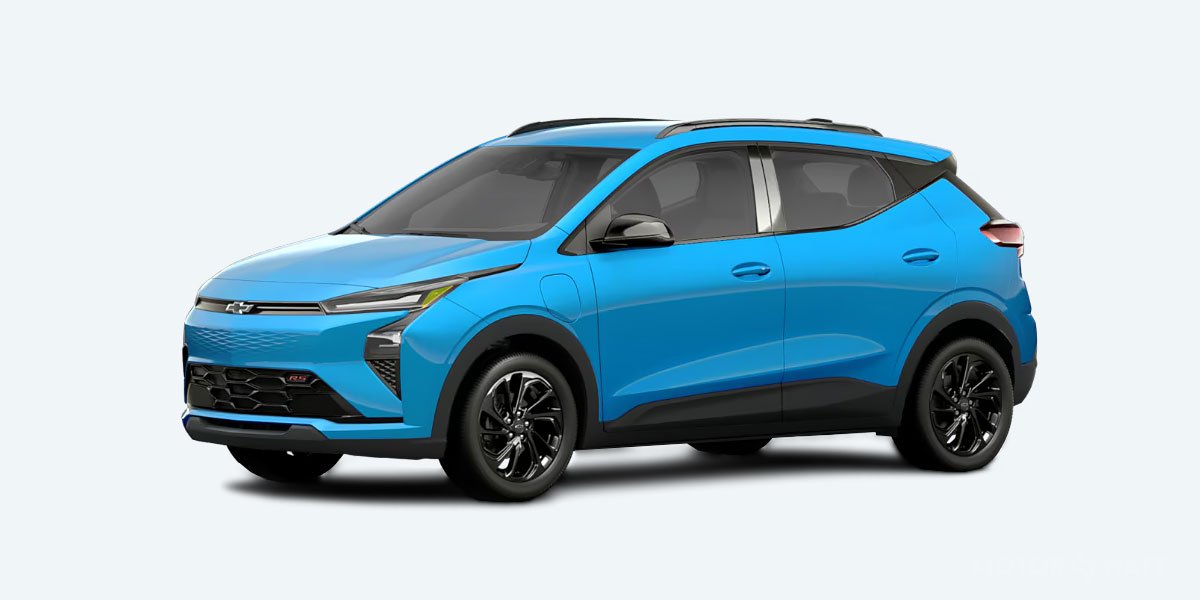
If you are looking only at the sticker, the 2027 Chevrolet Bolt LT is the lowest-price mainstream EV in this comparison set at $28,995, based on Chevrolet's April 2026 product update.
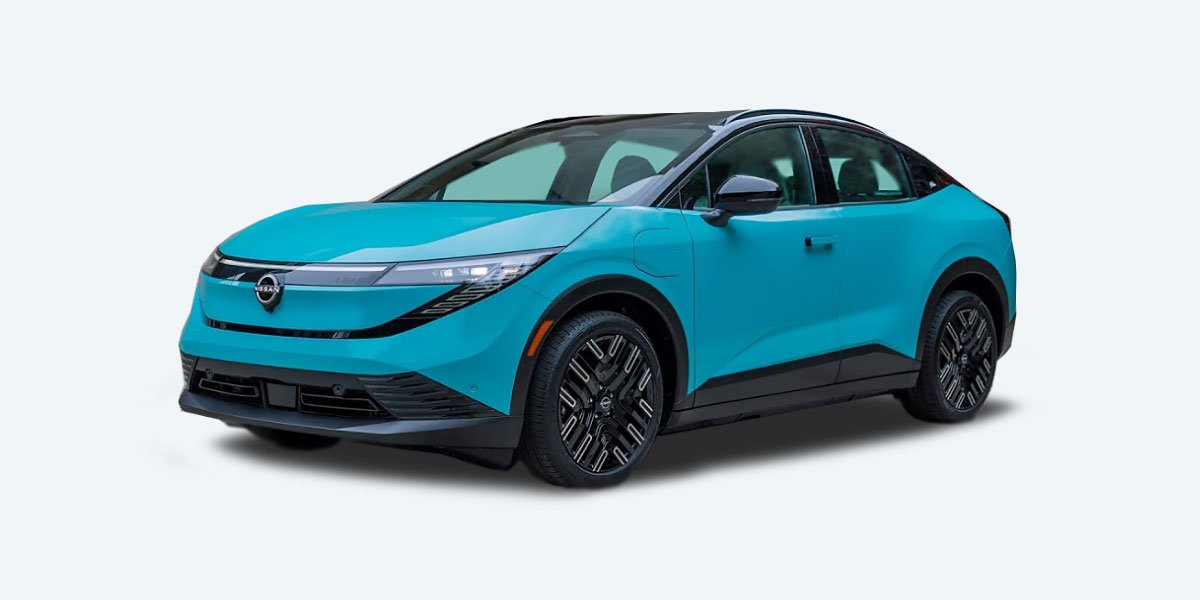
Right behind it is the 2026 Nissan Leaf S+ at $29,990, according to Nissan's official specs page.
But I would not stop the comparison there, because price without range and charging context is where cheap-EV shopping starts to go wrong.
| Model | Starting MSRP | Official range | Charging note | Why it matters |
|---|---|---|---|---|
| 2027 Chevrolet Bolt LT | ||||
| 2026 Nissan Leaf S+ | ||||
| 2025 Hyundai Kona Electric SE | ||||
| 2026 Toyota bZ XLE | ||||
| 2026 Chevrolet Equinox EV LT1 |
Current public pricing from Chevrolet, Nissan, Hyundai, Toyota, and published 2026 Equinox EV specs. Lower is better, but price alone is not the whole story.
That is why broad "cheap electric cars" pages still rank so well. Shoppers are not only asking, "What costs the least?" They are asking, "What costs the least without becoming annoying?"
There is a second piece to this too. GM engineer Jeremy Short said Chevrolet kept the new Bolt affordable through economies of scale rather than simply stripping content. That matters because it helps explain why the best cheap EVs are still coming from brands with real manufacturing volume instead of from vaporware promises and rumor-cycle bargain cars.
Best cheap electric cars by buyer type
There is no universal winner in this price band. The right cheap EV depends on how you drive, how you charge, and how much compromise you are willing to accept.
Best budget EV for city driving
For a city-first buyer, the cheapest EV does not need to win the highway spreadsheet. It needs to be easy to park, cheap to run, and simple to charge overnight.
That is why the Bolt still makes sense as an entry point. Its price stays low, the range is usable for ordinary commuting, and the charge time is no longer the old weak spot it used to be. If your driving is local and repeatable, the Bolt's lower entry price does real work here.
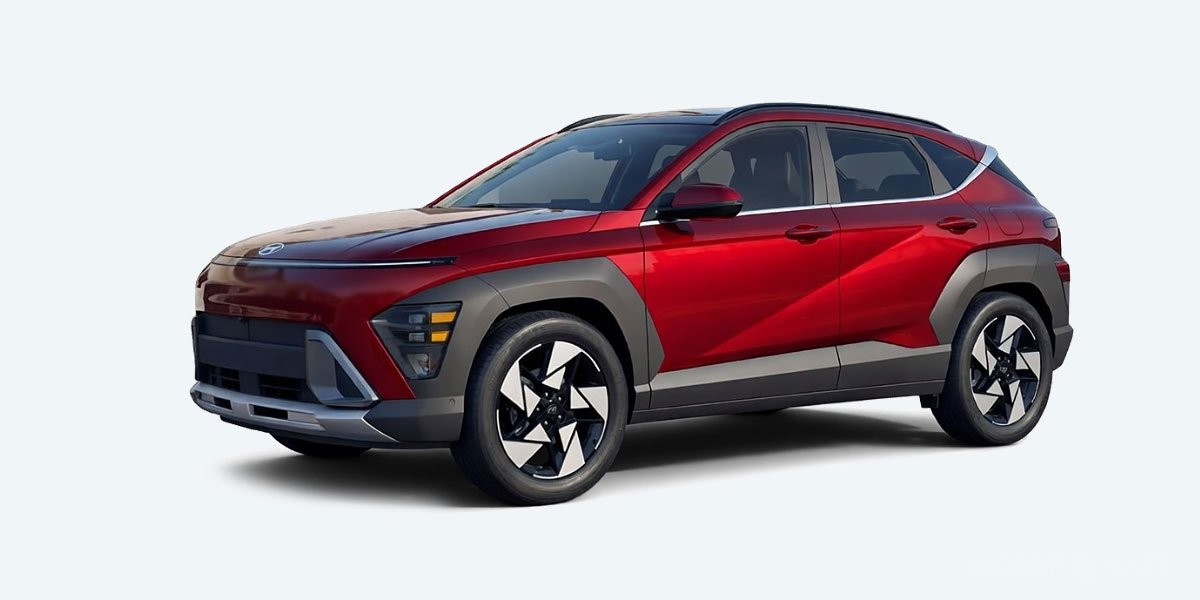
The Hyundai Kona Electric deserves attention too, especially if you want a small SUV shape instead of a hatchback feel. The catch is that the base SE trim's official range sits at 200 miles, which is enough for a lot of commuting but gives you less margin in winter, on highways, or during busier weeks.
Best cheap EV with usable range
This is the category most shoppers actually mean, even if they type cheapest electric car.
They do not want the lowest number. They want the lowest number that still feels easy to own.
The Leaf S+ is strong here. Nissan's official specs page shows 303 miles of range on the S+ trim, and that changes the value story fast. You are still in sub-$30k territory, but you are not living in the short-range corner of the market. The Equinox EV LT1 is even more interesting if your budget can stretch into the mid-$30k band. At 319 miles, it gives you the strongest official range in this lineup without jumping into premium-EV pricing.
That extra buffer matters because the Department of Energy says EV range can drop by up to 32% in freezing temperatures. Cheap EV shopping gets a lot easier when you stop treating the official rating as your daily reality and start treating it as a ceiling.
Best-value used electric car
This is where the market gets more interesting than the new-car charts.
Consumer Reports' Alex Knizek says "the sweet spot for a used EV is one that's still under its battery warranty" but already cheap enough to show real depreciation savings. I think that is the right frame. A used EV can be an excellent budget move, but only if you are buying the battery life that is still left, not just the price tag that has already fallen.
Edmunds writer John O'Dell makes the same point from the shopping side. In his used-EV guide, he says buyers should ask for a battery condition report and pay attention to charging history. That is practical advice, not abstract caution. Frequent DC fast charging, a battery that was habitually charged to 100%, or an older model with heat-related degradation risk can all turn a cheap listing into a weak value.
Expert read on used cheap EVs
Two outside voices are worth listening to here. Consumer Reports says the best used-EV value usually lives in cars that are still under battery warranty. Edmunds says to ask for a battery-condition report and to look hard at charging history before you call a used EV a bargain.
So if you are buying used, I would compare these things before I compared paint color or wheel design:
- Current estimated range at full charge
- Battery warranty time remaining
- Battery condition report, if available
- Charging history and climate history
- Local price versus at least two similar listings
Cheapest electric cars with the most range
Cheap and long-range used to be a much thinner overlap than it is now. It is still not a huge overlap, but it is real enough to matter.
And this is where the market starts separating "entry price" from "value."
The biggest mistake shoppers make here is assuming every budget EV is basically the same once the price gets close. It is not. A car with 200 miles of range and one with 300-plus miles of range may sit only a few thousand dollars apart, but they can feel like completely different products when you own them.
The Department of Energy also notes that Level 2 charging typically adds about 25 miles of range per hour, while public DC fast charging can add approximately 100 to 200+ miles in 30 minutes. That means range and charge speed work together. A cheap EV with mediocre range but decent charging can still be workable. A cheap EV with short range and slow fast charging starts shrinking your flexibility fast.
Manufacturer or published official range figures for the trims compared in this article. More range does not automatically mean better value, but it changes how easy a cheap EV is to live with.
That ordering is worth paying attention to. The cheapest sticker and the biggest range do not line up. If your commute is short, that may not matter. If you regularly drive highways, live somewhere cold, or do not have a backup gas car, it matters a lot.
Cheapest electric car to lease vs buy
Lease-heavy search terms still show up in this keyword cluster for a reason. Plenty of buyers are not trying to find the cheapest EV to keep for eight years. They are trying to get into an affordable monthly payment without making a long commitment to today's battery tech.
That can make sense.
A cheap EV lease is strongest when:
- The monthly payment is clearly below the buy alternative
- You are not relying on uncertain resale value
- You expect battery and software improvements to keep moving quickly
- You want an easy exit in a few years
Buying usually wins when:
- The car is already through the steepest part of depreciation
- The battery warranty is still alive
- Your yearly mileage does not fit lease limits well
- The vehicle already fits your real-life charging and range needs
The trick is not to assume leasing is automatically the budget option. Sometimes the headline monthly number looks good only because the structure underneath it is doing a lot of hiding.
What actually makes an EV cheap to own?
This is the part that gets lost when the entire conversation turns into MSRP rankings.
A cheap EV is not just one with a low starting price. A cheap EV is one that does not quietly charge you back through inconvenience, battery anxiety, slower charging, or a resale cliff you should have seen coming.
I would break the ownership-cost question into five layers:
Battery health and warranty
This is the big one for used cars. If the battery is still under warranty, the cheap-EV math gets safer. If it is not, the burden shifts back to your inspection and your tolerance for uncertainty.
Real range in your climate
Again, DOE says range can fall by up to 32% in freezing weather. So a 200-mile EV does not stay a 200-mile EV in every season. If you are already shopping close to the margin, winter can erase what looked like a comfortable buffer.
Charging speed
Charging is not a side spec. It is part of affordability. Time has a cost. Convenience has a cost. A low-price EV that charges painfully slowly on public infrastructure can become a drag in a way buyers only notice after the purchase.
Insurance, tires, and depreciation
These costs vary more than shoppers expect. A bargain purchase price does not guarantee bargain running costs. Some EVs go through tires faster than buyers expect, and some will lose value faster simply because the market keeps moving toward better range and faster charging at similar prices.
Price per rated mile
This is not a perfect metric, but it is a good sanity check. It helps show whether a higher sticker is buying you a meaningful jump in usability or just a more expensive badge.
Simple derived comparison from the current MSRP and official range figures above. Lower is better. It does not replace a full ownership-cost model, but it is a good reality check.
In this group, the Leaf and Equinox hold up surprisingly well on the value side, while the base Kona looks more expensive per rated mile than its entry price first suggests.
External expert opinions that matter here
Alex Knizek at Consumer Reports pushes buyers toward used EVs that are still inside battery warranty. John O'Dell at Edmunds says to ask for a battery-condition report and look at charging history. And the Department of Energy reminds buyers that charging speed and cold-weather range loss change the ownership experience more than sticker-price-only comparisons suggest.
How to compare cheap EV listings on MOTORWATT
This is where MOTORWATT can do more than a generic publisher list.
If you are shopping cheap EVs here, the page should help you move between three layers without friction:
- Ranked affordability guidance
- Live or recent listing pathways
- Model-level spec verification
That means a strong cheap-EV page should push readers toward the right supporting destinations at the right moment:
- Browse cheap electric vehicles when you want a wider low-price model set
- Jump into the electric cars marketplace when you are ready to compare listings
- Use the broader EV database when you need to check trims, batteries, and core specs
- Read the EV battery degradation guide before buying an older used EV
- Read the cold weather range loss guide if winter driving changes your margin
That is the real advantage. A generic automotive ranking can tell you which cars are cheap. An EV-first platform should help you understand which cheap EV actually fits your life and where to go next once you have narrowed the field.
FAQ
- What is the lowest price for an electric car?
In this comparison set, the lowest starting MSRP belongs to the 2027 Chevrolet Bolt LT at
$28,995. But low sticker alone is not enough. The better cheap-EV pick depends on whether you also need stronger range, faster charging, or a longer warranty runway. - Which electric car is the cheapest to buy?
The Bolt is the cheapest new EV in this group by starting MSRP. The more useful question, though, is which EV is the cheapest to buy well. On that question, the Leaf S+ and Equinox EV deserve just as much attention because they give you more range for the money.
- What is the best low cost electric car?
For many buyers, the best low-cost EV is the 2026 Nissan Leaf S+ because it stays under
$30,000while still offering303 milesof official range. If the lowest entry price matters more than range, the Bolt remains the simplest answer. - Does Toyota have a $13,000 EV car?
No. That rumor-driven search pattern shows up in Google's PAA results, but it does not match Toyota's actual U.S. EV pricing. The current 2026 Toyota bZ starts far higher than that, so buyers should ignore viral bargain claims and compare current official pricing instead.
The cheap-EV market is getting better, but it is not magic. The smartest move right now is not to hunt for a mythical bargain. It is to buy the least expensive EV that still fits your real driving, your charging setup, and the amount of risk you actually want to carry.