

Updated March 2026
Real data from 30,000+ EVs reveals exactly how many miles you'll lose when temperatures drop — and 12 proven strategies to claw most of them back.
March 2026 | 16 min read
⚡ Quick Answer: Electric car cold weather range loss averages 20–30% at 32°F (0°C) and can reach 40–50% at 0°F (−18°C) when cabin heat is running. The loss is 100% temporary — your full range returns when temperatures rise. EVs with heat pumps retain about 83% of range versus 75% for resistive-heater models. Preconditioning while plugged in is the single most effective countermeasure.
Key Findings at a Glance
- Recurrent's 2025–26 study of 30,000+ real-world EVs confirms an average 22% range loss at freezing (32°F / 0°C) — better than most people fear.
- The #1 cause isn't cold chemistry — it's cabin heating. The heater alone can slash range by up to 40%, per AAA testing at 20°F (−7°C).
- Heat pump technology extends winter range by ~10% at 32°F (0°C) — and is now standard on most 2024+ EVs.
- At extreme cold (0°F / −18°C), the U.S. Dept. of Energy reports up to 50% range loss in urban stop-start driving with full HVAC. Highway driving fares better at ~39% loss.
- Best winter performer in Recurrent's latest study: Tesla Model X — retains 89% of range. Worst: VW ID.4 (no U.S. heat pump) — retains just 63%.
- The damage is temporary — range returns to normal as temperatures climb. No long-term battery harm results from cold-weather driving alone.
What Is Electric Car Cold Weather Range Loss?
Electric car cold weather range loss is the temporary reduction in how far your EV can travel on a full charge when temperatures drop. It is not a malfunction — it is physics. Every vehicle, gas or electric, loses efficiency in the cold. For EVs, the effect is more noticeable because the battery is both the fuel tank and the heat source.
According to Recurrent's landmark 2025–26 winter study — the most comprehensive to date, drawing on data from more than 30,000 U.S. vehicles — the average EV retains roughly 78% of its maximum range at 32°F (0°C). That 22% shortfall comes from two separate mechanisms working against you at the same time: cold battery chemistry and energy-hungry cabin heating.
Here's why this matters in dollars and miles: A Tesla Model Y Long Range rated at 310 miles (499 km) EPA will realistically deliver around 242 miles (390 km) on a cold winter day in Chicago or Minneapolis. A shorter-range EV rated at 200 miles (322 km) might deliver just 140–160 miles (225–257 km). Plan for that — and you'll be just fine.
Pro Tip: The EPA range on your window sticker is tested at 75°F (24°C). Think of it as your car's "ideal conditions" number — useful for comparison shopping, but not a winter driving target.
How Much Range Do You Actually Lose in the Cold?
Short answer: more than you'd like, less than you fear — and it depends heavily on temperature, your car's heating system, and how you drive. Research from multiple sources paints a consistent picture:
Sources: Recurrent 2025–26 (30,000+ vehicles) · U.S. Dept. of Energy 2024 · AAA cold weather testing
The AAA tested popular EVs at 20°F (−7°C) and found that temperature alone reduced range by 10–12%. But turn the heater on, and total range loss jumped to 40%. Idaho National Labs found cold weather can also slow charging by nearly threefold — important for road trips where you're relying on public DC fast chargers.
At extreme cold — 0°F (−18°C) — the U.S. Department of Energy found an average of 50% range loss in urban driving with full HVAC running. Highway driving at the same temperature fared better at around 39%, because steady-speed driving generates more motor waste heat that can be recaptured.
"EV owners can make small adjustments in their driving habits to largely negate the effects of cold weather."
The Science: Why Does Cold Destroy EV Range?
Understanding the two root causes helps you fight back. Electric car cold weather range loss is not one problem — it's two overlapping problems, and they require different solutions.
Cause 1: Battery Chemistry Slows Down
Lithium-ion batteries generate electricity through chemical reactions — specifically, the movement of lithium ions between anode and cathode through an electrolyte. Cold temperatures slow ion mobility. Think of it like trying to pour cold honey vs. warm honey — both flow, but cold is sluggish. This means:
- The battery can deliver less peak power when cold.
- The electrolyte's ionic conductivity drops by up to 20–30% at 14°F (−10°C).
- Internal resistance rises, causing more energy waste as heat during discharge.
- Regenerative braking may be temporarily disabled by the BMS when the battery is too cold to accept charge safely.
Cause 2: Cabin Heating Drains the Battery
This is actually the bigger culprit. A gasoline car's engine produces massive amounts of waste heat — that's why the hood gets so hot after a drive. The cabin heater in an ICE vehicle is essentially "free" because it uses heat that would otherwise be wasted. EVs have no such luxury. Their motors are 90%+ efficient, which is great for range — but means almost no waste heat to redirect into the cabin.
Instead, EVs must generate cabin heat directly from the battery — using either an electric resistance heater (like a space heater, ~3–5 kW of draw) or a more efficient heat pump. On a 77 kWh (≈ 287 Wh/kg) pack, running a 4 kW resistive heater continuously for 3 hours burns 12 kWh — equivalent to roughly 40–50 miles (64–80 km) of range consumed just on heating.
Cabin Heating: The Real Villain of Winter Range Loss
Ask most EV owners why their car loses range in winter, and they'll say "the cold battery." Ask EV researchers, and they'll say "the heater." The data backs up the researchers. Recurrent's study confirmed that cabin heating is the dominant factor in cold-weather range loss for the vast majority of everyday driving temperatures (above 14°F / −10°C).
Sources: U.S. DOE 2024 · AAA cold weather EV study · Recurrent data
Research from the U.S. Department of Energy found that heating the cabin to a comfortable 72°F (22°C) at 0°F (−18°C) requires 26% more energy than the same drive without heating. EV Charger Reviews confirmed this in a real-world Tesla test: a 2019 Model 3 with resistive heating used 26% extra energy at freezing just to maintain cabin comfort.
The practical takeaway: on a sub-freezing day, running your EV at full blast heat is the equivalent of voluntarily shrinking your fuel tank. Use seat heaters and a heated steering wheel instead — they warm you directly and typically consume less than 100 watts each, vs. 3,000–5,000 watts for full cabin heat.
Watch Out: Turning on the windshield defroster disables cabin recirculation mode, forcing the car to continuously heat cold outside air. This can spike energy consumption dramatically on very cold days.
Temperature vs. Range Loss: Data By the Numbers
Here's an easy-reference table converting temperatures and range loss numbers between Imperial and Metric units — with real-world mile estimates for common EV ranges.
| Temperature (°F / °C) | Avg. Range Retained | 300 mi (483 km) EV | 220 mi (354 km) EV | Driving Condition | Source |
|---|---|---|---|---|---|
| 72°F / 22°C (Ideal) | |||||
| 50°F / 10°C (Cool) | |||||
| 32°F / 0°C (Freezing) | |||||
| 20°F / −7°C (Cold) | |||||
| 20°F / −7°C, no heat | |||||
| 0°F / −18°C (Extreme) | |||||
| 0°F / −18°C highway |
Note: these figures represent averages across all models. Best-in-class winter performers (Tesla, Audi) significantly exceed these numbers; older or non-heat-pump vehicles may fall below.
Is Electric Car Cold Weather Range Loss Permanent?
This is one of the most-searched EV questions every winter — and the answer is a clear no. Electric car cold weather range loss is 100% temporary. The moment temperatures rise and the battery warms back up, your full range returns. Recurrent's research explicitly confirms: "There is no long-term detriment to your battery from cold weather driving alone."
Cold weather temporarily reduces available capacity by slowing ion movement inside the cell. It does NOT cause the kind of chemical side reactions that permanently damage battery cells. Those reactions — primarily lithium plating — are caused by charging a very cold battery aggressively, not by driving in the cold.
What Cold Does NOT Do
- Permanently reduce battery capacity
- Cause long-term degradation
- Damage battery chemistry
- Reduce resale value (if managed properly)
- Void the battery warranty
What Cold DOES Do
- Temporarily reduce usable range 20–50%
- Slow regenerative braking
- Limit DC fast charging speed
- Require more energy for cabin heat
- Increase time to full charge
One exception to note: Charging a deeply cold battery (below 32°F / 0°C) at high DC fast charge speeds can cause lithium plating — a real form of permanent damage. Modern EVs have Battery Management Systems (BMS) that automatically slow or pause charging in extreme cold to prevent this. Let your car precondition before a fast charge session in severe cold.
Best & Worst EVs for Cold Weather Range in 2025–26
Recurrent's 2025–26 study of over 30,000 vehicles gives us the most definitive real-world model comparison to date. These are percentages of real-world range (not EPA estimates) retained in freezing conditions.
Source: Recurrent 2025–26 Winter Study · 30,000+ real-world U.S. vehicles
Tesla Model X (2022+)
★ Best Winter Range Retention ★
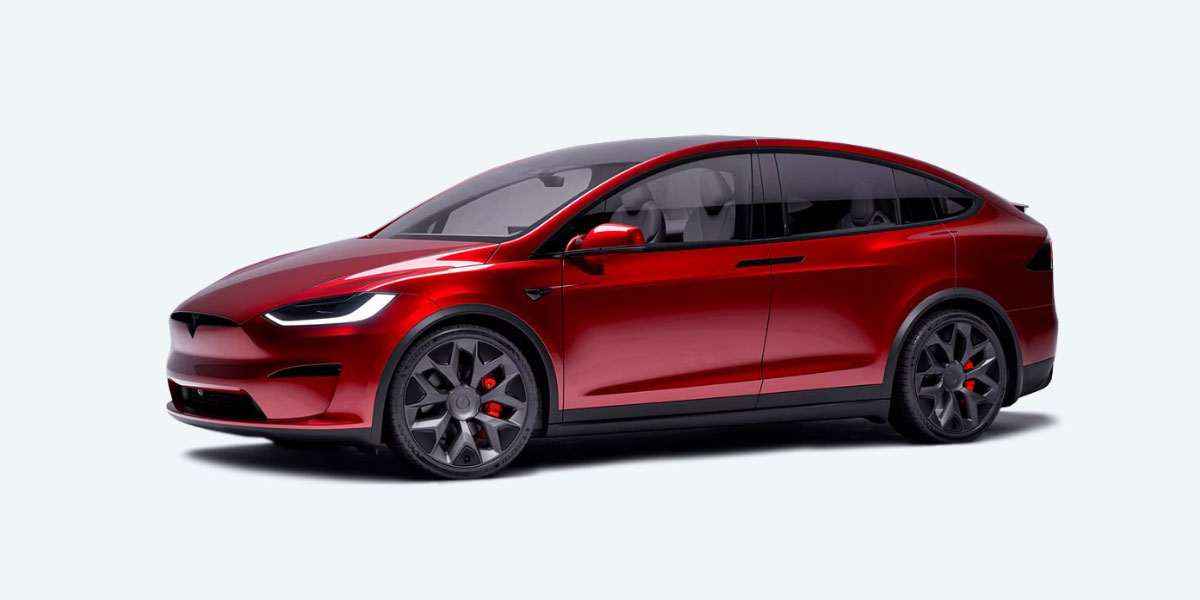
Tesla's Octovalve thermal system — introduced in 2021 — routes waste heat from the battery, motors, and power electronics to warm the cabin with remarkable efficiency. The Model X is the gold standard for cold-weather EVs.
- Octovalve heat management
- Heat pump standard
- 100 kWh+ battery pack
- Over-the-air thermal updates
- EPA range: 335 mi (539 km)
- Supercharger network access
Pros
- Best winter range data
- Excellent BMS cold protection
Cons
- Premium price (~$80k / €74k)
- Large footprint
Tesla Model Y (2021+)
★ Best Value Winter EV ★
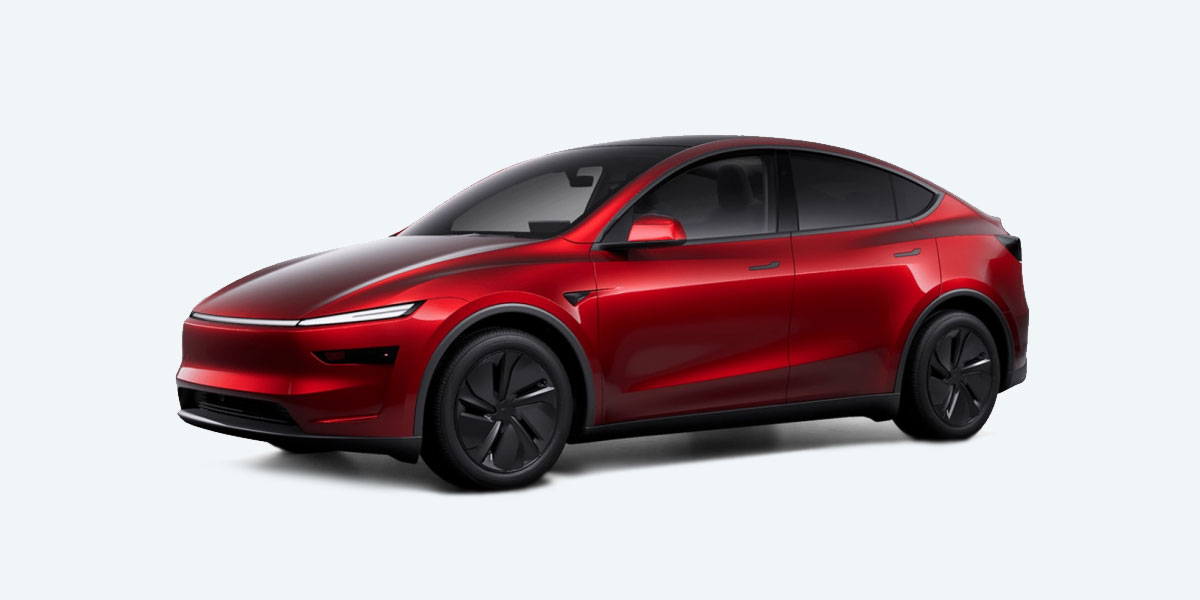
The most popular EV in the world is also a strong winter performer. All 2021+ Model Y variants include the Octovalve heat pump system. The Long Range AWD version delivers ~265 miles (427 km) on a typical cold day.
- Octovalve heat pump
- Seat heaters standard
- OTA thermal optimization
- 310 mi EPA range
- AWD traction in snow
- Precondition via app
Pros
- Top 5 winter range
- Widespread Supercharger access
Cons
- Newer builds perform better
- Interior polarizing
Audi e-tron / Q8 e-tron
★ Best Premium Non-Tesla ★
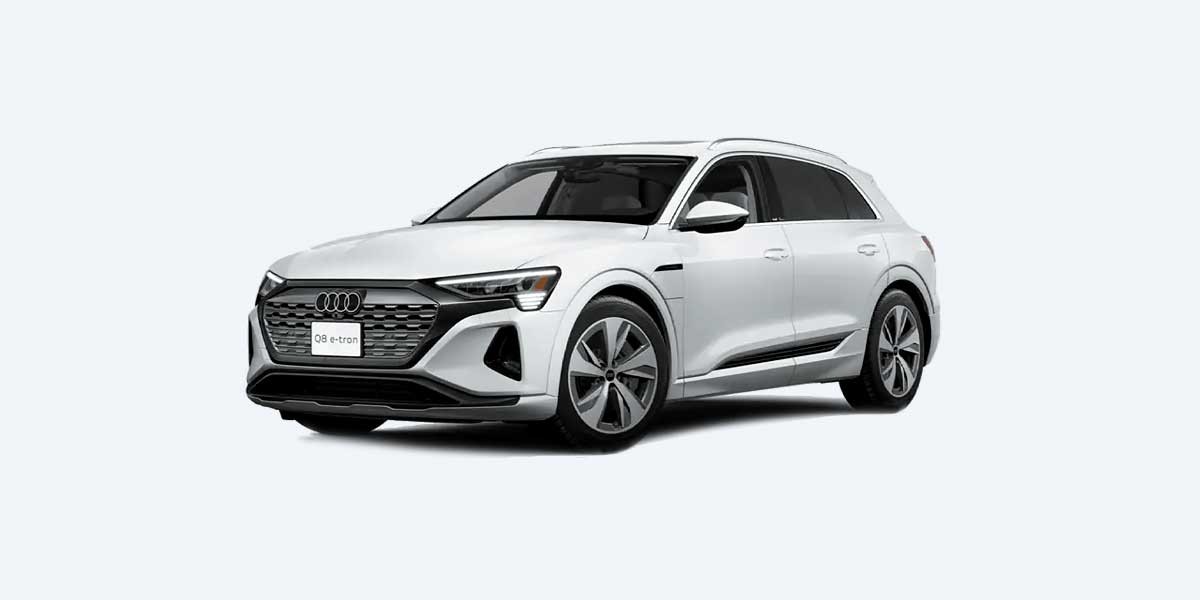
Audi's liquid thermal management system and generous 106 kWh gross battery pack give the e-tron excellent cold-weather resilience. Real-world data from Recurrent places it right alongside Tesla for winter range retention.
- Liquid-cooled battery pack
- Heat pump standard
- 106 kWh gross capacity
- AWD Quattro
- 285 mi (459 km) EPA
- Heated rear seats optional
Pros
- Exceptional cold-weather data
- Luxury cabin
Cons
- High MSRP (~$74k / €69k)
- Less efficient at warm temps
Hyundai IONIQ 5 / Kia EV6
★ Best Mid-Range Winter EV ★
The cars built on the E-GMP platform with heat pumps standard. The IONIQ 5 and EV6 are frequently cited as strong cold-weather performers at a more accessible price point than Tesla or Audi.
- Heat pump standard
- Ultra-fast 800V charging
- Heated front & rear seats
- Heated steering wheel
- V2L bidirectional charging
- ~266–310 mi EPA range
Pros
- Excellent value proposition
- Fast cold-weather charging
Cons
- Third-party charging network
- Software updates slower
VW ID.4 (U.S., pre-2025)
★ Worst Winter Range ★
The VW ID.4 loses the most range of any tested model — 37% in Recurrent's data. The U.S. version has not offered a heat pump (Canadian market briefly had it as an option). The 2025 U.S. model is expected to include a heat pump as standard.
- Resistive heater only (pre-2025)
- 82 kWh usable battery
- ~275 mi EPA (summer)
- ~173 mi realistic winter
- 2025+ gets heat pump
- OTA update capable
Pros
- Competitive summer range
- Roomy interior
Cons
- Worst winter range tested
- No heat pump pre-2025 US
The GM Winter Anomaly
One finding that surprised Recurrent's researchers: the Cadillac Lyriq, Chevrolet Equinox EV, and Blazer EV all underperform in winter despite having heat pumps. After fact-checking with GM and reviewing owner data on Reddit, Recurrent's team concluded that GM likely tuned the resistive heater to kick in at warmer temperatures than other brands — prioritizing passenger comfort over range efficiency. It's not a bug, but it does mean these vehicles sacrifice more range than heat-pump-equipped competitors.
Heat Pump vs. Resistive Heater: The Full Cold-Weather Comparison
If you're shopping for an EV and you live somewhere that gets cold winters, understanding heating technology is arguably the single most important spec to check. Not horsepower. Not 0–60 time. Heating system type.
| Factor | Heat Pump | Resistive Heater |
|---|---|---|
| How it works | ||
| Efficiency (COP) | ||
| Range retention at 32°F | ||
| Cold limit | ||
| Energy draw (cabin heat) | ||
| Winter range advantage | ||
| Cost premium | ||
| Tesla's innovation | ||
| Best for |
"For every unit of electricity consumed, a heat pump can generate 3–4 units of heat — making it significantly more energy-efficient than resistive heating."
The Tesla Model 3 makes the heat pump advantage crystal clear: with a heat pump, the Model 3 loses just 13% of real-world range in the cold. Without one, range loss jumps to 21% — nearly double. That difference on a 350-mile (563 km) winter road trip could mean the difference between one charging stop and two.
12 Proven Ways to Maximize Winter EV Range
You can't change the laws of physics — but you absolutely can change how much cold weather affects your daily EV experience. These 12 techniques are ranked by impact, from highest to lowest.
Your 5-Phase Winter EV Strategy
- Phase 1 — Before You Leave: Precondition the cabin and battery while still plugged in. Set a departure time in your car's app. This is the single highest-impact action available — warming the cabin on wall power instead of battery power costs you zero driving range.
- Phase 2 — In the Garage: Park indoors whenever possible. An unheated garage keeps your battery 15–20°F (8–11°C) warmer than outdoor parking. That alone can recover 5–8% of winter range loss.
- Phase 3 — On the Road: Use heated seats and steering wheel instead of full cabin heat. Reduce highway speed by 5–10 mph (8–16 km/h). Each 10 mph (16 km/h) drop in speed can recover 10–15% of range at highway speeds.
- Phase 4 — Charging Strategy: Keep the battery between 20–80% when not on a road trip. Before a fast charge session, use in-car navigation to route to the charger — this triggers battery preconditioning and dramatically shortens charge time in the cold.
- Phase 5 — Long-Term Storage: If storing the car for extended periods in freezing temps, keep it plugged in at 50–70% charge. The car will use wall power (not battery) to maintain thermal management.
The Full 12-Tip Breakdown
| # | Tip | Estimated Range Saved | Difficulty |
|---|---|---|---|
| 1 | |||
| 2 | |||
| 3 | |||
| 4 | |||
| 5 | |||
| 6 | |||
| 7 | |||
| 8 | |||
| 9 | |||
| 10 | |||
| 11 | |||
| 12 |
Cold-Weather EV Charging: What Changes in Winter?
Cold weather doesn't just shrink your range — it also slows your charge. Understanding how charging changes in winter helps you plan road trips and avoid nasty surprises at public DC fast chargers.
Key Winter Charging Facts
- Idaho National Labs found cold weather can slow charging by up to threefold compared to warm conditions.
- At 0°F (−18°C), a cold battery may need 30–40 minutes of warm-up before accepting meaningful DC fast charge rates.
- Recurrent's preliminary data suggests charging energy consumption may be up to 28% higher in warm weather than cold (less heat dissipation loss in cold).
- Most modern EVs' BMS will automatically limit or pause fast charging until the battery warms to a safe temperature.
- Preconditioning via navigation routing to a fast charger dramatically reduces this delay — often cutting cold-start charge times by 20–30 minutes.
The Lithium Plating Risk
When a lithium-ion cell is charged at high current while very cold, lithium ions can't find their normal spots in the anode graphite structure quickly enough. They deposit as metallic lithium on the surface instead — a process called lithium plating. This IS a form of permanent damage. Fortunately, every modern EV with a BMS is designed to prevent it — but aggressive use of third-party "override" apps that bypass charging limits in the cold is risky and voids warranties.
Cold-charging rule of thumb: Always let the car precondition before a DC fast charge session below 32°F (0°C). Better to wait 20 minutes for preconditioning than to risk plating — or simply charge at Level 2 speed when temperatures are extreme.
Old EV Winter Myths vs. Current 2026 Reality
| Old Myth / Fear | 2026 Reality | Data Source |
|---|---|---|
| "EVs are useless in winter" | ||
| "Cold permanently damages the battery" | ||
| "You'll get stranded in cold traffic jams" | ||
| "Heat pumps don't work in real cold" | ||
| "EV charging is impossible in winter" | ||
| "Winter range loss is the same for all EVs" | ||
| "EVs lose more than 50% range every winter" |
Frequently Asked Questions: Electric Car Cold Weather Range Loss
- How much range does an electric car lose in cold weather on average?
On average, EVs lose about 20–22% of their range at 32°F (0°C), according to Recurrent's 2025–26 study of 30,000+ vehicles. At 20°F (−7°C) with full cabin heating, average loss climbs to around 30%. At extreme cold (0°F / −18°C) in urban stop-start driving with full heat, the U.S. Department of Energy found losses of up to 50%. Individual results vary widely by model — from 11% loss (Tesla Model X) to 37% loss (VW ID.4 without heat pump).
- Is cold weather range loss in EVs permanent or temporary?
Cold weather range loss is completely temporary. As battery temperature rises back to normal operating range, full capacity returns. Recurrent's research explicitly confirms: "There is no long-term detriment to your battery from cold-weather driving." The exception is if you aggressively DC fast charge a deeply frozen battery — that can cause lithium plating, which is permanent. Modern Battery Management Systems automatically prevent this.
- What is the biggest cause of EV range loss in winter?
Cabin heating is the dominant cause of winter range loss — not cold battery chemistry. AAA found that running climate control at 20°F (−7°C) causes up to 40% range loss, while temperature alone (without heat) reduces range by only 10–12%. Electric cars have no "free" waste heat like gasoline engines, so every degree of cabin warming must come directly from the battery.
- Does a heat pump actually help with EV winter range?
Yes, significantly. Recurrent's 2025–26 data shows EVs with heat pumps retain an average of 83% of range in freezing conditions, versus 75% for those with resistive heaters — a meaningful 8-percentage-point advantage. Heat pumps extend range by roughly 10% at 32°F (0°C). A Tesla Model 3 with a heat pump loses 13% of range in cold, while the same car without a heat pump loses 21% — nearly double. Heat pump benefits diminish below 14°F (−10°C), where resistive heating must supplement.
- Which EV has the best range in cold weather?
According to Recurrent's 2025–26 study of 30,000+ real-world vehicles, the Tesla Model X leads with 89% range retention in freezing conditions, followed by the Tesla Model S at 88% and the Audi e-tron at 87%. Tesla's Octovalve thermal management system — which efficiently routes waste heat from the battery, motors, and power electronics — gives Tesla vehicles a consistent edge in cold-weather performance.
- How do I maximize my EV range in cold weather?
The most effective strategies are: (1) Precondition the cabin and battery while still plugged in before every cold-weather drive — this is the single highest-impact action; (2) Use heated seats and a heated steering wheel instead of full cabin heating; (3) Park in a garage; (4) Reduce highway speed by 5–10 mph (8–16 km/h); (5) Use in-car navigation to any destination charger to trigger battery preconditioning before charging. Combining these five techniques can recover 20–30% of cold-weather range loss.
- Why does charging slow down in cold weather?
Cold batteries have reduced ionic conductivity and higher internal resistance. Charging a cold battery at full DC fast charge speed could cause lithium plating — permanent crystalline lithium deposits on the anode. To prevent this, the Battery Management System automatically reduces charge rate in extreme cold until the battery warms to a safe temperature. Idaho National Labs research found cold weather can slow charging by up to threefold. Using in-car navigation to route to a charger 20–30 minutes before arrival triggers preconditioning that dramatically reduces this slowdown.
- Can I get stranded in my EV in cold weather?
The risk is very low with proper planning. EVs can idle for many hours with cabin heat running — far longer than most gas vehicles in a traffic jam. Recurrent's research found no elevated stranding risk for EV drivers in cold-weather traffic scenarios. The key is planning range around winter-realistic estimates (not EPA figures) and keeping the battery charged to 50–80% before long cold-weather drives, so you have buffer range built in.
Bottom Line: Cold Weather Range Loss Is Manageable — Here's Your Action Plan
Electric car cold weather range loss is real, but it is nowhere near as scary as the headlines suggest. Here's what the latest data from 30,000+ real-world EVs tells us: plan for roughly a 20–25% range reduction on typical cold days, and up to 40–50% in extreme cold with full heat. That's it. And with the right habits, you can cut that in half.
The technology is improving fast. Heat pumps are becoming standard across the industry. Tesla's Octovalve system keeps pushing winter efficiency higher with every over-the-air update. Hyundai, Kia, BMW, Audi, and Rivian are all investing heavily in thermal management. By 2027–2028, industry analysts expect winter range loss to drop below 15% on average for new EVs.
Your Immediate Action Items (This Week)
- Today: Enable scheduled departure in your EV's app. Set it to have the car ready 15 minutes before you leave — conditioned on wall power, every morning.
- This week: Check if your EV has a heat pump (check your owner's manual or ask your dealer). If your next EV purchase is coming up, make this a non-negotiable spec if you live where winters are real.
- Before the next cold snap: Recalibrate your mental range estimate to 75–80% of EPA for regular cold days. Build that buffer into your charging routine.
- For road trips: Always plug in your destination or charging stop via native navigation — not a third-party app — at least 20–30 minutes before arrival in freezing temps.
- Long-term: Keep your EV plugged in overnight in winter. Even if fully charged, your car will use wall power (not battery) to maintain thermal management. Your morning range will thank you.
Find Your EV's Cold-Weather Performance Data
Check real-world winter range ratings for 200+ electric vehicles in the Motorwatt EV Database — with model-by-model heat pump specs and cold-weather range comparisons.
Browse the Motorwatt EV DatabaseSources & Citations
- Recurrent Auto, "Winter & Cold Weather EV Range — 30,000+ Car Study," 2025–26 Winter Study, recurrentauto.com
- U.S. Department of Energy, "Impact of Cold Ambient Temperature on BEV Performance," September 2024, energy.gov
- AAA, "Cold Weather EV Range Test," laboratory testing at 20°F (−7°C), 2023
- Idaho National Laboratory, "Cold Weather Charging Time Research," 2023
- Move Electric / What Car?, "Winter Real-World EV Range Test," 10-vehicle study, March 2022
- InsideEVs, "Here's How Much Range These Popular EVs Lose In The Cold," January 2025
- EV.com, "Study Finds EVs Retain 80% Of Range In Freezing Conditions," January 2025
- Tesla, "How Heat Pump Technology Reduces Cold-Weather Range Loss," engineering explainer video, 2021
- Geotab, "To What Degree Does Temperature Impact EV Range?," updated November 2023
- SAE International, SAE J1634 — Battery Electric Vehicle Energy Consumption and Range Test Procedure, 2021
Related Video