

US Electric Vehicle Market activity shifted sharply during 2025. After years of steady expansion, electric car sales slipped to roughly 1.275 million units, a 2.1 percent retreat versus 2024. Market share cooled to about 7.8 percent of light vehicles, reflecting how closely demand tracked federal incentives.
From steady climb to sudden pause
For several years, electric models benefited from generous policy support, broader showroom choice, and growing curiosity from drivers. When the federal tax credit ended on September 30, pricing dynamics changed overnight.
Why timing mattered more than tech
Battery range, performance, and charging networks kept improving, yet timing dictated buying behavior. The calendar mattered more than kilowatt-hours or acceleration figures measured in both miles per hour and kilometers per hour.
Incentive expiration reshaped buying behavior
The pull-forward effect explained
US Electric Vehicle Market demand surged ahead of the credit cutoff. Buyers rushed dealerships to secure the 7500 dollar benefit, roughly 6900 euros at current exchange rates, before pricing reset.
Sticker shock after September
Once the incentive vanished, effective transaction prices jumped. That change pushed many households toward hybrids or gasoline options, especially as interest rates stayed elevated.
- Federal credit ended September 30 2025
- Effective EV prices rose overnight
- Demand exposed without subsidies
Third quarter surge followed by fourth quarter cliff
Record-breaking summer demand
The third quarter delivered more than 438000 EV sales, nearly 30 percent higher year over year. Market share touched 10.5 percent, with August alone moving close to 146000 units.
Cold months brought a hard reset
Fourth quarter projections dropped to about 230000 units, a 46 percent slide from Q3. November sales sank more than 41 percent, sending monthly volume toward multi-year lows.
- Q3 sales over 438000 units
- Q4 projected near 230000 units
- Market share dipped to 5.7 percent
Tesla steadies share inside a shrinking field
Pricing moves soften the blow
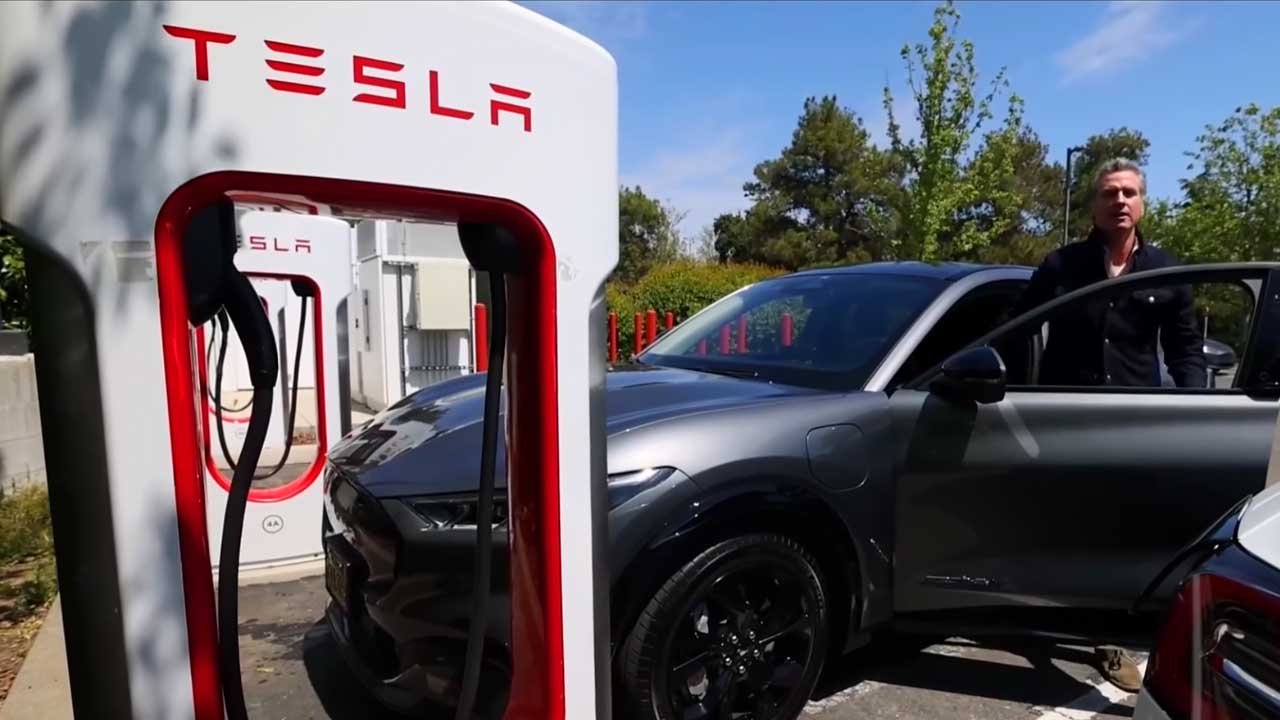
US Electric Vehicle Market leader Tesla adjusted faster than rivals. Lower-priced Standard trims of Model 3 and Model Y arrived in October, cutting about 5000 dollars or 4600 euros from entry pricing.
Market share rises despite lower volume
November Tesla registrations slipped under 40000 units, yet rivals fell harder. By year end, Tesla controlled about 56.7 percent of EV sales, with Model Y topping 265000 annual units.
- Tesla share climbed above 56 percent
- Model Y remained best seller
- Supercharger access boosted loyalty
Legacy automakers confront hard math
Production cuts and write-downs
Traditional manufacturers faced sobering results. Ford halted F-150 Lightning production, redirecting factories toward hybrids and extended-range designs after a 19.5 billion dollar charge, about 18 billion euros.
Cancelled nameplates stack up
Several EVs exited quietly, including models from Acura, Nissan, and Polestar. Facilities in Tennessee and Ohio pivoted back toward combustion and hybrid output.
- Large EV programs paused or cancelled
- Factories repurposed for hybrids
- Profitability outweighed expansion goals
Policy shifts cool regulatory pressure
Rules loosen across the board
Beyond tax credits, relaxed fuel economy standards and eased state mandates reduced urgency. New tariffs further complicated supply planning.
Hybrids gain traction as middle ground
With fewer mandates, hybrids surged. Many drivers preferred familiar refueling paired with partial electrification, avoiding charging worries on long trips measured in hundreds of miles or several hundred kilometers.
- Fuel economy rules softened
- State mandates scaled back
- Hybrid sales accelerated
Pricing pressure and incentives return from automakers
Manufacturer discounts replace federal aid
US Electric Vehicle Market pricing shifted toward factory-backed incentives. Some models carried average discounts exceeding 13000 dollars, nearly 12000 euros, by late year.
Flat outlook ahead
Analysts see 2026 volume hovering near 1.3 million units. Growth now depends on cost reductions and consumer confidence rather than policy boosts.
- Average discounts reached five figures
- Sales forecast flattens near 1.3 million
- Profit focus tightens model selection
What American shoppers experienced
Higher prices test loyalty
Without the credit, monthly payments climbed. November posted record new-vehicle prices, nudging budget-conscious buyers toward hybrids or used vehicles.
Value-oriented EVs still attract attention
Affordable models such as Chevrolet Equinox EV found interest thanks to ranges beyond 300 miles or about 480 kilometers, easing range anxiety for everyday use.
Final thoughts on market direction
Pros
- Charging networks continue expanding nationwide
- Battery costs trend lower over time
- Discounts improve near-term affordability
Cons
- Sales volatility tied to policy shifts
- Higher upfront prices without credits
- Reduced model variety in some segments
Why the shift matters
US Electric Vehicle Market momentum slowed during 2025, revealing a sector moving beyond incentive-driven growth. Shoppers gained leverage through discounts and hybrid choices, while automakers recalibrated toward sustainable demand and realistic pricing paths.
Related Video