

Upcoming EVs
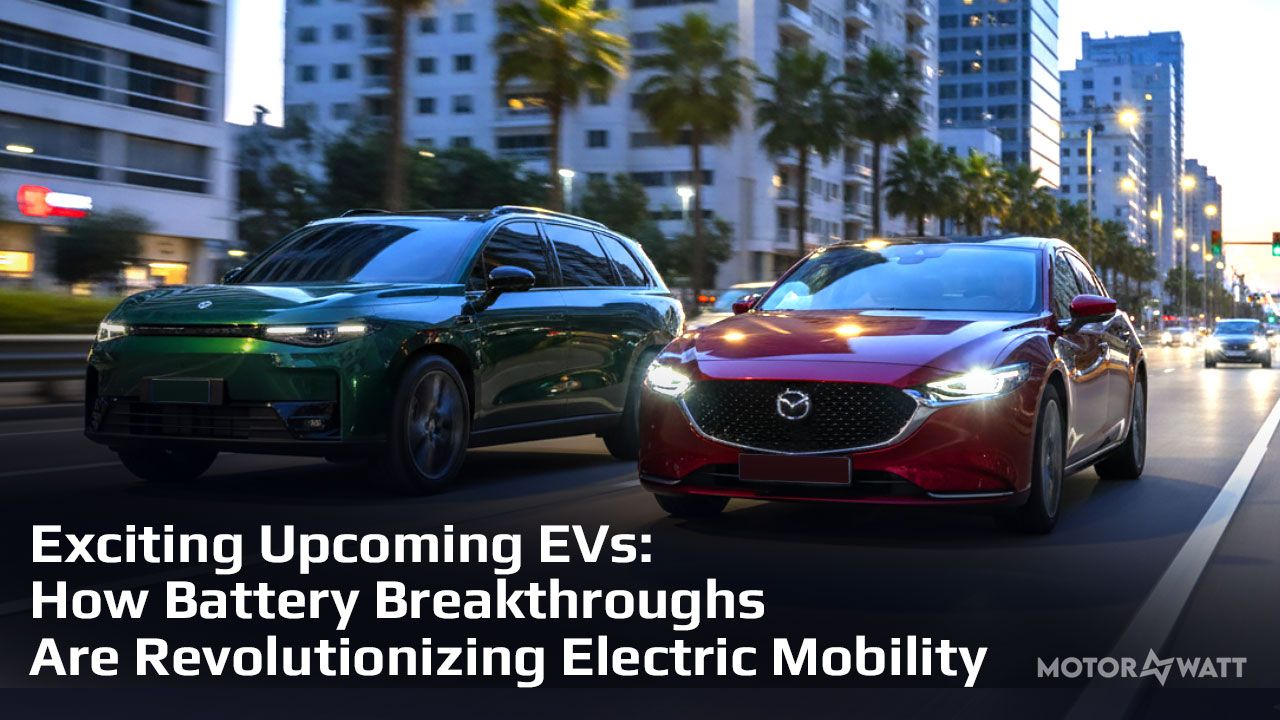
With advancements in solid-state batteries, longer ranges, and faster charging, they’re more than just upgrades—they’re major steps toward eliminating range anxiety and making electric driving mainstream. These vehicles promise ranges between 500 and 800 miles (805–1,287 km) and charging speeds that rival filling a gas tank. Models like the Leapmotor C10 AWD, Mazda 6e, and Toyota RAV4 PHEV highlight how innovation and affordability are finally intersecting in electric mobility.
Solid-State Battery Breakthroughs Changing the Game
Solid-state batteries are the crown jewels of upcoming EV technology. Unlike lithium-ion cells, which use liquid electrolytes, solid-state designs use stable solid materials that pack more power with less risk. Energy densities reaching 375Wh/kg and charge times as quick as 15% to 90% in just 18 minutes are becoming the new normal. Toyota’s first solid-state EV, launching by late 2025, claims a 600-mile (965 km) range. Meanwhile, QuantumScape and Volkswagen are fine-tuning mass production cells, while Factorial Energy and Stellantis validated lighter, safer designs. These battery breakthroughs enable longer ranges and exceptional cold-weather resilience—from -30°C to 45°C—ensuring drivers get consistent performance wherever the road leads.
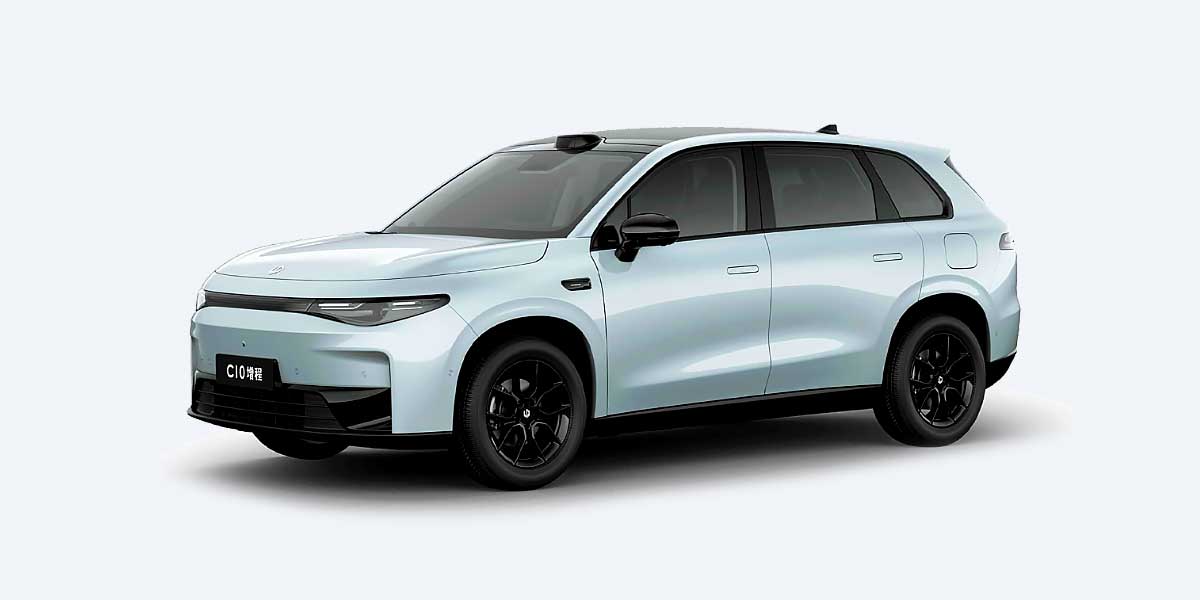
Leapmotor C10 AWD: Affordable Performance with Premium Appeal
The Leapmotor C10 AWD is among the most anticipated upcoming EVs for 2026, boasting a dual-motor setup generating 598 horsepower (446 kW) and 547 lb-ft (742 Nm) of torque. This mid-size SUV rockets from 0 to 62 mph (100 km/h) in four seconds flat, rivaling luxury performance brands at half the price. Its 81.9 kWh LFP battery supports ultra-fast DC charging—30% to 80% in just 22 minutes—and delivers around 400 miles (644 km) of range. With an estimated price tag between $45,000 and $50,000 (€42,000–€46,800), it’s positioned as a credible Tesla Model Y competitor. Inside, passengers enjoy ventilated seats, ambient lighting, and a fold-flat bed option. The C10 proves that battery breakthroughs don’t just extend mileage—they redefine how performance meets practicality.
Mazda 6e: Reinventing the Electric Sedan for 2026
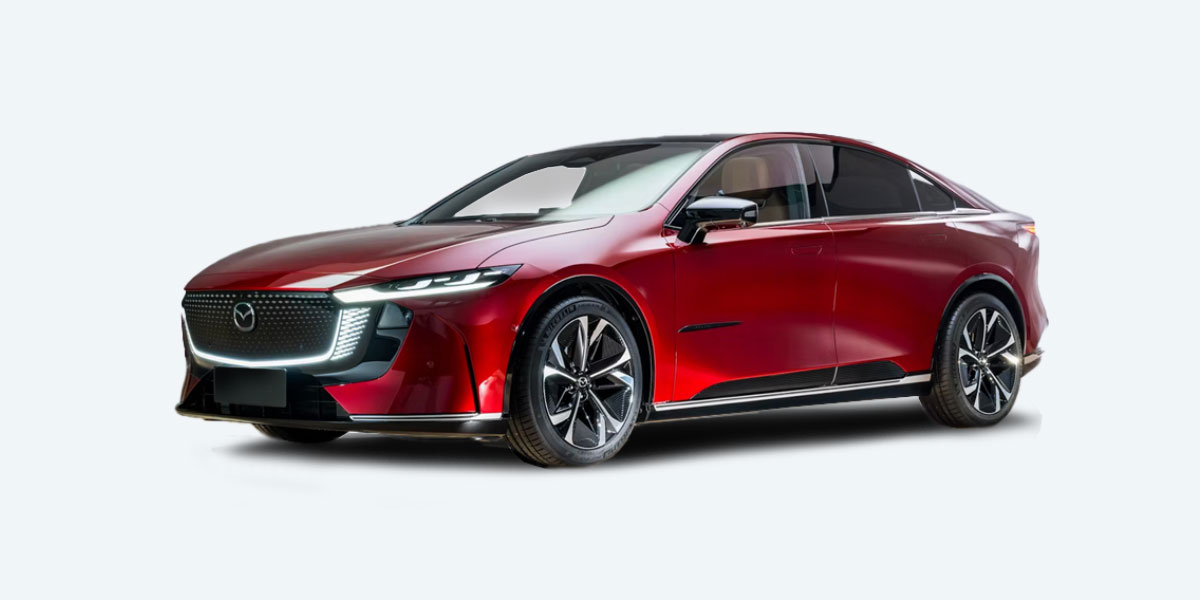
Mazda’s 2026 6e ushers in a new era for the brand’s electric ambitions. Replacing the MX-30, it’s designed as a sleek fastback sedan that delivers over 500 km (310 miles) of range from its 78 kWh LFP battery. Powered by a 190 kW rear-wheel motor, the 6e maintains Mazda’s “Zoom-Zoom” spirit with smooth acceleration and agile handling. The aerodynamic body, spacious interior, and price under $55,000 (€51,500) make it one of the most balanced upcoming EVs on the market. Its collaboration with Changan Automobile ensures cutting-edge tech, including wireless Apple CarPlay, a 12.3-inch cluster, and adaptive cruise control. The 6e captures Mazda’s heritage of driver engagement while stepping boldly into an all-electric future.
Toyota RAV4 PHEV: Plug-In Power with Everyday Practicality
The 2026 Toyota RAV4 PHEV blurs the lines between hybrid and electric, featuring a 2.5L four-cylinder engine paired with three electric motors for a combined 324 horsepower (241 kW). Its upgraded battery pack boosts electric-only range to 52 miles (84 km), ideal for daily commuting without fuel. DC fast-charging slashes downtime to 30 minutes for an 80% refill, while new trims like the GR Sport and Woodland cater to both enthusiasts and adventurers. Starting in the low $40,000s (€37,400), the RAV4 PHEV embodies Toyota’s reliable engineering while incorporating battery breakthroughs for improved energy density and efficiency. It’s a smart stepping stone for families not ready to go fully electric but wanting to embrace sustainable mobility.
More Upcoming EVs to Watch in 2026
Beyond the headliners, the EV scene is buzzing with fresh entries. Rivian’s compact R2 SUV aims for over 300 miles (483 km) of range around $45,000, while BMW’s iX3 and Porsche’s Cayenne EV deliver premium performance with 800V charging tech. Ferrari’s first electric vehicle, the Elettrica, promises 1,000 horsepower (745 kW) and 500 miles (805 km) of range, while Kia’s EV2 and Volkswagen’s ID.2 GTI offer affordable options under $35,000 (€32,700). Chevrolet’s new Bolt returns with a $28,995 (€27,000) sticker and solid-state batteries that recharge in under 10 minutes. Each model reflects how battery breakthroughs are democratizing EV ownership, giving buyers more options across every price point.
Battery Breakthroughs Shaping the Future of Electric Mobility
Battery innovation sits at the center of every exciting development in upcoming EVs. Solid-state chemistry is only the start—advancements in dry cathodes, ceramic electrolytes, and carbon nanostructures are slashing charging times to as low as 3–12 minutes for 80% replenishment. New Chinese-developed cells with 1,000 km (620-mile) potential and 100 kg pack weights could revolutionize long-distance travel. As production scales up and costs fall, experts predict battery prices could drop by 50% before 2030, making electric cars cheaper than their gas-powered rivals. Safety benefits are equally transformative, reducing fire risks and improving thermal control. These breakthroughs don’t just power vehicles—they power the transition to cleaner, smarter, and more connected mobility.
Conclusion
Pros and Cons of the Upcoming EVs
- Pros: Exceptional range improvements; safer solid-state batteries; faster charging; lower long-term maintenance costs; wide variety of models across price tiers; global availability starting 2025-2026.
- Cons: High initial manufacturing costs; limited early production; uncertain battery recycling standards; slower rollout in developing markets.
Final Thoughts
Upcoming EVs signal a turning point in the global auto industry. With longer ranges, quicker charging, and safer battery chemistry, these electric vehicles are closing the gap between performance and practicality. Whether it’s the athletic Leapmotor C10 AWD, the stylish Mazda 6e, or Toyota’s reliable RAV4 PHEV, 2026 looks ready to electrify the roads. For drivers eager to experience the future today, the wait is almost over—the battery breakthroughs of tomorrow are already humming quietly in the garages of today’s engineers.