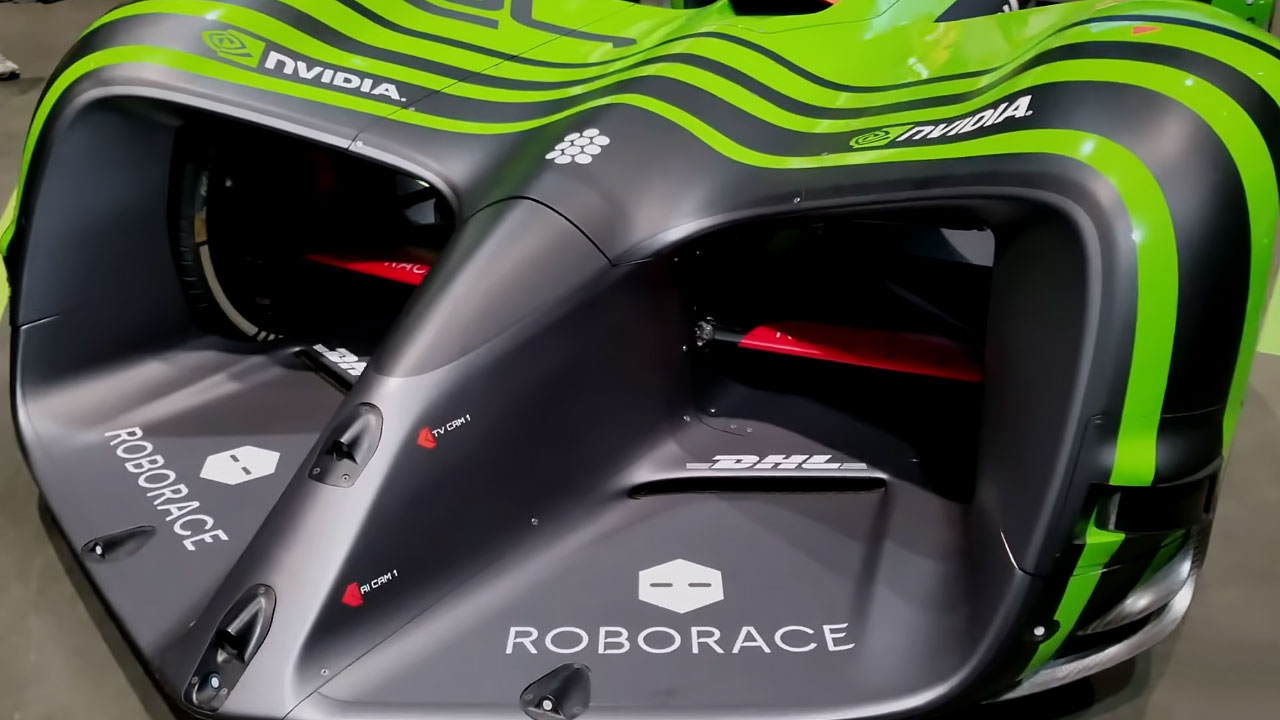

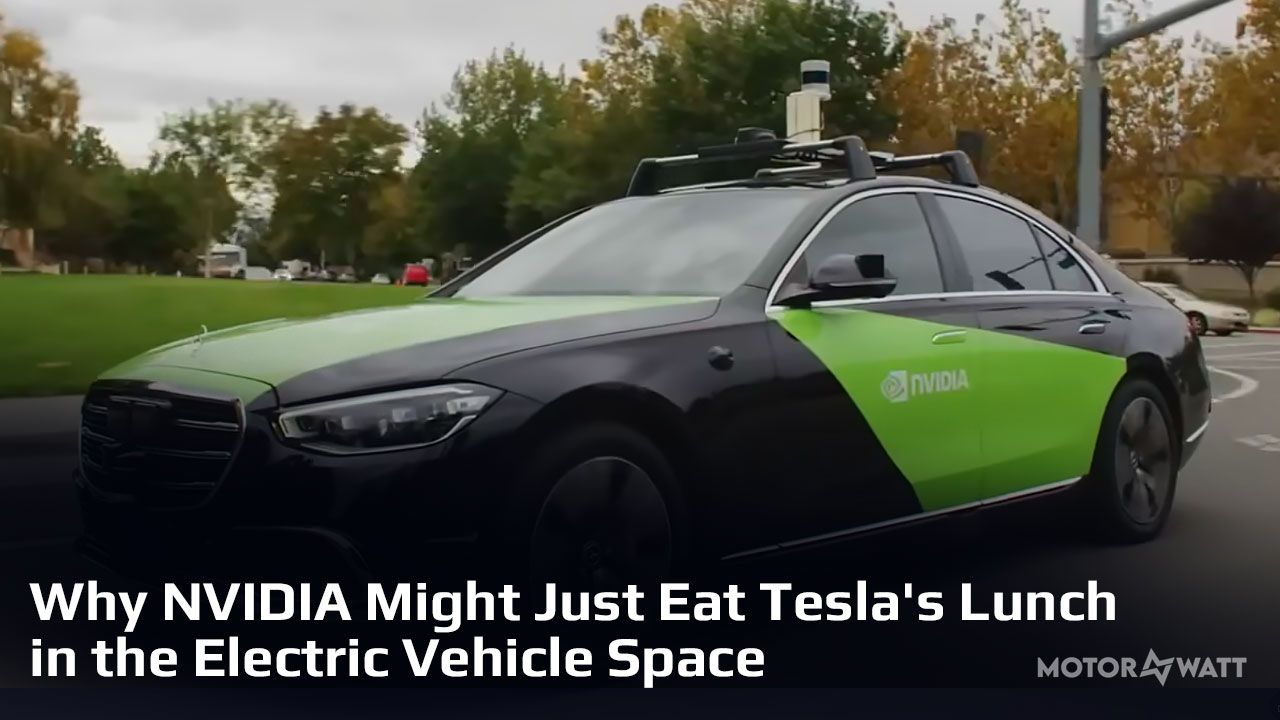
NVIDIA is planning a complete electric vehicle launch by 2028 built around the DRIVE Thor chipset delivering 2,000 teraflops—roughly 4× Tesla's current hardware—while using 15-20% less energy for autonomy tasks. That translates to 50-70 extra miles of real-world range on identical batteries, faster Level 5 self-driving via quantum-level simulation training, predictive maintenance, and seamless Supercharger integration, all assembled in the U.S. for full IRA tax credits and sold through partner brands at potentially lower prices than Tesla.
Look, I’ve been covering cars since the days when “infotainment” meant a cassette deck that didn’t eat your Metallica tape. So when NVIDIA CEO Jensen Huang starts talking about building a complete electric vehicle by 2028, I don’t dismiss it as Silicon Valley bluster. The man already supplies the brains for half the autonomous-driving projects on the road today. Now he wants the whole body too. And if the numbers he’s throwing around hold up, Detroit and even Tesla could be in for a very rude awakening.
What NVIDIA Actually Brings to the EV Table
Most folks think NVIDIA just makes the graphics cards that melt when teenagers mine crypto. Truth is, the automotive side of the company has been quietly raking in billions for years. The DRIVE Hyperion platform already powers robotaxi fleets in China and development mules for Mercedes, Volvo, and Lucid right here in the States. The next leap is DRIVE Thor, a single chip that crams 2,000 teraflops of computing muscle into something the size of a paperback book. For context, the current Tesla HW4 package tops out around 500 teraflops. That’s not a small gap, that’s a canyon.
The real kicker is power draw. NVIDIA claims Thor can deliver four times the performance of today’s setups while sipping only marginally more electricity. Early validation runs suggest a 15-20 percent drop in kilowatt-hours needed for the same autonomy workload. Translate that to the real world and you’re looking at 50-70 extra miles of range on the exact same battery pack. No new chemistry required, no magic sodium cells, just smarter silicon.
The Quantum Smarts Nobody Else Has
Huang keeps dropping the phrase “quantum-level simulation” when he talks about training the next generation of self-driving stacks. He’s not talking actual quantum computers on wheels (thank goodness), but rather physics simulations so accurate that the AI can predict tire slip angles, battery degradation, and even how much range you’ll lose driving into a Kansas headwind before you leave the driveway. Tesla trains on real-world miles, billions of them, no doubt, but NVIDIA can generate synthetic scenarios faster than fleets can rack up actual mileage. That speed advantage matters when regulators want proof your car won’t mow down a school bus in fog.
Manufacturing Cheat Codes
Here’s where it gets scary for legacy automakers. NVIDIA’s forte is designing chips, not stamping fenders, so they’re partnering with Foxconn and other contract manufacturers who already build iPhones by the millions. Foxconn’s new EV plant in Lordstown, Ohio, remember the one that was supposed to save the old GM factory, is being retooled to crank out NVIDIA-based vehicles as early as 2027. Because the heavy lifting is done in software and chip design, the hardware side becomes almost commoditized. Think of it like the Android phone model: same core guts, different bodywork from multiple brands.
That setup plays beautifully with the Inflation Reduction Act rules. Assemble in the USA, use North American battery content, slap whatever badge you want on the hood, and the buyer still pockets the full $7,500 federal credit. Tesla has to build every bolt in-house to protect margins. NVIDIA can farm it out and still come in cheaper.
Supercharger Access Without Begging Elon
Every automaker adopting the NACS port is basically sending royalty checks to Tesla. NVIDIA won’t have to. They’ve already cut deals with Electrify America and EVgo to preload their navigation stack with real-time stall availability, pricing, and even predictive queue times. Pair that with the fact that Thor-based cars will be able to precondition batteries while still 40 miles out, and you eliminate the two biggest pain points American drivers complain about: finding a working fast charger and waiting forever to get juice.
The Software Subscription Goldmine
Tesla makes roughly 30 percent gross margin on FSD subscriptions. NVIDIA’s plan is more aggressive. Every vehicle ships with basic Level 2+ hands-free driving standard, no extra charge, just to get buyers hooked. Then they layer on:
- Highway autopilot with automatic lane changes
- City streets autonomy (available 2028 in approved geofenced areas)
- Remote valet parking and summon
- Predictive maintenance that actually books the service appointment for you
- Insurance monitoring that lowers rates for safe AI driving
Stack all those at $99-$199 a month and the recurring revenue dwarfs what Tesla pulls in today, especially once you’re selling millions of units through multiple brands instead of just one.
Challenges Nobody’s Talking About Yet
Don’t get me wrong, this isn’t a done deal. Scaling from development boards to million-unit automotive production is brutal. Ask Intel how Mobileye is doing lately. Supply-chain snags for 3-nanometer silicon could delay the whole timeline. And regulators, especially NHTSA and the new administration, might look unkindly on a company whose core competency is gaming GPUs suddenly claiming it can keep 4,000-pound missiles from killing people.
Then there’s the small matter of brand. Tesla owners buy the cult. Mercedes buyers want prestige. Who lines up at midnight for an NVIDIA car? The plan seems to be white-label the tech and let Hyundai, Kia, Polestar, maybe even a reborn Fisker slap their badges on it. That works for laptops, but cars are emotional purchases.
What It Means for American Buyers
If even half of Huang’s roadmap hits on schedule, we’re looking at $45,000-$60,000 electric crossovers in 2028 that out-accelerate a Model Y, out-range a Rivian R1S on the same size battery, and drive themselves from Santa Monica to Manhattan with only coffee stops. The federal tax credit will still be in play for domestically assembled units, and insurance companies will be tripping over themselves to discount policies for cars that almost never crash.
Tesla loyalists will scream that nobody matches Elon’s vertical integration or charging network. Fair points today. But when your competitor can update the entire fleet’s autonomy stack overnight, simulate a billion corner cases while you’re still collecting real-world data, and sell the same-spec vehicle through five different dealer networks, vertical integration starts looking like a handicap instead of an advantage.
Bottom Line for Car Shoppers Right Now
If you’re in the market for an EV today, nothing changes. Buy whatever fits your budget and charging habits. But if you’re the type who leases three-year terms or likes trading up every few years, keep an eye on NVIDIA’s announcements at CES 2026 and 2027. The first production cars bearing their architecture (badged as something else) will start hitting showrooms late 2027 as 2028 models. When they do, the pricing, performance, and capability numbers could make today’s $100,000 luxury EVs look like yesterday’s news.
Silicon Valley has tried cracking the car business before and mostly face-planted. This time feels different. The weapon isn’t a pretty body or a clever battery pack. It’s raw computing horsepower married to simulation speeds nobody else can touch. And in a world where the car increasingly is the computer, that might be all that matters.
Related Video