


EV Charge momentum after the credit cliff
EV Charge isn’t a slogan, it’s the surge in electrified driving, charging access, and model launches. Q3 2025 hit 438,000 EVs sold (up 30% year over year) as buyers grabbed the $7,500 credit, then October cooled sharply. With subsidies gone, value and charging convenience decide winners.
Record quarter, hard landing
Shoppers pushed EV share to 10.5% in Q3, then October deliveries slipped about 74% as incentives vanished. The EV Charge conversation moved from rebates to real-world math: sticker price, electricity cost, and charging time now call the shots.
- Q3 units: 438,000 (≈ +30% YoY)
- October slide: ≈ −74% to ~64,000 units
- Market reality: value > hype
Who held ground, who gained
Tesla kept roughly 41% share but ceded points, while GM jumped to ~15% on the Equinox EV’s strength. The headline for EV Charge: legacy makers are finally converting plans into pavement.
Price pressure and what it means for shoppers
Sub-$50k targets, euro conversions included
Automakers are keying on crossovers with 300+ miles (483+ km) and prices below $50,000 (about €43,250 at ~0.865 EUR/USD). Hyundai sliced Ioniq 5 stickers near $35,000 (≈ €30,275). Expect Ford, Honda, and Mitsubishi to land in the same neighborhood to keep the EV Charge moving.
- $50,000 ≈ €43,250; $35,000 ≈ €30,275 (1 USD ≈ 0.865 EUR).
- 300 miles ≈ 483 km; 18-minute fast charges becoming common.
Operating costs vs. gasoline
Even without federal help, electrons remain cheap. At average residential rates, many new crossovers run near $0.04–$0.06 per mile (≈ €0.035–€0.052), while comparable gasoline SUVs often triple that—another tailwind for EV Charge adoption.
Ford’s recalibrated playbook for everyday buyers
Crossovers now, trucks later
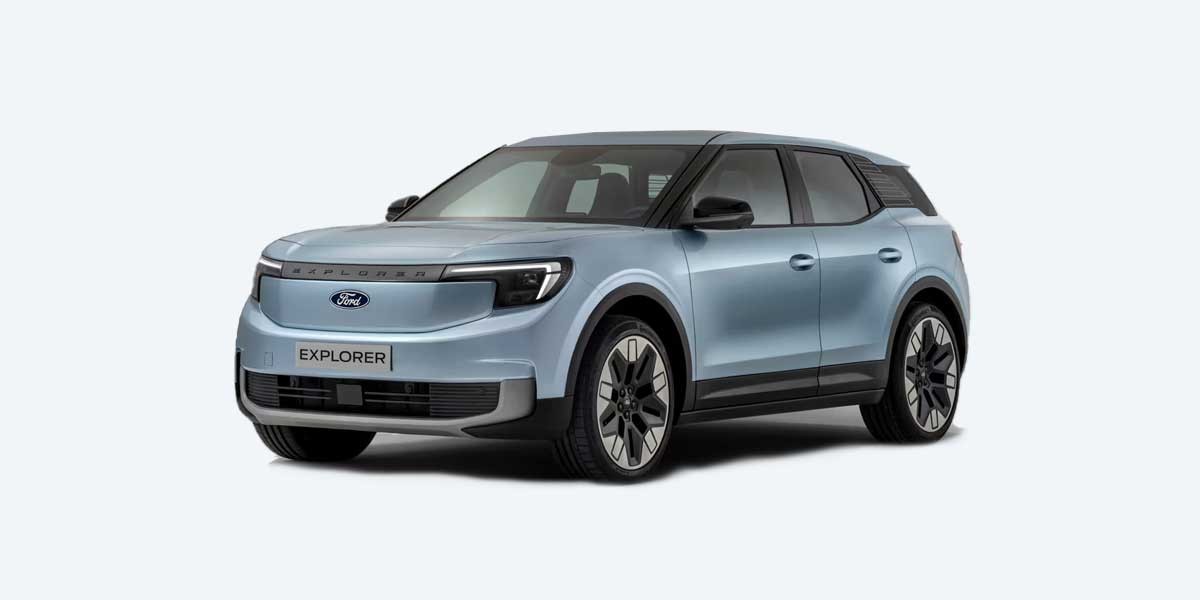
After 30,600 Q3 EVs, Ford is leaning into an affordable compact EV SUV in 2026: sub-$40,000 (≈ €34,600), ~250–300 miles (402–483 km), and urban-friendly size. A three-row Explorer EV is slated for 2027 with a >400-mile (644-km) target to keep the EV Charge alive in family garages.
- Explorer EV window: 2027 (Oakville, Ontario)
- Ranger EV talk: mid-size utility by 2027
T3 truck delayed, strategy intact
Project T3 slides to late 2027, using LFP chemistry for cost control and ~300+ miles (483+ km). Ford balances the EV Charge with hybrids to capture shoppers who aren’t ready to plug in daily.
Chrysler’s comeback: premium cues, Jeep roots
Airflow-style crossover aimed at 400 miles
Chrysler prepares a 2025 electric crossover under $50,000 (≈ €43,250) on STLA Large with a ~400-mile (644-km) goal and Level 3 hands-free. Think quiet cabins, upscale tech, and the EV Charge framed as comfort plus convenience.
- Target range: ≈ 400 miles / 644 km
- Charging: 20–80% in low-20-minute windows
Jeep DNA, suburban polish
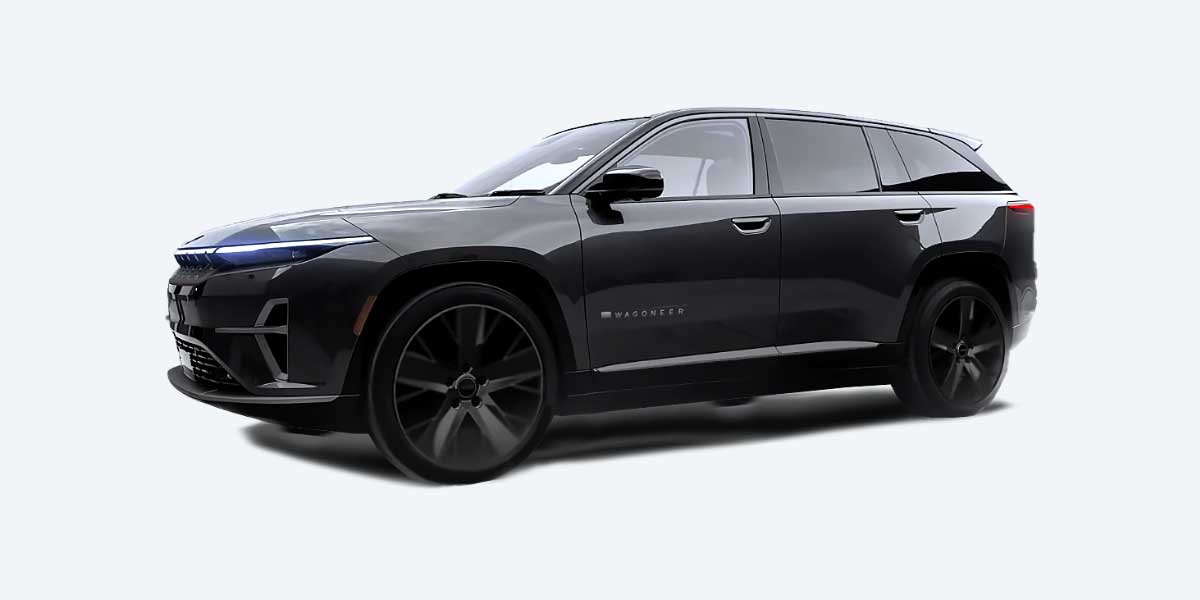
Jeep’s Wagoneer S shows the hardware headroom—dual motors around 600 hp (447 kW), 0–60 mph ≈ 3.4 s (0–97 km/h), 294 miles (473 km). Chrysler’s tune shifts to softer luxury and bidirectional power that fits hurricane-country resilience—core to the EV Charge narrative.
Mitsubishi returns with Alliance muscle
Summer 2026 compact BEV
The brand that once faded from EV chatter re-enters with a U.S.-built crossover derived from Nissan’s next-gen Leaf architecture. Expect ~300 miles (483 km), NACS access to Superchargers, and sub-$35,000 (≈ €30,275) pricing—an EV Charge value play for commuters.
- Platform: CMF-EV/Ariya lineage
- DC fast charging: ~150 kW class
PHEVs as a bridge
Outlander PHEV growth hints at a pragmatic on-ramp. For buyers in apartment living or colder zones, plugging nightly isn’t required—yet they still join the EV Charge with meaningful electric miles.
Honda’s two-track plan: Prologue now, 0 Series next
Prologue keeps it simple
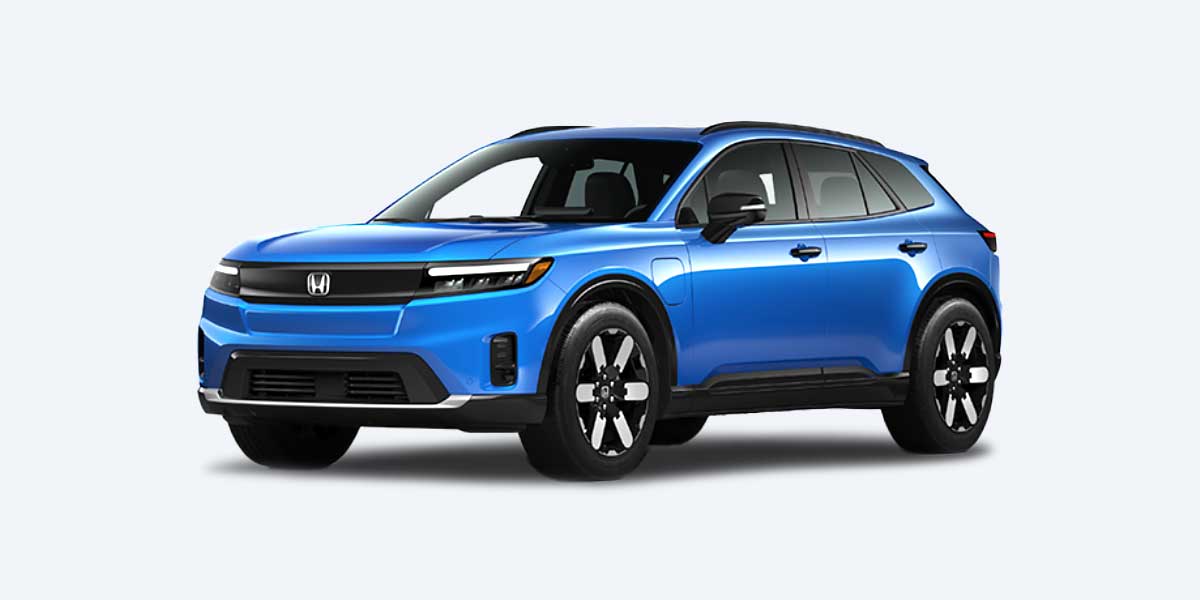
The Prologue remains the easy entry: 294 miles (473 km), Google built-in, and a familiar Honda driving feel. Leasing lures fence-sitters while the broader EV Charge ecosystem matures.
- EPA range: 294 miles / 473 km
- Price context: upper-$40k ≈ €42,294
0 Series heads for high efficiency
Honda’s in-house 0 Series (SUV in H1 2026, sedan in H2) targets sleek aero, ~400 miles (644 km), and attainable pricing under $30,000 (≈ €25,950) for the smallest variant—catnip for the EV Charge where affordability dictates adoption.
Hyundai’s aggressive pricing keeps the meter running
Ioniq 5 as the value foil
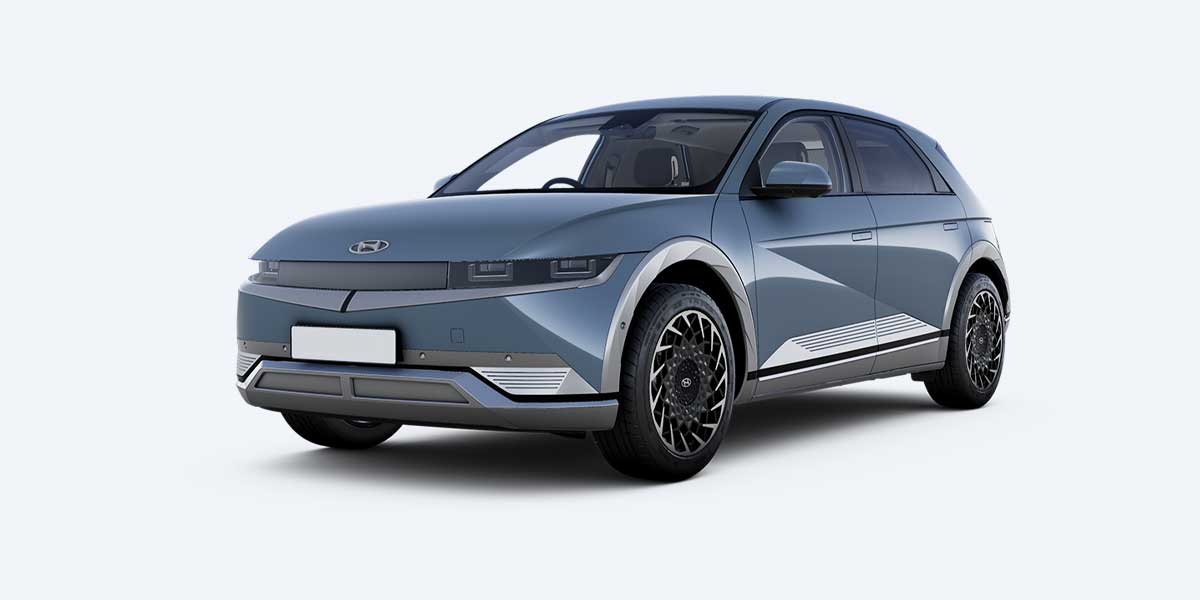
Hyundai cuts 2026 Ioniq 5 SE RWD to around $35,000 (≈ €30,275), with ~303 miles (488 km) and 10–80% in ~18 minutes on 800-V hardware. Built in Georgia, it avoids tariffs, accelerates the EV Charge, and pressures rivals to match.
- DC peak: up to ~235 kW
- V2L onboard for campsite or tailgate loads
Why it matters now
Post-credit, leases around $249/month level the playing field for families comparing monthly costs. With gas hovering near the mid-$3s, the EV Charge wins on total cost even before maintenance savings.
Charging, access, and the ownership curve
Plug availability is getting better—slowly
Public ports passed 168,000 nationwide, and NACS adoption means more brands can use Tesla sites. That said, charging deserts linger in rural corridors, the biggest friction point for the EV Charge outside metro areas.
- Public ports: 168,000+ and climbing
- NACS: wider interoperability across brands
Home charging and rebates
States such as California, Colorado, and New Jersey offer $500–$1,200 rebates for Level 2 installs. Overnight refills at 11.5 kW mean you wake to 30–40 kWh recovered—enough for most daily cycles. The EV Charge starts at your own breaker panel.
Where Tesla stands—strengths and new stressors
Share leader, price setter
Tesla still sets the pace on software and charging reliability. Yet with share easing toward ~41%, the EV Charge isn’t a one-brand story anymore. Legacy nameplates finally have compelling specs and pricing, and that’s healthy for shoppers.
- High-volume benchmark: Model Y
- Pressure points: pricing power, feature parity
Why competition lifts the category
Equinox EV volume, Ioniq 5 discounts, and Ford’s affordable SUV compress price gaps. The result of the EV Charge: more choice, less sticker shock, and fewer compromises.
What to watch in 2026
Battery costs and charging speed
Pack costs keep sliding into 2026, and 200-kW-plus fast charging becomes table stakes. Expect more LFP variants for value and denser NMC chemistries for range—two distinct lanes feeding the EV Charge.
- Typical highway speeds: 70 mph ≈ 113 km/h drag-sensitive
- Common range target: ≥ 300 miles / 483 km
Domestic manufacturing edge
Building in North America dodges tariffs and tightens logistics. It’s how legacy brands price under $50,000 (≈ €43,250) while still funding software and safety suites—critical fuel for the EV Charge across the Midwest and Sun Belt.
Buyer’s quick guide: models and targets
Key players at a glance
Here’s a compact look at several headline entries that are shaping the EV Charge conversation for mainstream buyers weighing cost, range, and space.
| Model | Indicative Price (USD / EUR) | Range (mi / km) | Charge (10–80%) |
| Ford compact EV SUV (2026) | $39,9k / €34,5k | 250–300 / 402–483 | ~30–35 min @ ~150 kW |
| Chrysler STLA Large crossover | <$50k / <€43,3k | ~400 / ~644 | ~20–25 min |
| Mitsubishi BEV (summer 2026) | <$35k / <€30,3k | ~300 / ~483 | ~30–35 min @ ~150 kW |
| Honda 0 Series (small) | <$30k / <€26,0k | ~300+ / ~483+ | ~30–35 min |
| Hyundai Ioniq 5 SE (2026) | $35k / €30,3k | 303 / 488 | ~18 min (800-V) |
How to choose smartly
Prioritize use-case over peak stats. If your commute is 30–50 miles (48–80 km) round-trip with home charging, a value-tuned LFP pack is perfect. Regular road-tripper? Aim for 800-V hardware and ≥ 200-kW peaks. That’s how you win the EV Charge on your terms.
Pros and cons to weigh before you plug in
Pros
- Lower operating costs than gasoline, even without federal credits
- More 300-mile options under $50k (≈ €43,250)
- Domestic builds reduce tariff exposure and delivery times
- Growing NACS access improves long-trip planning
Cons
- Rural charging gaps and occasional DC fast-charge congestion
- Higher insurance in some regions vs. comparable ICE models
- Resale and incentives vary widely by state and season
What it all means for your next purchase
EV Charge has moved from incentive-hunting to value-hunting. With sharper pricing, 300-mile ranges, and expanding public plugs, legacy brands finally offer credible alternatives to Tesla. If your driveway fits a crossover, the smartest buy of 2026 may run silent, charge overnight, and cost less per mile than your lawn mower.