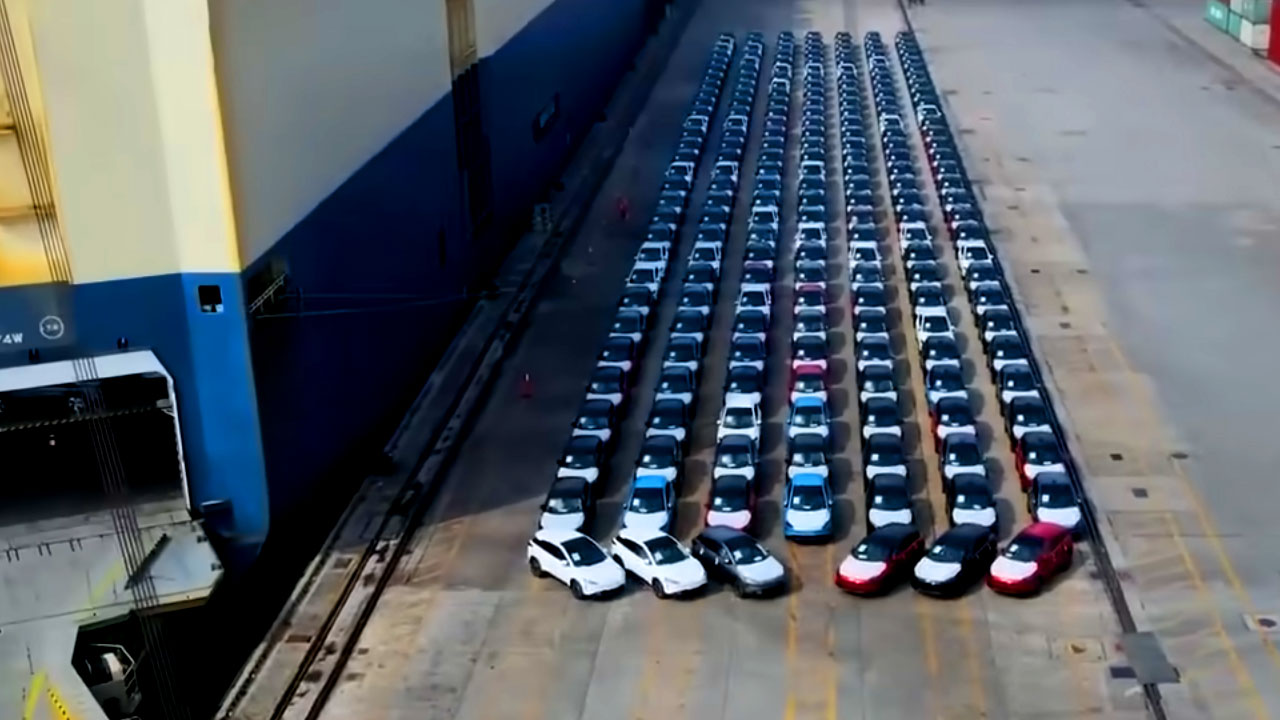

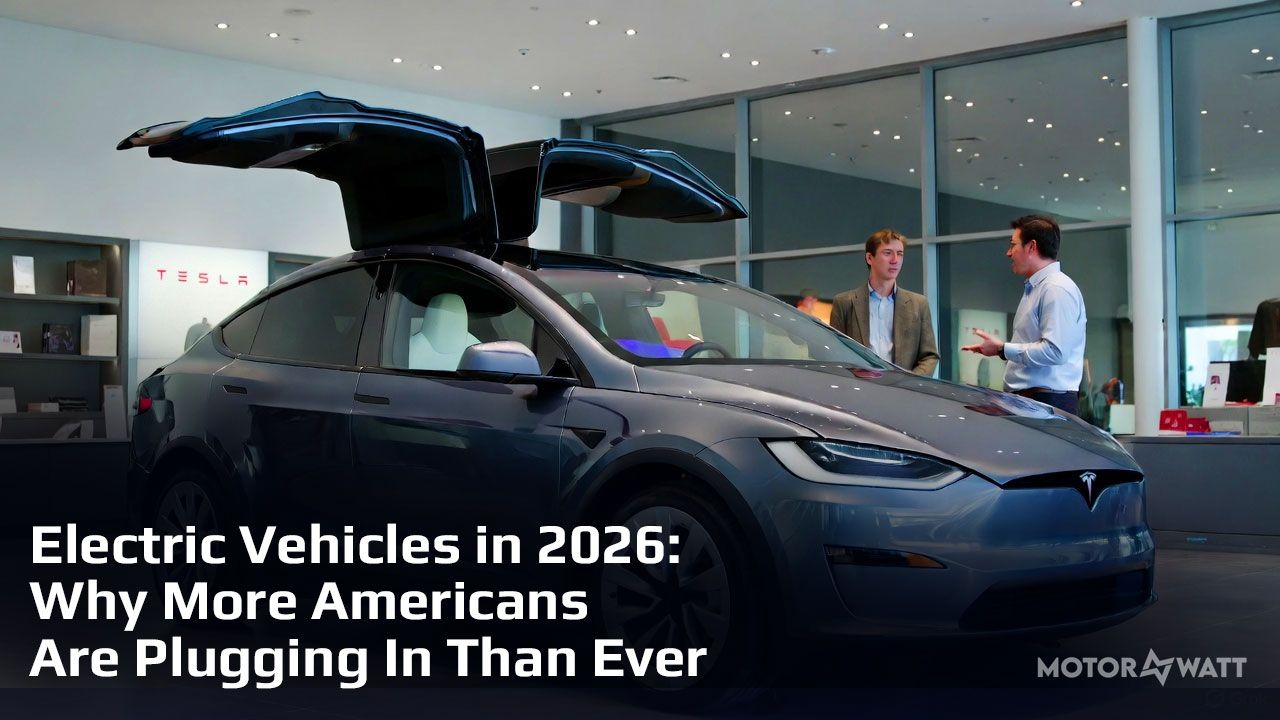
Electric Vehicles in 2026 are gaining traction across the United States thanks to improved driving ranges, stronger owner satisfaction, and JD Power data showing nearly 60% of shoppers leaning electric. With more lease returns hitting showrooms and charging access expanding, electric driving edges into mainstream territory.
Growing Interest in Electric Vehicles in 2026
Shifting consumer behavior is steering more buyers toward EVs as confidence builds around range and affordability. The latest JD Power study notes that close to six out of ten new-car shoppers plan to investigate electric options in the upcoming months. That’s a noticeable jump from earlier findings, suggesting that hesitation is fading as technology matures.
Drivers are discovering that modern battery systems routinely exceed 300 miles (around 480 km) of range, a far cry from the short-distance pioneers of the previous decade. Energy density improvements and enhanced cold-weather performance are persuading many first-timers to take a second look at EVs, especially in states where winter used to be the enemy of lithium-ion batteries.
- Average EV range: 300–340 miles (480–547 km)
- OTS software boosts efficiency over time
- Improved cold-weather durability
Home charging has also turned into a major selling point. Level 2 equipment, typically priced near one grand, transforms a garage into a private charging hub. With electricity often costing far less than gasoline, many drivers discover that annual fueling expenses shrink from roughly $1,500 to around $500 depending on regional rates.
Batteries and Charging: Key Drivers of EV Adoption
Battery advancements continue to push EV adoption trends forward. Engineers are refining solid-state prototypes promising greater energy density and improved thermal stability. Although still in development, firms such as QuantumScape and Toyota forecast market readiness soon, which could propel the Electric Vehicles in 2026 conversation well beyond today’s metrics.
Over-the-air updates also play a pivotal role. Similar to smartphone patches, these upgrades refresh performance, adjust range algorithms, and enhance safety features without stepping foot in a dealership.
- Solid-state designs target higher energy density
- Enhanced safety through thermal stabilization
- OTA updates refine efficiency
Public charging remains a work in progress, but strides are emerging as networks expand. Over 200,000 public ports now operate nationwide, and the North American Charging Standard opens previously exclusive charging infrastructure to more brands.
High EV Owner Loyalty and What Drives It
One standout finding from JD Power reports is the astonishing 94% loyalty rate among electric owners. That figure eclipses loyalty numbers for gasoline-powered models, where shoppers frequently hop between brands. Lower running costs, instant acceleration, and smoother driving experiences create a compelling retention cycle.
EVs dodge routine expenses like oil changes and transmission servicing. With fewer mechanical components, long-term upkeep costs drop by an estimated forty to fifty percent compared to ICE vehicles. Meanwhile, instant torque transforms even the most mundane commute into something sharper, particularly for drivers coming from four-cylinder crossovers.
- Maintenance costs: ~40–50% lower than gasoline
- Instant torque enhances daily driving
- Quieter cabin operation
However, satisfaction dips when public charging access is limited. The adoption of NACS aims to smooth those frustrations and attract wider EV interest in 2026.
Used EV Boom Fueled by 2026 Lease Returns
A tidal flow of lease expirations—around 243,000 in 2026—will inject a surge of pre-owned electric cars into the market. That’s threefold the number from 2025 and could ignite a dramatic shift in affordability for Electric Vehicles in 2026. Dealers anticipate a sharp rise in trade-ins as lessees pursue newer models with longer ranges and fresher tech.
Analysts expect used EV values to dip roughly twenty to thirty percent as inventory grows. Budget-conscious shoppers might soon spot well-equipped models like the 2023 Ford Mustang Mach-E priced under $25,000, still covered by warranties.
- Lease returns 2026: ~243,000 units
- Projected used EV price drop: 20–30%
- Increased affordability for entry-level buyers
States with dense resale networks—Florida, New York, and California—stand to see the quickest ripple effects, making used EV buying more accessible than ever.
Hyundai and Kia Take the Lead in Satisfaction
JD Power rankings show two Korean brands consistently shining among mass-market electric cars. The Hyundai IONIQ 6 tops the segment with a score of 751, closely trailed by the Kia EV6 at 743. Long warranties, intuitive mobile apps, and solid reliability scores help them rise above crowded competition.
The Hyundai IONIQ 5 extends up to 303 miles of range (488 km), charges from ten to eighty percent in around 18 minutes, and offers clever packaging that rivals luxury-grade interiors—all at prices far below premium EVs.
- Hyundai IONIQ 6: 751 satisfaction score
- Kia EV6: 743 satisfaction score
- Battery warranties: up to 10 years / 100,000 miles
Both Hyundai and Kia benefit from U.S.-based plants, allowing shoppers to take advantage of local incentives while keeping production volumes stable.
A Maturing Market and What Electric Vehicles in 2026 Represent
Electric driving is shifting from curiosity to necessity for many households trying to control fuel spending and shrink environmental footprints. With rising climate concerns and oil price swings, EVs present a more predictable ownership model compared to gasoline-driven options.
Challenges remain in rural regions where charging infrastructure trails behind public demand. Yet, federal programs continue allocating billions toward expanding access. Bidirectional charging—where vehicles can power homes during outages—is another emerging capability pushing Electric Vehicles in 2026 into wider conversations about reliability.
- Public charging ports: 200,000+
- Potential U.S. EV market share by 2030: ~20%
- Bidirectional charging adoption rising
With more models entering showrooms—from compact hatches to rugged electric trucks—choices are expanding, drawing in shoppers who previously dismissed EVs as niche products.
Final Thoughts and Buyer Takeaways
Pros
- Lower operating and maintenance costs
- Growing inventory of used EVs
- Improved battery performance and range
- High owner loyalty
- Expansion of public charging
Cons
- Charging gaps remain in rural regions
- Cold weather can still affect range
- Some used EVs may have faster depreciation
- Public charging reliability varies
Summary
Electric Vehicles in 2026 show genuine momentum as shoppers discover lower expenses, smoother driving, and expanding used-car options. For families weighing long-term savings and cleaner transportation, the latest generation of EVs offers an increasingly convincing reason to plug in.
Related Video