





Formula Sun Grand Prix 2026: Solar Car Racing at Brainerd
How to Follow and Understand the Formula Sun Grand Prix 2026: Solar Innovation on the Track
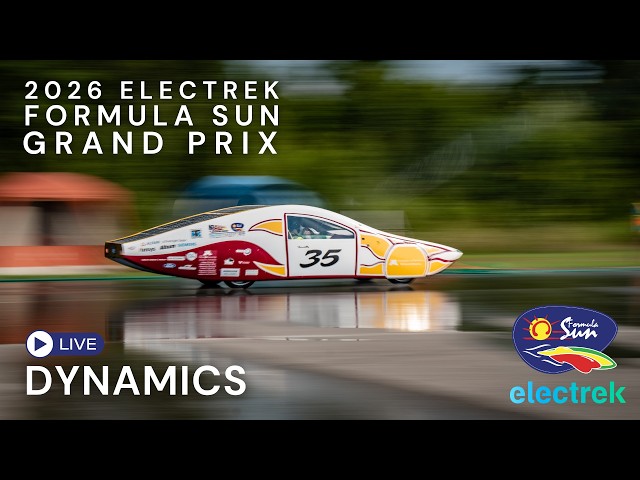
Teams will compete for the most laps around Brainerd International Raceway using only solar power during the Formula Sun Grand Prix 2026. This three-day track event runs July 21-23 at the Minnesota venue and serves as the key qualifier for the American Solar Challenge road race that follows.
Research shows growing interest in collegiate solar competitions with record registrations for 2026. Data reveals participation has climbed steadily since the event began in 2000, highlighting advances in student-led electric vehicle technology.
- Record field of nearly 50 teams expected from multiple countries
- 24 total hours of track time over three days
- Focus on efficiency with solar arrays limited to 4 square meters
- Free public access at Brainerd International Raceway
What Makes the Electrek Formula Sun Grand Prix Different from Traditional Racing?
Unlike gas-powered events, the Formula Sun Grand Prix 2026 rewards smart energy management and vehicle design. Teams complete as many laps as possible on a closed 3.1-mile road course featuring sweeping turns and a long front straight. Single-occupant vehicles win by total laps while multi-occupant classes use a scoring formula that balances laps, passengers and efficiency.
According to event organizers, this format tests real engineering skills beyond speed. Student teams handle everything from aerodynamics to battery strategy under strict safety rules. Data from previous years indicates top teams often exceed 200 laps, covering hundreds of miles on solar energy alone.
Why Brainerd International Raceway Suits Solar Car Racing in 2026
Brainerd International Raceway offers a fast, flowing layout ideal for solar vehicles. The track provides wide passing zones and less elevation change than prior venues, allowing teams to maintain consistent speeds and maximize solar collection. Organizers note this marks the first time FSGP visits the Minnesota facility.
Public viewing areas give spectators clear sightlines across much of the course. Best times include midday hours when solar performance peaks. This setup creates an accessible experience for fans interested in electric vehicle technology and sustainable engineering.
Key Teams and International Participation for Formula Sun Grand Prix 2026
A record entry list features strong contenders from across North America plus first-time international squads. Teams like University of Minnesota Solar Vehicle Project bring home-track advantage while newcomers from Europe add fresh perspectives.
Past results show consistent performers from institutions such as University of Illinois, Stanford and various Canadian schools. Data reveals these programs produce graduates who contribute to major EV companies. One expert from a leading solar team noted that hands-on racing experience accelerates learning in battery systems and lightweight materials.
How Solar Cars Work: Technical Insights from the 2026 Competition
Every vehicle adheres to tight regulations. Solar arrays cap at 4 square meters with allowances for strategic reorientation during charging windows. Advanced batteries store energy for consistent performance even when clouds appear.
Research indicates modern collegiate solar cars achieve impressive efficiency through carbon fiber construction, optimized aerodynamics and high-performance electric motors. According to industry analysis, these projects drive broader innovation in electric vehicle components. Teams spend thousands of hours refining designs before scrutineering begins July 17-20.
- Aerodynamic shells reduce drag for better energy use
- Custom battery packs balance weight and capacity
- Driver strategy plays a major role in lap totals
- Real-time monitoring helps teams adapt to conditions
Preparation and Strategy That Wins at Formula Sun Grand Prix
Successful teams master several areas. Scrutineering checks safety and compliance before any laps count. Drivers practice passing and pit stops while support crews monitor energy flow.
Experts recommend focusing on reliability over raw speed. One veteran team advisor from a top engineering school stated that consistent performance across all three days separates champions. Data from recent events shows top finishers often avoid major mechanical issues through thorough pre-race testing.
Qualifying for the American Solar Challenge requires meeting distance benchmarks on track. This ensures vehicles can handle the 1500-plus mile road race that starts July 25 from the Twin Cities area and ends in Amarillo, Texas.
Impact on Electric Vehicle Industry and Future Talent
The Formula Sun Grand Prix 2026 highlights pathways from classroom to industry. Many alumni join companies advancing battery tech, solar integration and autonomous systems. Surveys indicate these experiential programs boost skills in project management and innovation.
McKinsey reports growing demand for engineers experienced in sustainable mobility. Collegiate solar racing provides exactly that training. Predictions for 2026-2027 suggest continued growth in similar student competitions as electric vehicle adoption accelerates globally.
Practical Ways to Engage with Solar Car Racing This Year
Plan a visit to Brainerd for free public access during race hours. Follow live updates through official channels and Electrek coverage. Schools interested in future participation can review regulations and registration details on the American Solar Challenge website.
Support local teams through sponsorships or volunteer opportunities. These contributions help expand programs that inspire the next generation of clean technology leaders.
Trends Shaping Solar Vehicle Competitions Heading into Late 2026
Advances in solar cell efficiency and energy storage point to even stronger performances ahead. Organizers anticipate larger fields and tighter competition as more international teams join.
Industry observers expect greater integration of AI for energy management and vehicle control. These developments align with broader shifts toward renewable transportation solutions. The Formula Sun Grand Prix continues to serve as a proving ground for ideas that could reach consumer electric vehicles in coming years.
Mark your calendar for July 21-23 and witness engineering excellence powered by the sun at Brainerd International Raceway. The event delivers excitement, education and a clear vision for sustainable mobility.