Volvo A30 Electric Debuts in Norway: World First at Hydropower Site
How Does the Volvo A30 Electric Transform Hydropower Construction in Norway in 2026
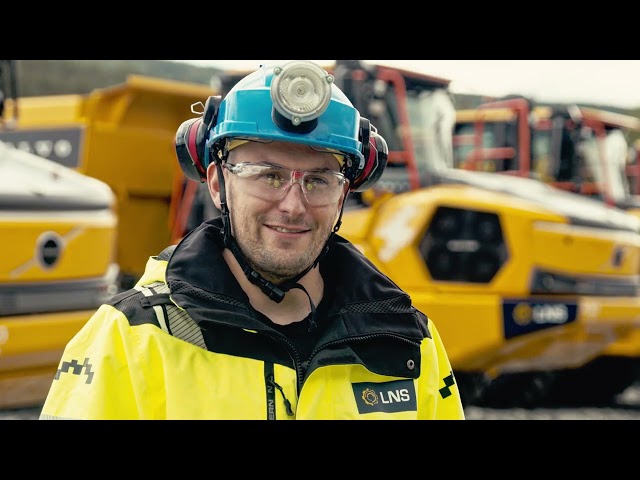
Operators at the Hemsil 3 hydropower project in Norway now rely on the world’s first deployed Volvo A30 Electric articulated haulers to move material efficiently while producing zero tailpipe emissions. This deployment by contractor LNS for client Hafslund Kraft demonstrates immediate practical benefits of battery electric heavy equipment in real world tunnel construction. Four units have already reached the site with three more scheduled soon, setting a new standard for sustainable infrastructure work.
- First serial produced 30 ton class electric articulated hauler enters active service on a major Norwegian hydropower build.
- Project expected to add 110 GWh of annual renewable energy production by 2029.
- Zero emission operation proves ideal for 20 km tunnel construction with enclosed spaces.
- Early operator feedback highlights smooth performance and reduced noise levels compared to diesel counterparts.
What Makes the Volvo A30 Electric Suitable for Tunnel Work
Construction teams face unique challenges in underground environments where diesel exhaust creates ventilation demands and health risks. The Volvo A30 Electric addresses these directly through battery power that eliminates emissions at the source. Project managers selected these haulers specifically because blasting cycles provide natural downtime for charging without disrupting workflow. Data from similar electric deployments shows up to 50 percent lower operating costs over time through reduced fuel and maintenance needs according to industry analysis from 2025.
The machines traveled 700 km from Volvo CE’s production facility in Braås, Sweden, to the Hallingdal region site. This journey through mountainous terrain already showcased their transport readiness. Once on location the haulers support excavation and material handling for the Hemsil 3 power plant expansion. Their quiet operation improves communication among crews and reduces overall site disturbance in environmentally sensitive areas.
Why Norway Leads Electric Construction Equipment Adoption
Norway’s strong environmental policies and hydropower expertise create perfect conditions for testing advanced electric machinery. Hafslund Kraft project manager Lars Oust emphasized the client’s commitment to electrification saying forward leaning approaches drive demand for new technology. LNS site manager Steffen Solstrand Ludvigsen expressed pride in securing the first units noting the project’s fit for electric haulers with built in charging opportunities.
Research from 2026 indicates European infrastructure projects using electric equipment achieve 30 to 40 percent emission reductions during construction phases. Volvo CE’s dealer Volvo Maskin AS supports the fleet ensuring maximum uptime through specialized service. Head of operations David Kristiansund noted strong Norwegian demand for zero emission solutions positions the country as a global leader.
How Battery Electric Haulers Compare to Traditional Diesel Models
Performance metrics reveal the A30 Electric matches or exceeds diesel counterparts in key areas for this application. Torque delivery from electric motors provides instant power for loaded hauls while regenerative braking extends range during downhill operations. Operators like Przemysla Wessel describe the driving experience as smooth comfortable and easy noting it feels like a step into the future.
Industry reports project the global market for electric construction equipment to grow rapidly through 2030 with articulated haulers leading adoption in Europe. Volvo CE’s portfolio expansion includes both A30 and larger A40 Electric models signaling broader availability soon. Early deployments like Hemsil 3 provide valuable data for refining battery management and charging infrastructure at scale.
What Technical Features Enable Reliable Operation
The A30 Electric incorporates advanced thermal management systems that maintain optimal battery performance across varying Norwegian weather conditions. Payload capacity remains competitive with diesel versions while total cost of ownership benefits emerge through lower energy costs and simplified powertrains. Tunnel specific advantages include reduced heat generation and elimination of diesel particulate matter improving air quality for workers.
Project timelines benefit from consistent power output without the warm up periods required by combustion engines. Data reveals electric machines often achieve higher utilization rates in cyclic operations like tunnel mucking where charging aligns with operational pauses. This deployment validates Volvo CE’s serial production strategy announced following positive pilot results.
How This Deployment Impacts Broader Sustainable Infrastructure Goals
Hafslund Kraft aims to expand renewable energy capacity while minimizing construction related carbon footprint. Using electric haulers directly supports these dual objectives by replacing fossil fuel dependent equipment in critical path activities. The Hemsil 3 project spans Hemsedal and Gol municipalities contributing to Norway’s ambitious climate targets.
Experts predict similar projects will accelerate adoption across Scandinavia and beyond. McKinsey research from 2025 highlights infrastructure electrification as a key lever for meeting net zero commitments with construction equipment representing significant opportunity. Volvo CE continues investing in expanded charging solutions and fleet management software to support larger scale implementations.
What Operators Experience with Electric Haulers
First hand accounts from the site emphasize ergonomic improvements and reduced fatigue. The absence of engine noise and vibration creates a more pleasant cabin environment during long shifts. Instant torque response enhances maneuverability in tight tunnel spaces common to hydropower developments. These human factors contribute to better safety records and higher job satisfaction according to preliminary observations.
Training for electric equipment proves straightforward for experienced operators with focus shifting to battery management and regenerative techniques. Volvo CE provides comprehensive support through its dealer network ensuring smooth transition from traditional fleets.
What Future Trends Emerge for Electric Construction Fleets
By late 2026 industry observers expect multiple manufacturers to follow Volvo CE’s lead with production electric articulated haulers. Integration of renewable energy sources for site charging will further enhance sustainability profiles. Autonomous features combined with electrification could deliver additional productivity gains in controlled environments like tunnels.
Predictions for 2026 2027 indicate 20 to 30 percent of new heavy equipment purchases in progressive European markets will feature electric or hybrid powertrains. Norway’s success with the A30 Electric provides a blueprint for other regions pursuing similar green infrastructure initiatives. Volvo Group’s commitment to sustainable transport solutions across segments positions them favorably in this transition.
How to Prepare Your Operation for Electric Equipment Transition
1. Assess current fleet utilization patterns to identify applications with natural charging opportunities.
2. Evaluate site power infrastructure and plan necessary upgrades for high capacity charging.
3. Partner with manufacturers and dealers early to secure pilot units and gather operational data.
4. Train operators on electric specific techniques focusing on energy management.
5. Calculate total cost of ownership including energy maintenance and emission related savings.
6. Engage clients and stakeholders to build support for higher initial investments with long term benefits.
7. Monitor policy developments and incentive programs that accelerate electrification payback.
This structured approach helps contractors replicate the success seen at Hemsil 3 while minimizing risks during technology adoption. Early movers gain competitive advantages through demonstrated environmental performance and operational efficiency.
The Volvo A30 Electric deployment in Norway represents more than a single project milestone. It signals the accelerating shift toward zero emission solutions in heavy construction where practical advantages align perfectly with environmental imperatives. As more fleets incorporate these machines the industry moves closer to truly sustainable infrastructure development that supports renewable energy goals without compromising productivity or worker wellbeing. LNS and Hafslund Kraft’s pioneering effort provides inspiration and valuable lessons for projects worldwide seeking similar advancements in 2026 and beyond.