
Windrose Electric Trucks Arrive in the US Market
How Fleet Operators Can Benefit from Windrose Electric Trucks Coming to the US in 2026
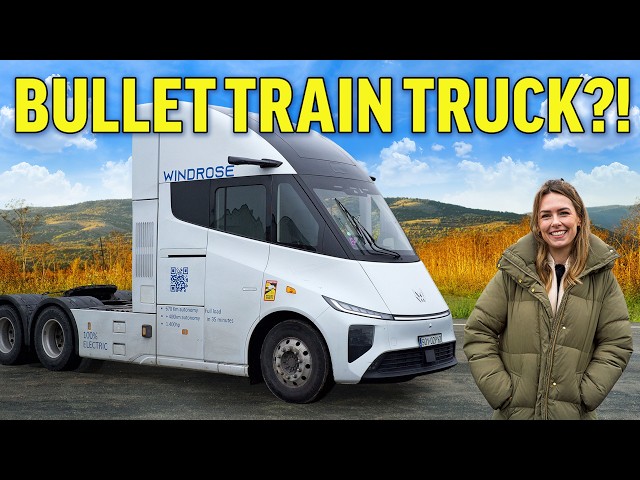
Windrose electric trucks have entered the US market with the first delivery already complete to a Texas logistics company. These Class 8 electric semis offer long haul capability with lower running costs and zero tailpipe emissions making them attractive for fleets under pressure to decarbonize.
Industry data shows heavy duty trucking accounts for a significant share of transport emissions. Research indicates electric options can cut operating expenses by up to 50 percent through cheaper electricity and reduced maintenance. Windrose aims to capture part of this shift with its R700 model.
- First US delivery completed in early 2026
- Plans call for 100 trucks built by end of Q3 2026
- Pre orders from multiple continents nearly fill initial production
- Pricing around 285000 dollars positions it competitively
What Sets Windrose Electric Semi Trucks Apart for American Roads?
Windrose developed its long haul electric trucks with substantial battery packs designed for real world sleeper cab operations. Early US deployments focus on regional and longer routes in the Southwest where charging infrastructure continues to expand.
According to company statements the trucks deliver strong performance for overnight hauls. Fleet partners report positive early results in states with supportive EV policies like California. This aligns with broader industry moves toward electrification.
Timeline and Expansion Plans for Windrose in the US Market
Windrose made its first US delivery in April 2026 through an American partner. Production ramps up with a target of 100 trucks by September 2026. The company headquartered in Belgium but with Chinese roots leverages global supply chains for competitive builds.
Future growth includes wider nationwide rollout. Data from similar EV truck introductions reveals fleets often start in one region before scaling. Windrose follows this path with initial focus on high volume corridors.
Technical Specs and Real World Performance of Windrose Trucks
The R700 features advanced battery technology aimed at highway efficiency. While exact range figures vary with load and conditions operators expect solid capability for long haul segments when paired with strategic charging.
Experts highlight benefits in total cost of ownership. One trucking analyst noted that electricity costs per mile run far below diesel especially with depot charging. Maintenance savings from electric powertrains add further appeal.
- Heavy duty Class 8 configuration for full trailer loads
- Sleeper cab design for team driving and rest periods
- Integration with existing logistics workflows
- Support for expanding US charging networks
Market Challenges and Opportunities for Electric Heavy Trucks
Charging infrastructure remains a key consideration for long haul operations. Windrose trucks benefit from partnerships that include charging solutions. Government incentives and state grants help offset upfront costs for early adopters.
According to recent industry surveys fleet interest in electric semis grows as reliability data accumulates. Windrose joins other players pushing the segment forward. Predictions for 2026 through 2030 forecast accelerating adoption as battery prices drop and ranges improve.
Comparison with Other Electric Truck Options in the US
Windrose positions its offering with attractive pricing and global experience. Established North American makers focus on different segments but competition drives innovation across the board.
Fleets evaluating options look at factors like payload range uptime and service networks. Early Windrose customers provide valuable feedback as more units hit the road. This real world data helps refine future generations.
Actionable Steps for Fleets Considering Windrose or Similar EV Trucks
Start with a pilot program on suitable routes. Assess depot charging capabilities and driver training needs. Calculate total cost of ownership using current electricity rates and incentive programs.
Engage with manufacturers for detailed demos and data from existing deployments. Partner with charging providers to build reliable networks. Monitor policy developments that could impact ROI.
Implementation often takes six to twelve months from initial evaluation to first trucks in service. Early movers gain experience advantages as the market matures.
Future Outlook for Windrose and Electric Trucking in America
Windrose plans continued expansion with next generation models targeting even longer ranges by 2030. These developments support national goals for cleaner freight transport.
Industry leaders expect electric heavy duty vehicles to capture growing market share over the decade. Windrose contributes through accessible pricing and proven international track record. Fleets that adopt now position themselves well for upcoming regulations and customer demands for sustainable shipping.
The arrival of Windrose electric trucks marks another step in the transformation of American trucking. Operators have more choices than ever to test and integrate zero emission solutions into their operations.