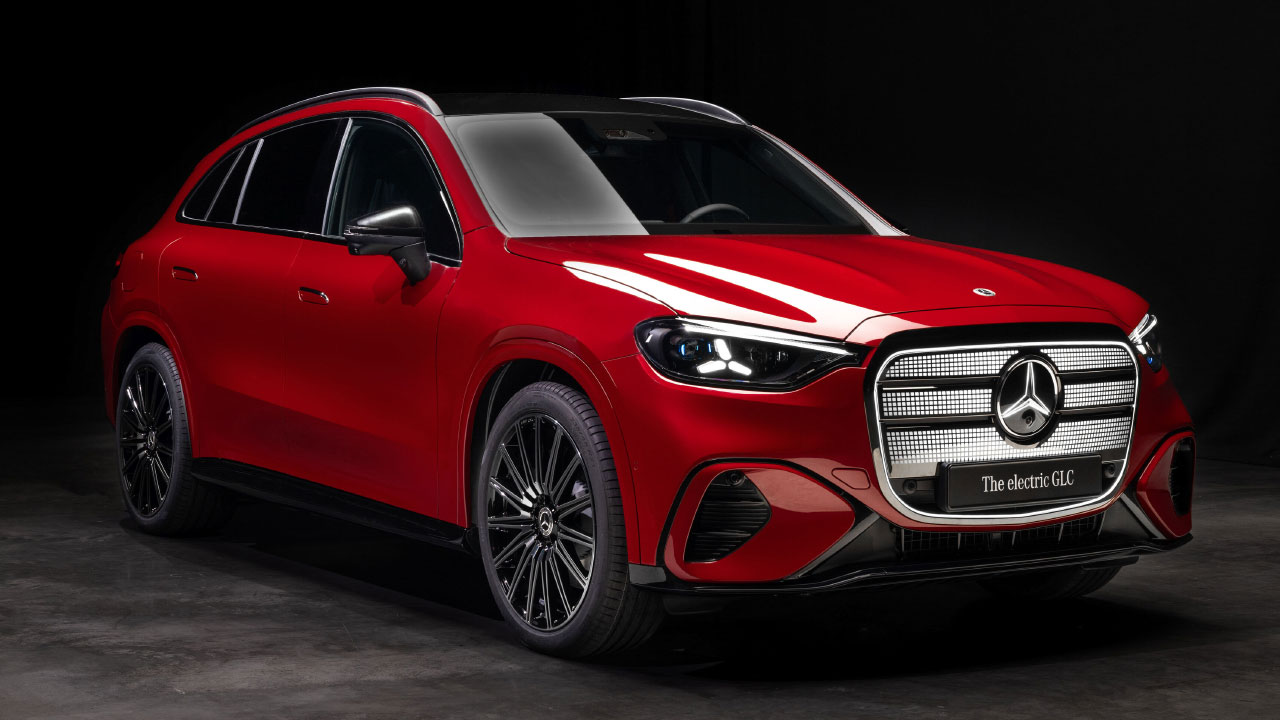

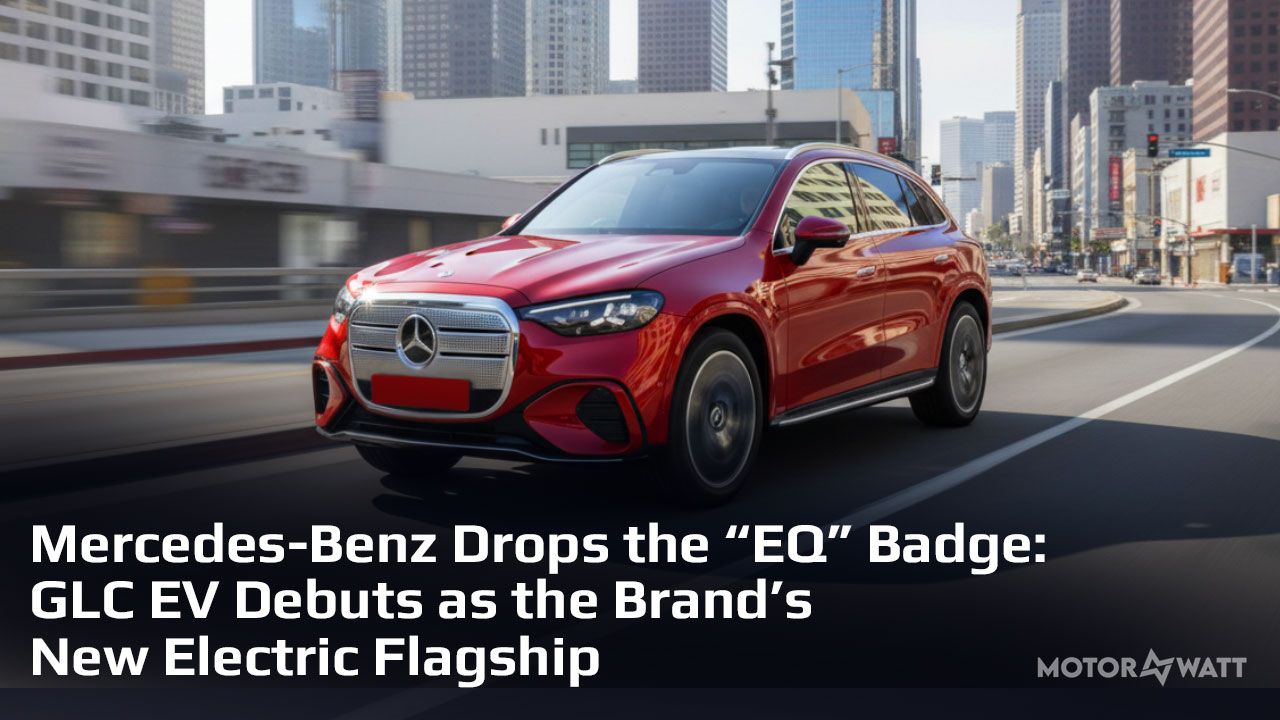
The Mercedes-Benz GLC EV marks a pivotal shift for the brand—its first electric SUV to abandon the “EQ” identity. Rather than being a futuristic offshoot, it represents a confident evolution of the mainstream GLC into an all-electric luxury model. With its 82 kWh battery and 320-mile WLTP range (around 515 km), this SUV merges the familiar comfort of a Mercedes with quiet, zero-emission power. Built on the Mercedes Modular Architecture (MMA), the GLC EV is no prototype—it’s a full-fledged replacement for the combustion GLC, proving that electric is now the new normal in Stuttgart’s lineup.
Design and Exterior Styling
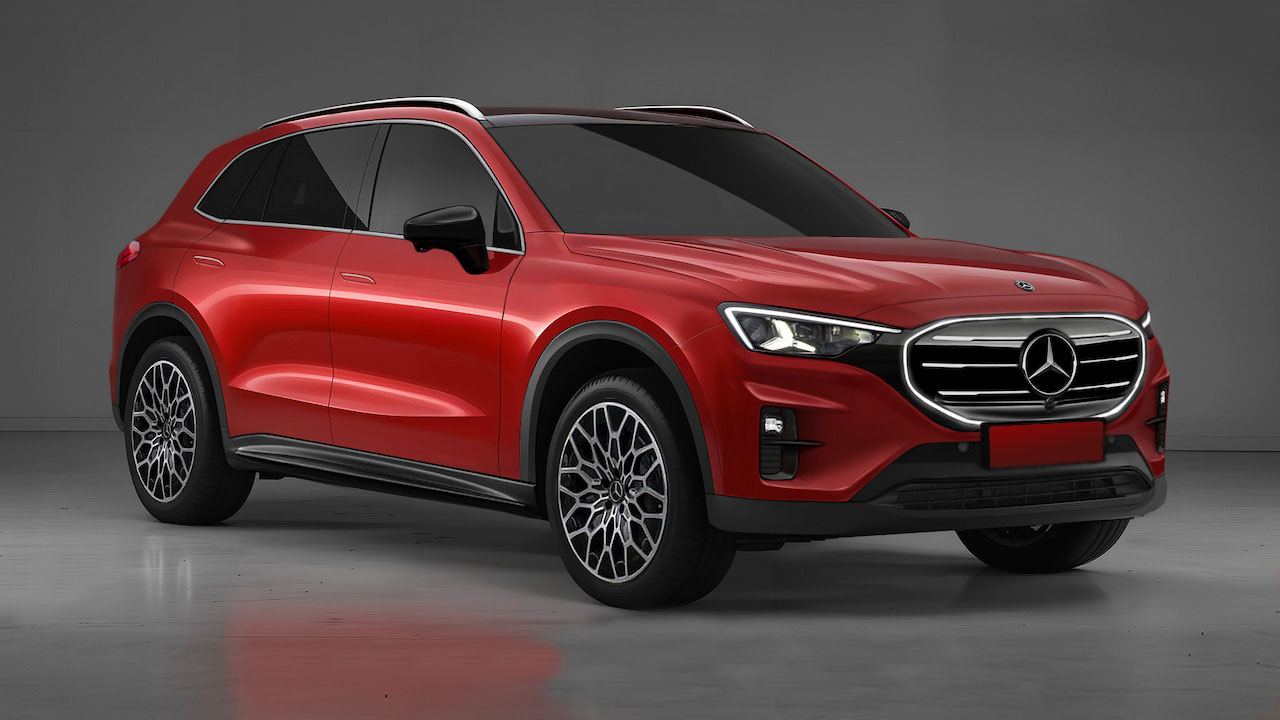
Gone are the glowing blue accents and light bars that screamed “electric concept.” The GLC EV wears its electric identity with subtle confidence. The sealed “Progressive Grille” gives it a cleaner face, while the full-width LED light band ties together sleek aerodynamics and sharp styling. Aerodynamic 20-inch wheels, optimized to cut drag, complement the SUV’s 4.7-meter frame. It’s less spaceship, more grand tourer—perfect for drivers who want quiet progress without shouting about it. In person, the GLC EV’s stance feels mature and muscular, with proportions echoing the combustion GLC but refined for electric efficiency.
Performance, Range, and Charging
Under the skin, the GLC EV packs serious numbers. The entry GLC 400e 4MATIC EV offers 268 horsepower through its rear-wheel-drive setup, while the all-wheel-drive GLC 500 4MATIC EV ups the ante with 402 horsepower and a 0–100 km/h (0–62 mph) sprint in 4.6 seconds. The 82 kWh usable NCM battery supports 200 kW DC fast charging, adding up to 250 miles (400 km) in about 25 minutes—quick enough for a coffee break. The 320-mile WLTP range translates to roughly 275 miles EPA, a solid middle ground between the Tesla Model Y and BMW iX3. Efficiency tweaks, like thermal preconditioning and an active grille shutter, help maximize range in both city and highway driving.
Interior and Technology: MBUX Superscreen Takes Over
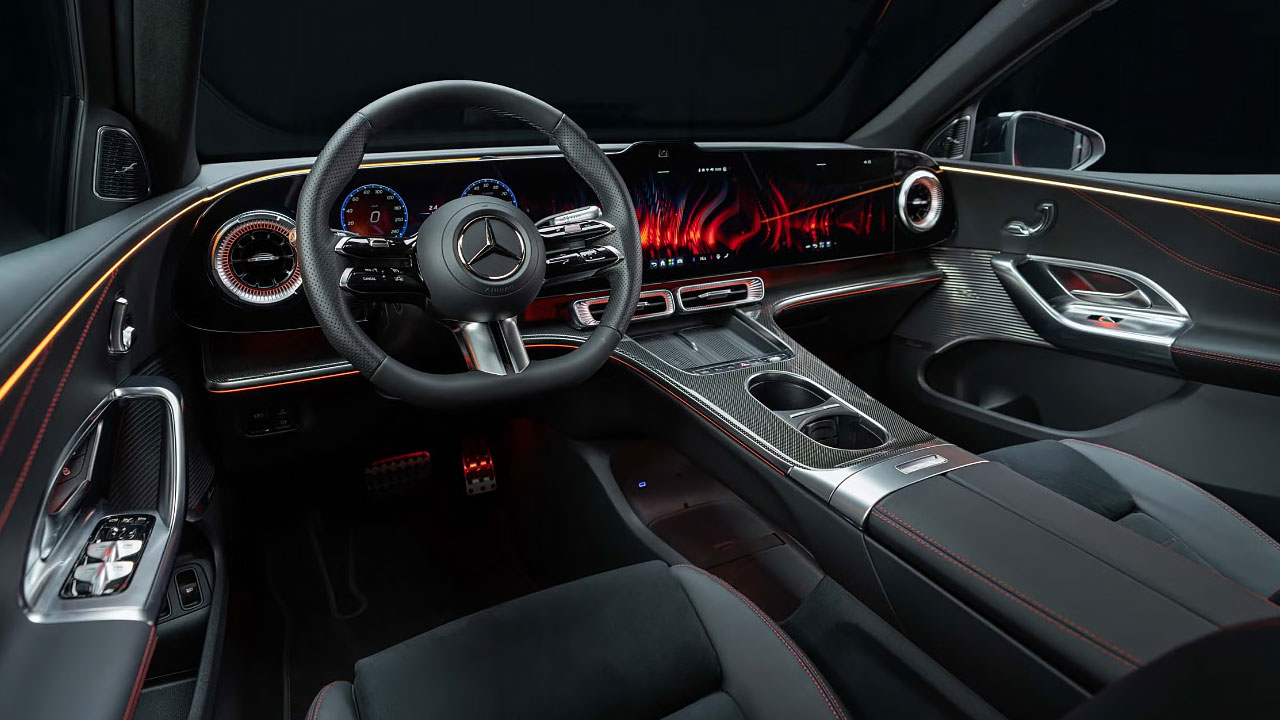
Inside, the GLC EV feels more like a tech lounge than a traditional SUV. Dominating the dash is a 56-inch MBUX Hyperscreen powered by the brand-new MB.OS operating system. The interface responds to natural voice commands, predicting navigation routes and charging stops based on your schedule. It’s AI-driven, but not intrusive—more like a helpful co-pilot. Standard features include vegan SensaTex upholstery that mimics leather beautifully, a Burmester 3D surround system with 15 speakers, and ambient lighting that shifts with drive mode. The rear-axle steering, a rarity in this segment, tightens the turning circle to about 10.5 meters, making parking in tight city spots effortless. It’s equal parts luxury, logic, and cutting-edge comfort.
Level 3 Autonomy and Advanced Safety
Mercedes didn’t just electrify the GLC—it future-proofed it. Every unit rolls off the line with pre-installed Level 3 hardware, including dual LiDAR sensors, 12 high-definition cameras, and GPS antennas capable of centimeter-level precision. While the hands-free “Drive Pilot” won’t activate until software approval in 2026, buyers are already getting the necessary components built in. That means when the feature goes live—starting on Germany’s autobahns and eventually the U.S. and China—the GLC EV will be among the first SUVs in its class ready for true conditional autonomy. Safety remains central, with Mercedes’ Predictive Collision Avoidance and 360° radar shielding keeping passengers cocooned in technology-driven protection.
Pricing, Trims, and Global Availability
Mercedes aims to make the GLC EV the default luxury SUV, not a niche product. The GLC 400e 4MATIC starts at €72,500 (around $79,000 USD), while the GLC 500 4MATIC commands €84,900 (roughly $92,500 USD). For those wanting more flash, the Edition 1 package tacks on AMG styling, 21-inch wheels, and exclusive color trims for an extra €8,000 (~$8,700 USD). Deliveries begin in Europe in Q2 2026, followed by the U.S. and China later that summer. Interest is already sky-high—Mercedes logged over 110,000 pre-orders in six minutes after the configurator went live. Clearly, customers are ready for an electric SUV that doesn’t wear its eco credentials like a novelty badge.
The End of EQ: A New Era for Mercedes Electric Vehicles
The GLC EV’s debut quietly ends the “EQ” era, signaling that electric power no longer needs its own sub-brand. Mercedes is phasing the EQ tag out across its lineup, beginning with this model and continuing with the upcoming C-Class EV in 2027 and the “Little G” baby G-Wagen EV in 2028. It’s a bold statement: electric is no longer the future—it’s the present. In Mercedes’ view, buyers no longer need to be convinced that electric luxury can be desirable; they just expect it. The GLC EV becomes a rolling declaration that the brand’s electric strategy is now mainstream, seamless, and unapologetically premium.
Conclusion
Pros and Cons of the Mercedes-Benz GLC EV
- Pros: Mature, refined design; long 320-mile range; fast 200 kW charging; MBUX Hyperscreen with MB.OS; Level 3 autonomy-ready hardware; premium interior finishes; quieter ride than combustion GLC.
- Cons: Premium pricing; delayed autonomy activation; limited charging infrastructure in some regions; heavier than its gas counterpart.
Final Thoughts
The Mercedes-Benz GLC EV represents the brand’s most confident stride into full electrification yet. It doesn’t shout “look at me, I’m electric”—it simply behaves like a modern Mercedes should: fast, refined, and intelligent. For drivers seeking luxury without compromise and technology that anticipates the future, the GLC EV might just be the sweet spot between elegance and electrified performance.
Related Video