

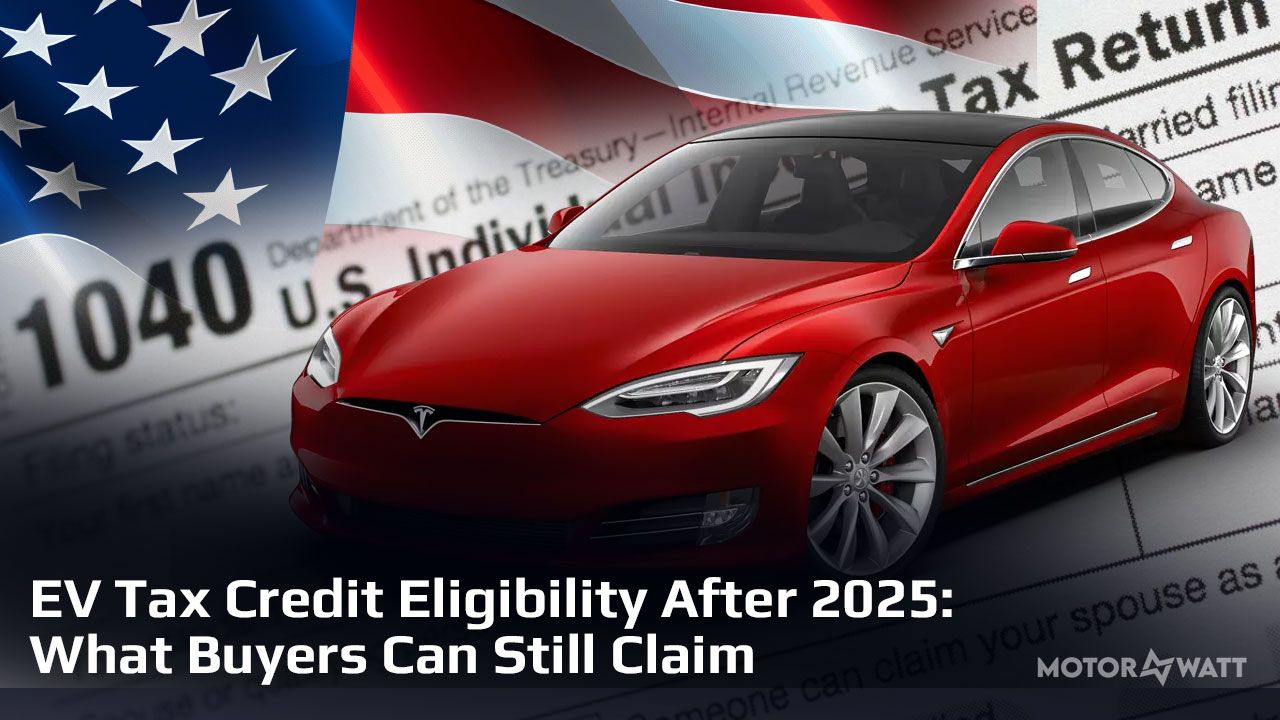
EV tax credit eligibility changed after September 30, 2025, when federal credits of $7,500 for new EVs and $4,000 for used ones expired. Only buyers with binding contracts before that date qualify. However, state rebates, dealer discounts, and charger installation credits remain available.
EV tax credit eligibility used to mean a simple $7,500 discount on a new electric car, but after September 30, 2025, that perk vanished for good—unless you locked in a deal before the cutoff. Buyers with a binding contract signed by that date may still claim the credit under transitional rules. Everyone else must now rely on other incentives, like state rebates, manufacturer promotions, or local utility credits. It’s not as straightforward as before, but there’s still money on the table if you know where to look.
Federal EV Tax Credit Expired—What Changed?
When the federal EV tax credit expired on September 30, 2025, it ended a long-standing incentive that made electric vehicles more affordable nationwide. The federal program provided up to $7,500 for new EVs and $4,000 for used models. Now, unless you had a binding purchase agreement before that date, the federal government no longer offers direct EV purchase incentives. Automakers like Tesla and Rivian had already reached phase-out limits, but now the rule applies across the board, leaving buyers to seek out savings elsewhere.
Automaker and Dealer Incentives Fill the Gap
Manufacturers wasted no time stepping in with their own promotions to keep EV sales humming. BMW, Hyundai, and Stellantis rolled out cash rebates that mimic—or even exceed—the old $7,500 federal benefit. Some brands went further, permanently cutting sticker prices to stay competitive. Dealers have joined the effort with low-interest financing programs and lease specials that effectively reduce monthly payments. For anyone eyeing a 2025 model-year electric SUV or sedan, these offers can make the difference between waiting and buying now.
State and Local EV Rebates Still Offer Big Savings
Even without a federal credit, many state programs remain alive and well. Colorado continues to lead with rebates between $6,000 and $9,000 for low- to moderate-income buyers, while Oregon offers up to $7,500 and Connecticut up to $5,000. California’s Clean Vehicle Rebate Project also supports used EV buyers, ensuring affordable access to electric mobility for lower-income households. Washington and New York maintain similar efforts. However, don’t forget that some states impose annual EV registration fees—ranging from $100 to $200—to compensate for lost fuel tax revenue.
Utility and Charging Infrastructure Incentives
Your local power company might be the next best place to find savings. Many utilities offer rebates for home charger installation or even direct discounts on new EV purchases. The federal 30C Alternative Fuel Infrastructure Tax Credit remains active through June 30, 2026, covering 30% of the installation cost—up to $1,000—if your property sits within a low-income or non-urban census tract. Combined with state programs, that can knock hundreds off the cost of a home charging setup, further easing the transition to electric driving.
How to Find the Best EV Incentives in 2025 and Beyond
Finding current incentives requires a little detective work. Start with your dealership—most have details on manufacturer rebates or financing programs. Next, check your state’s environmental agency or the Department of Energy’s Alternative Fuels Data Center for regional EV programs. Don’t overlook your local utility provider, as many now promote EV adoption through cashback offers or discounted charging rates. With a bit of effort, stacking these incentives can rival or even beat the old federal tax credit in total savings.
Conclusion
Pros and Cons of EV Tax Credit Eligibility
- Pros:
- Manufacturer rebates and dealer discounts can offset the expired federal credit.
- State programs like Colorado’s and Oregon’s still offer substantial rebates.
- Federal charger installation credit continues through mid-2026.
- Low-interest financing and leasing deals remain widely available.
- Cons:
- Federal EV purchase credits officially ended after September 30, 2025.
- Eligibility rules vary by state and income level.
- Extra registration fees in several states raise annual ownership costs.
- Some rebates are only available for residents in specific census tracts.
Final Thoughts
Even with the federal credit gone, EV buyers still have plenty of options to save. Between dealer incentives, state-level rebates, and ongoing charger installation credits, there’s real value to be found for anyone looking to plug in. The key is timing, research, and knowing where those hidden discounts live. For many drivers, EV tax credit eligibility in 2025 simply means thinking beyond Washington and looking closer to home.